Family
phyllidiid nudibranchs
Phyllidiidae
- Species in the gallery
- 29
- Genera
- 4
Back to superfamily Phyllidioid dorid nudibranchsBack to sub-order Dorid nudibranchsBack to order NudibranchsBack to the gallery
Phyllidiidae
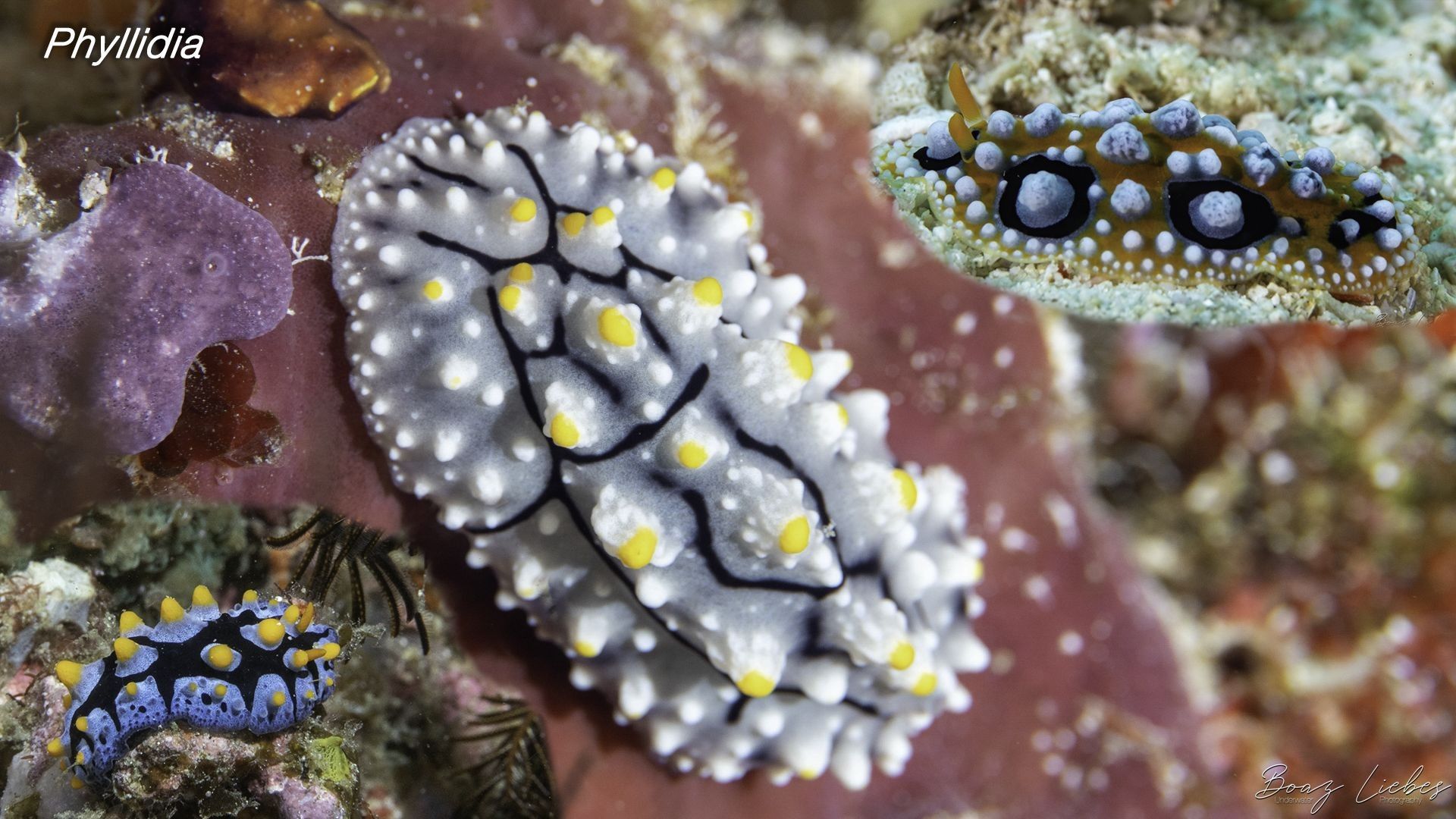
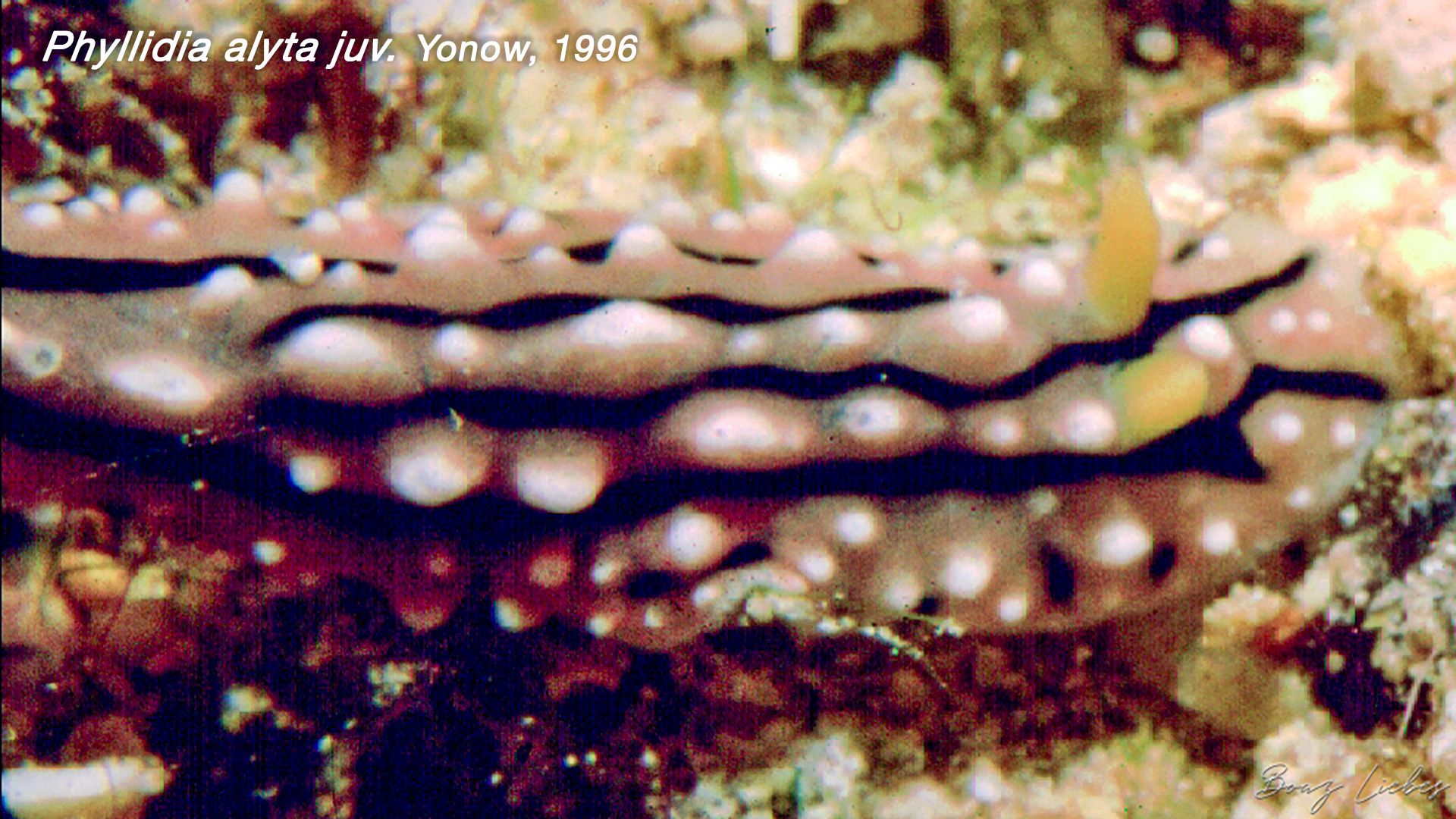
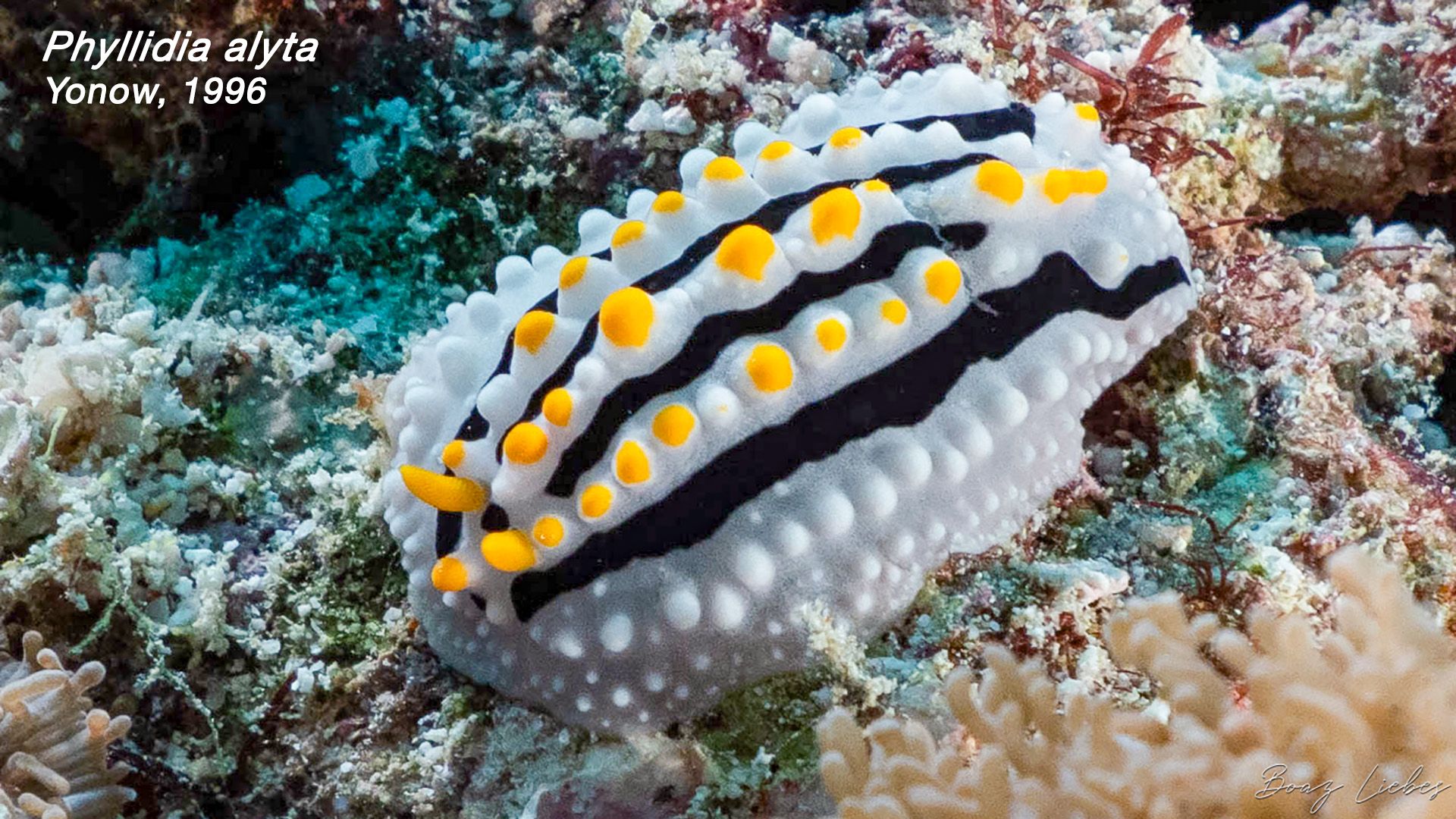
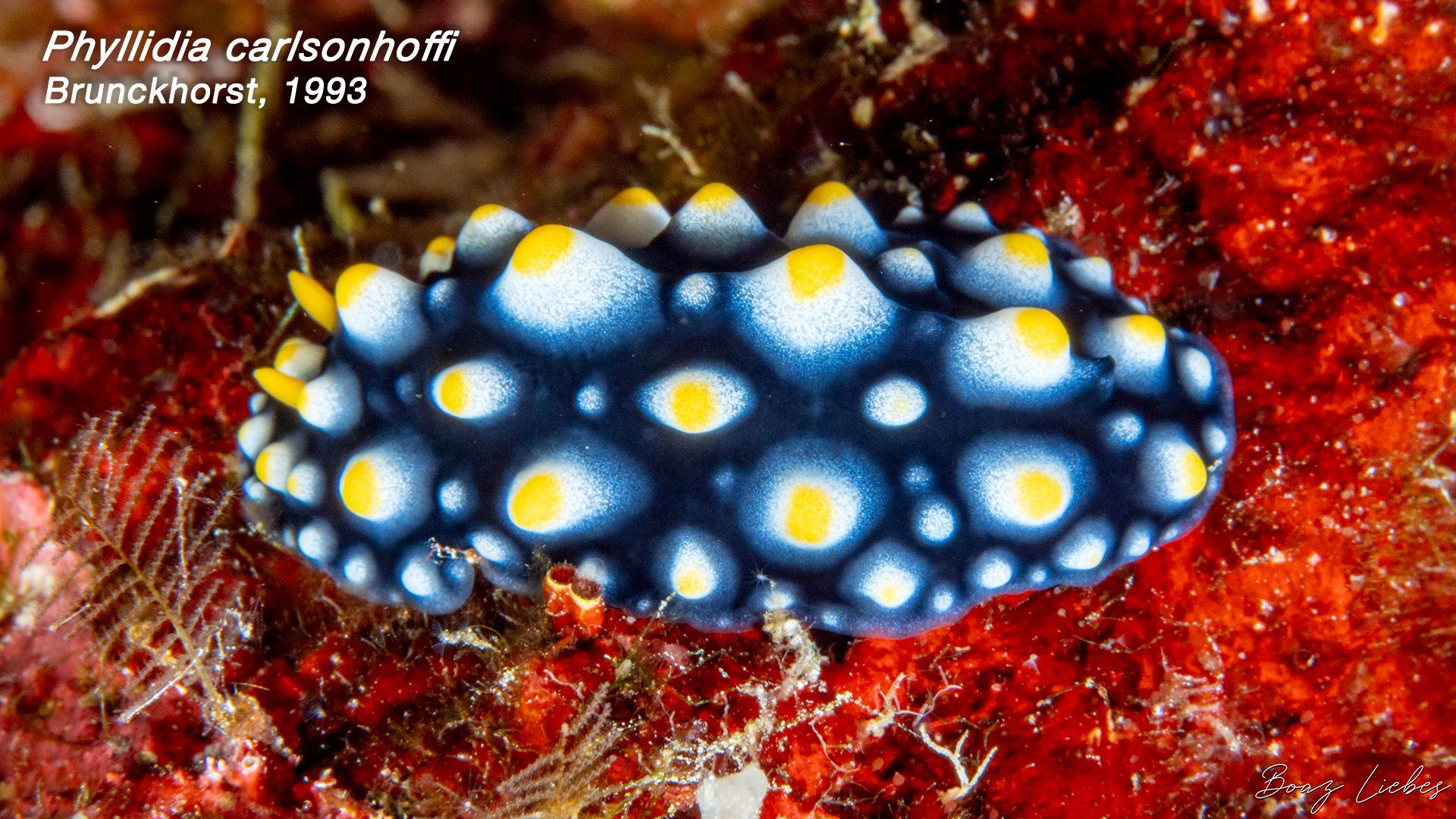
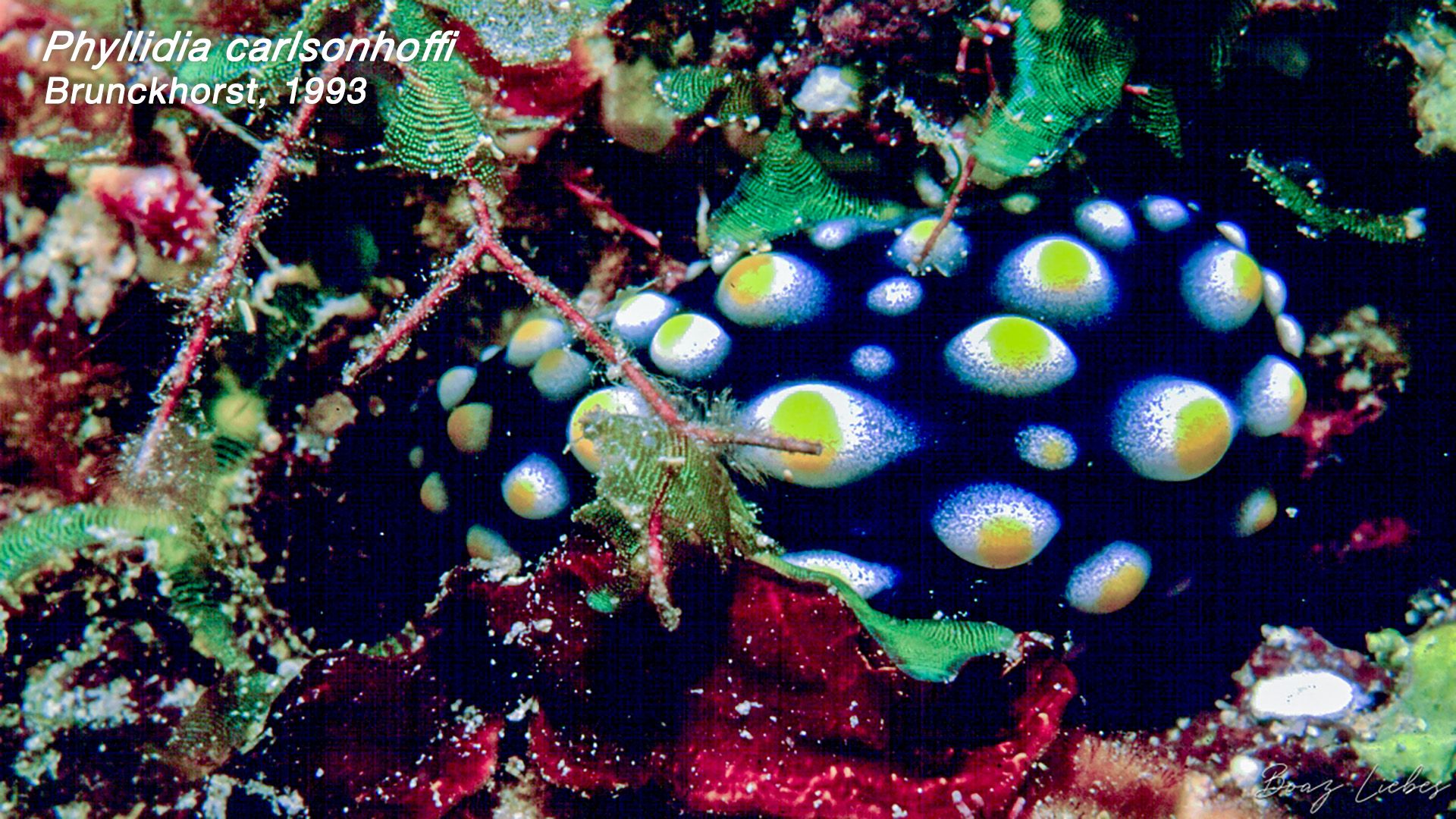
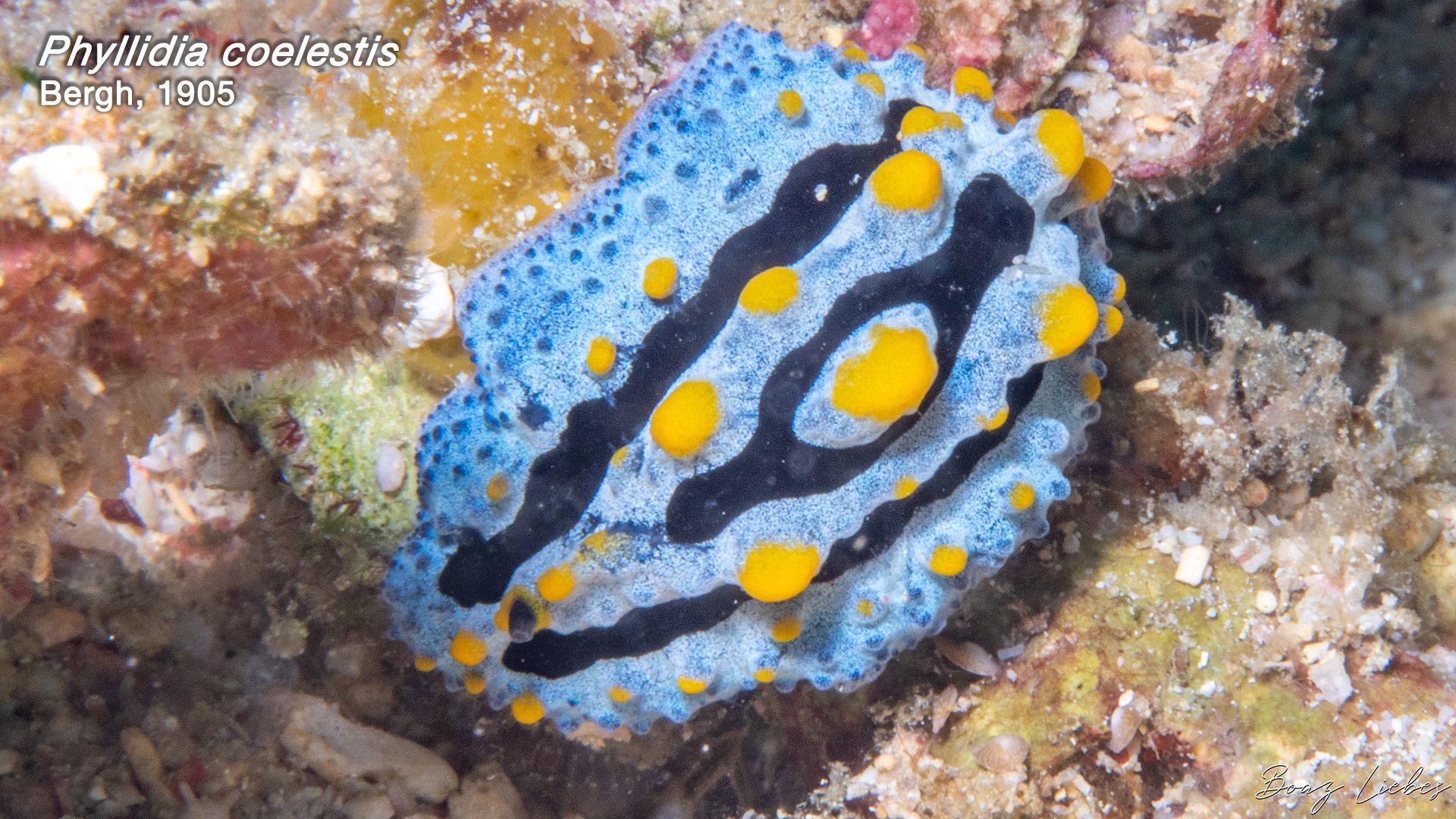
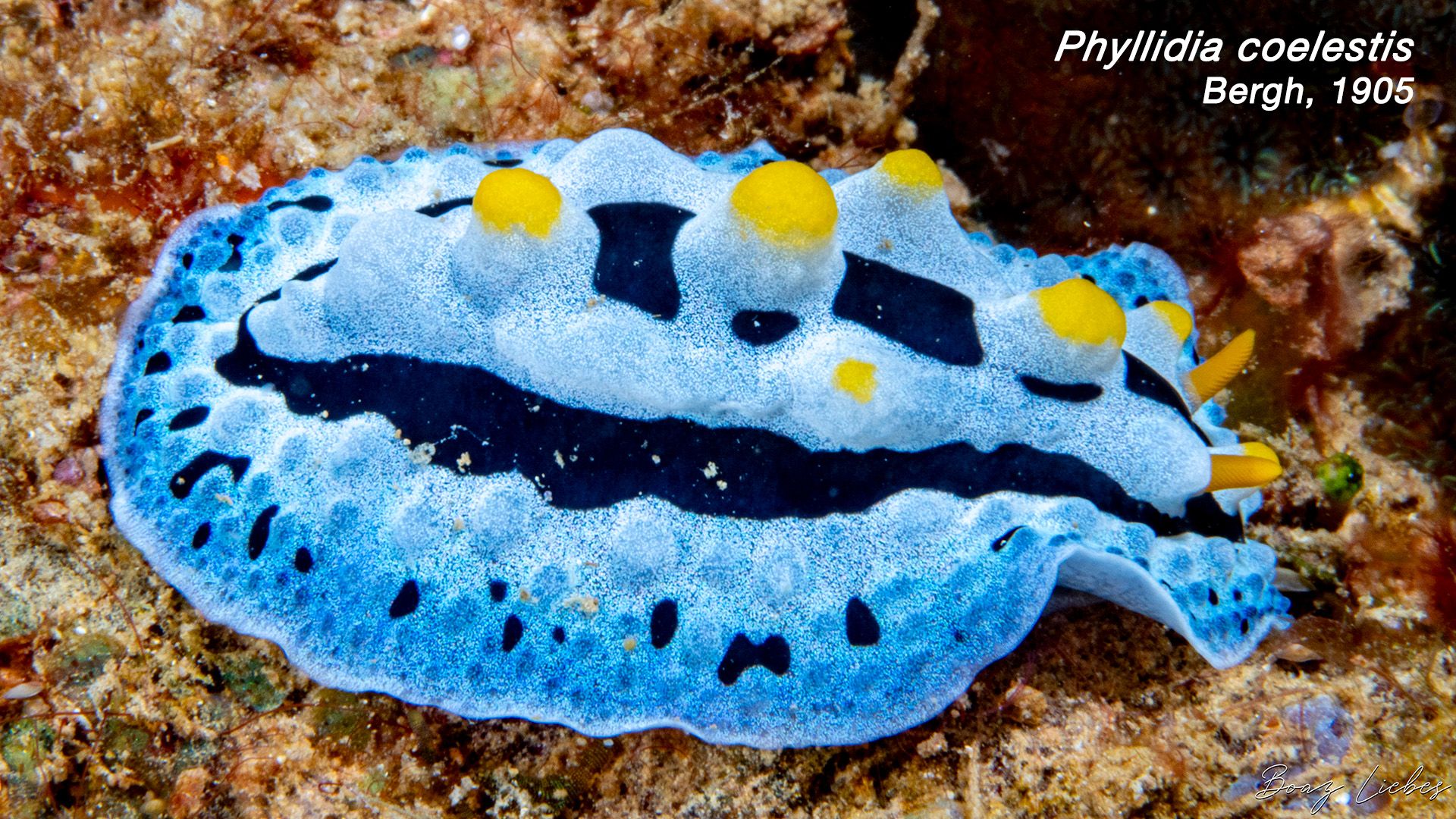
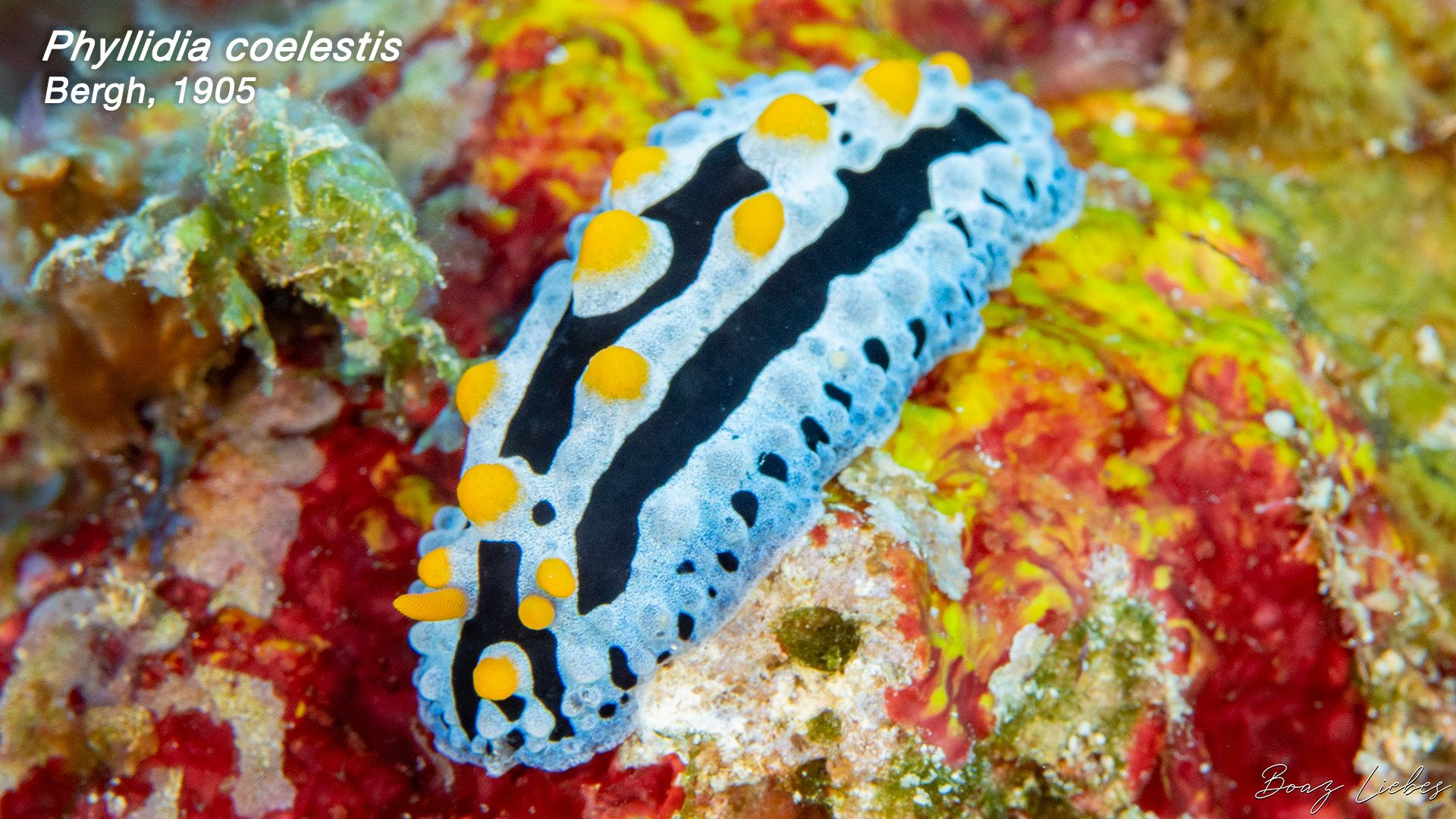
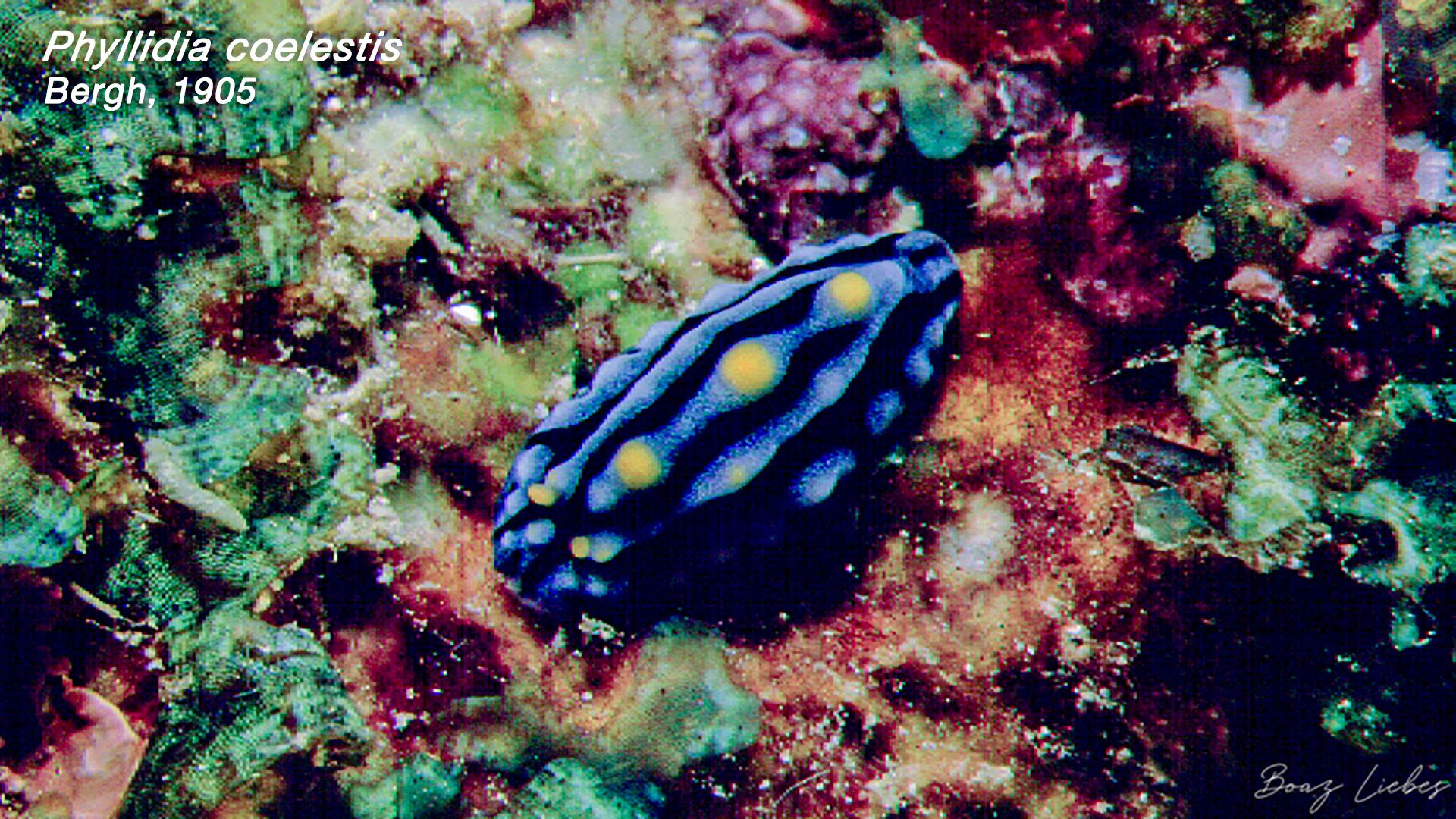
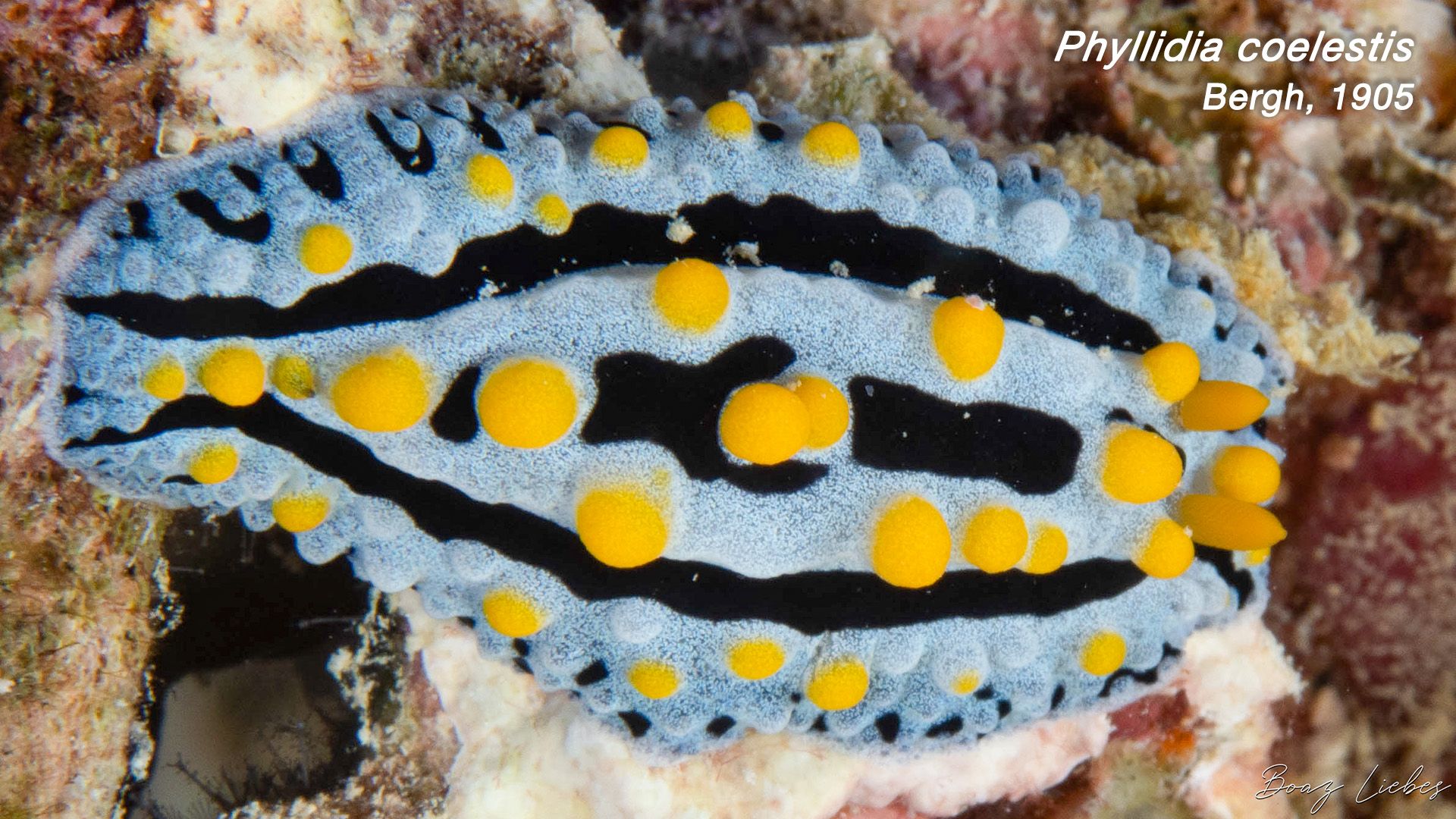
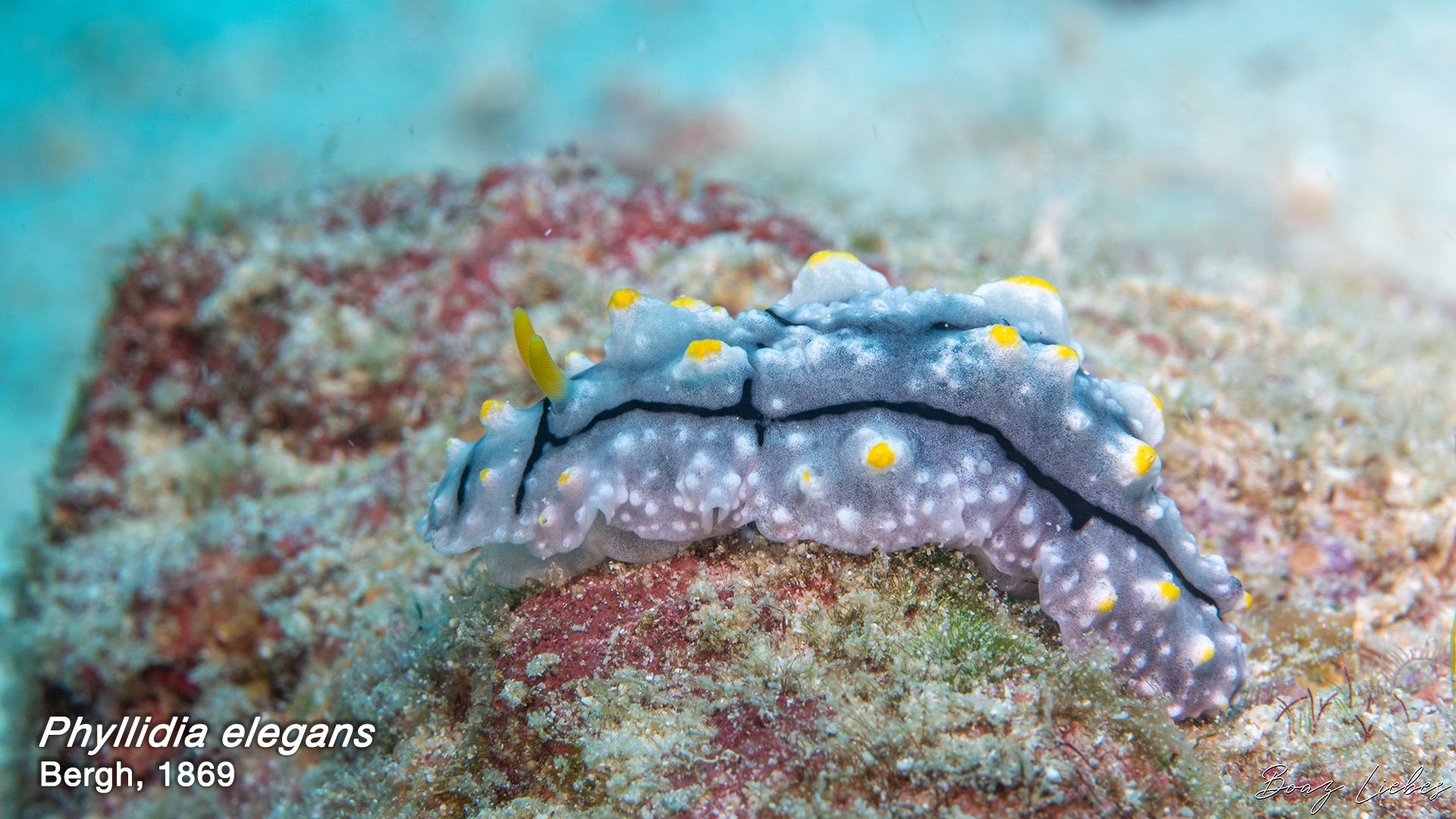
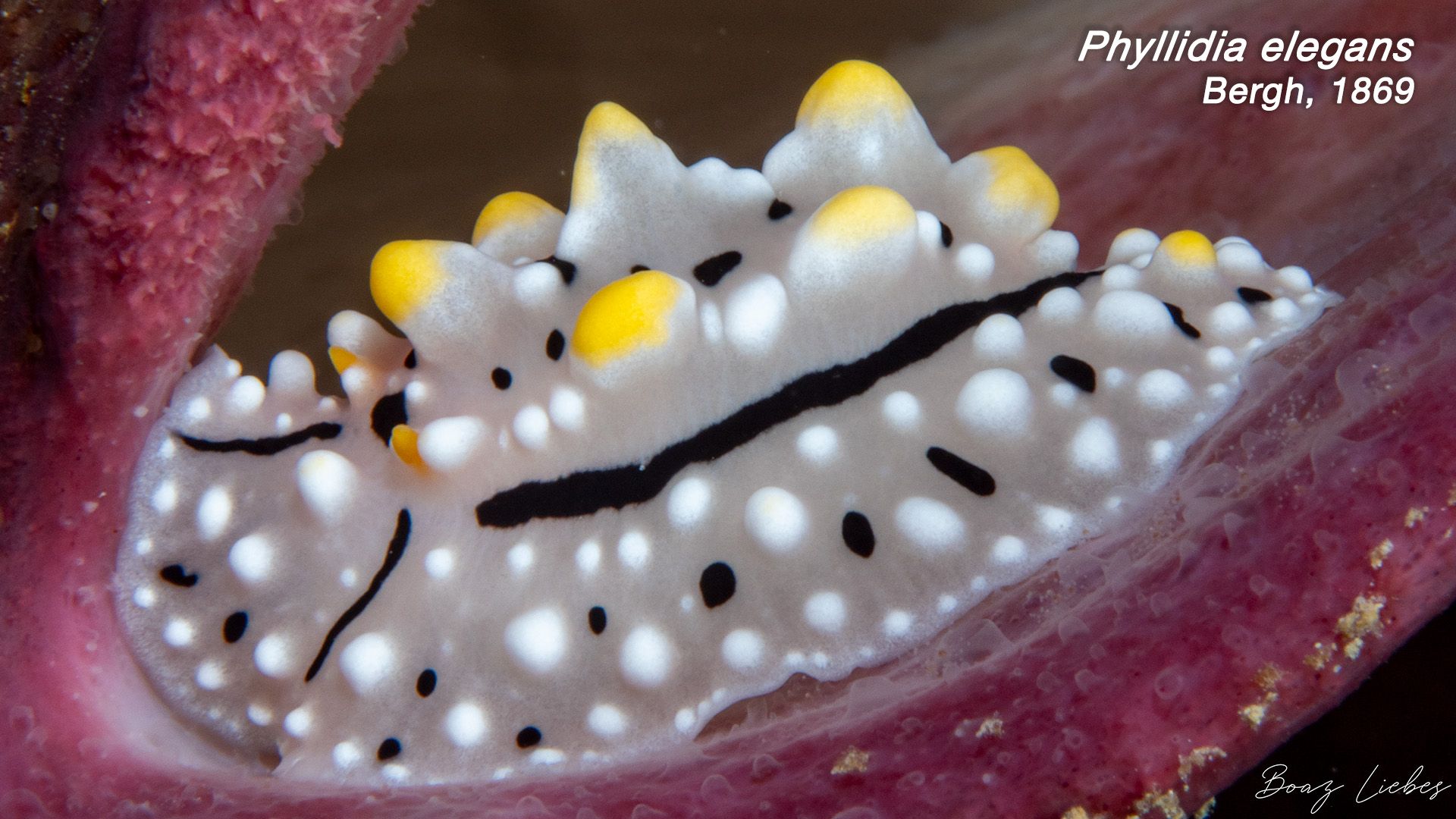
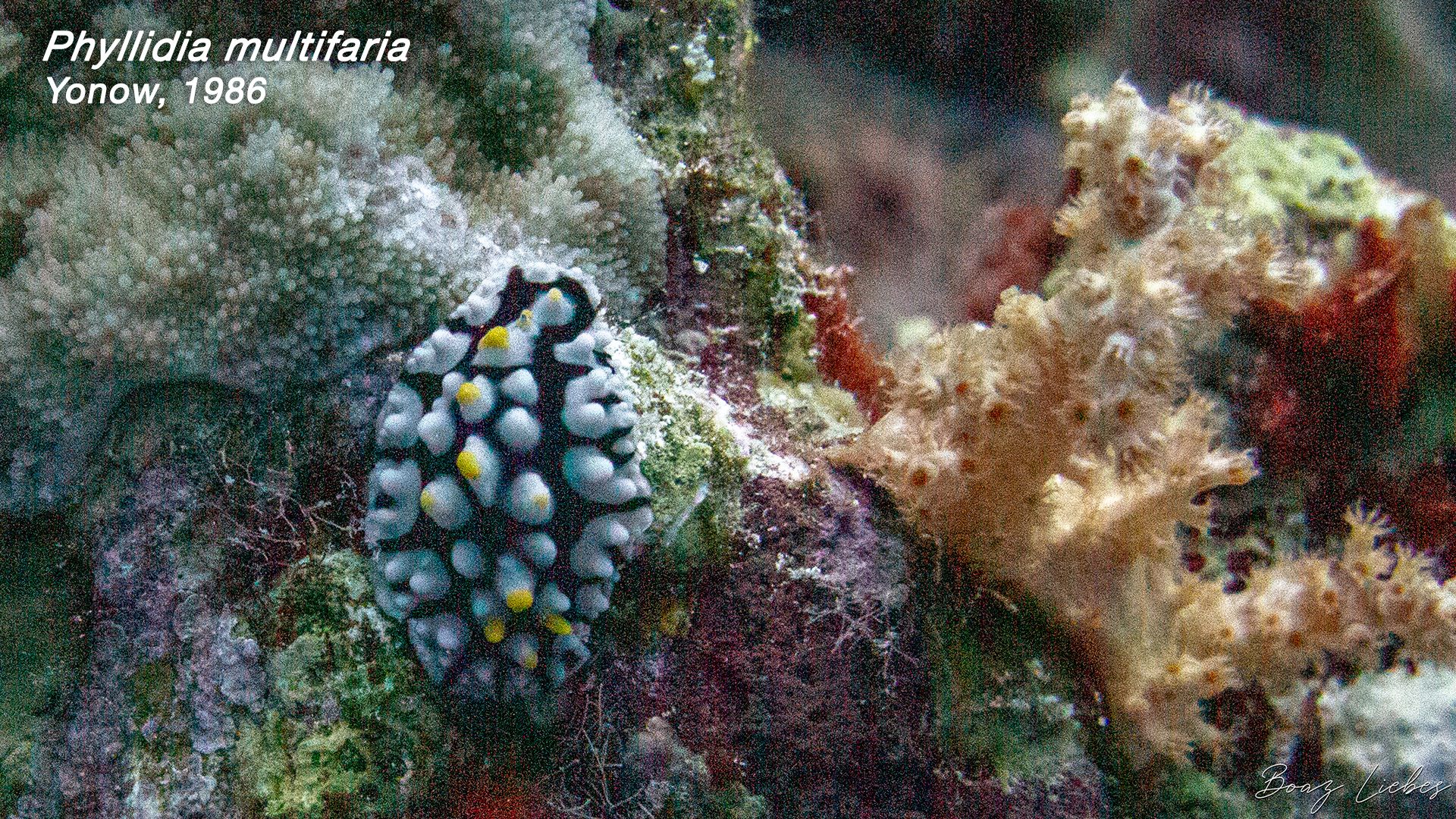
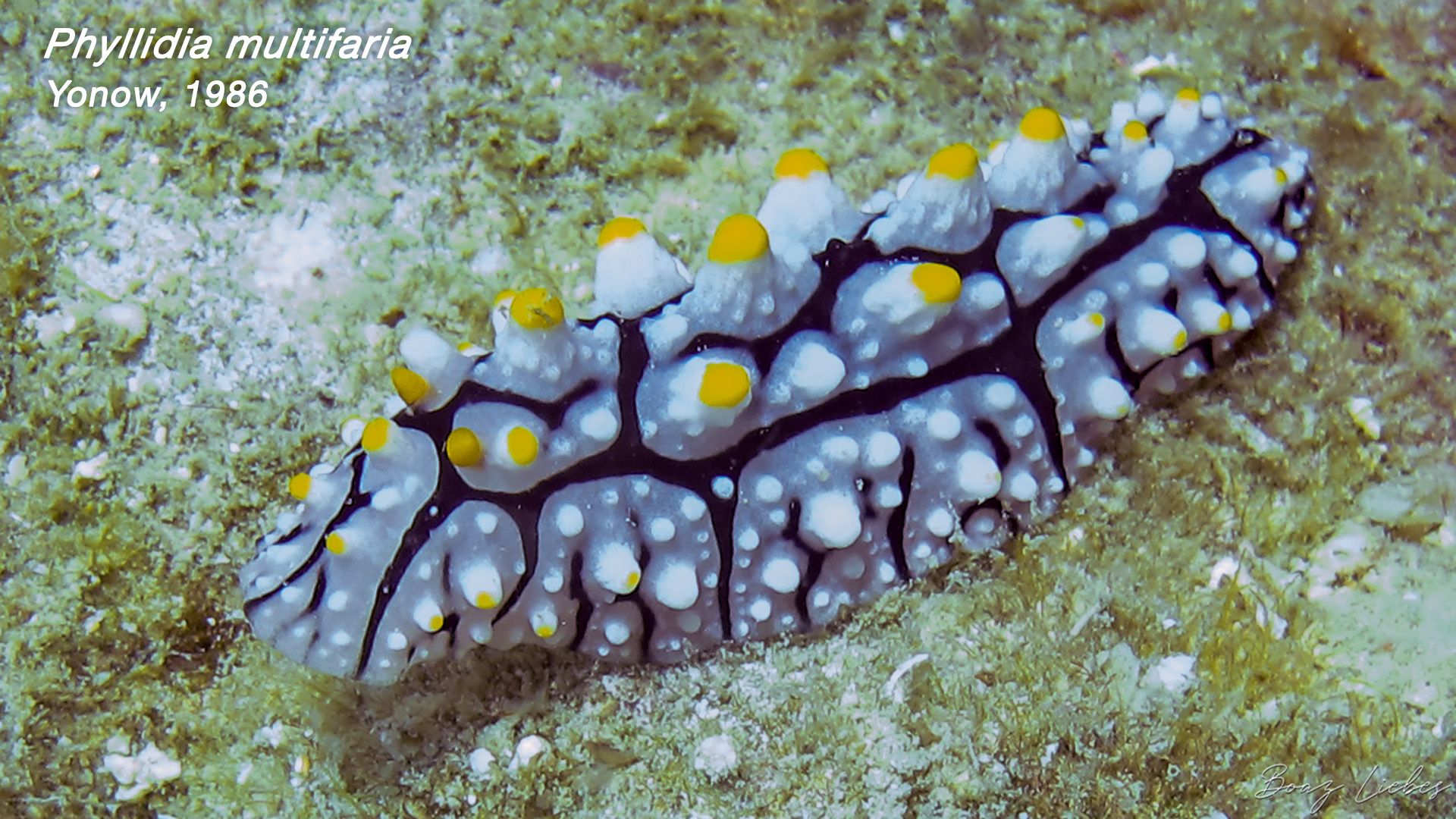
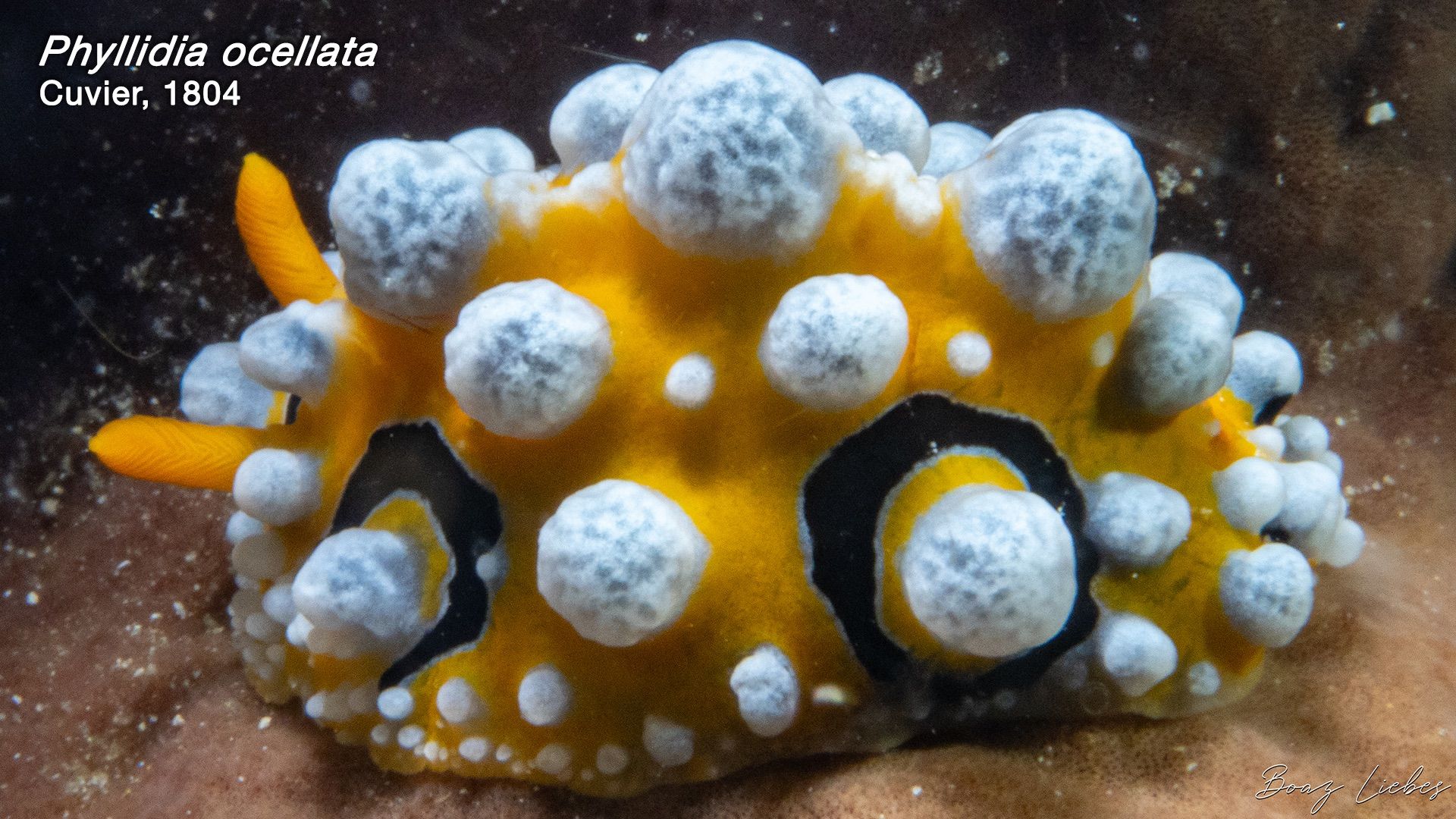
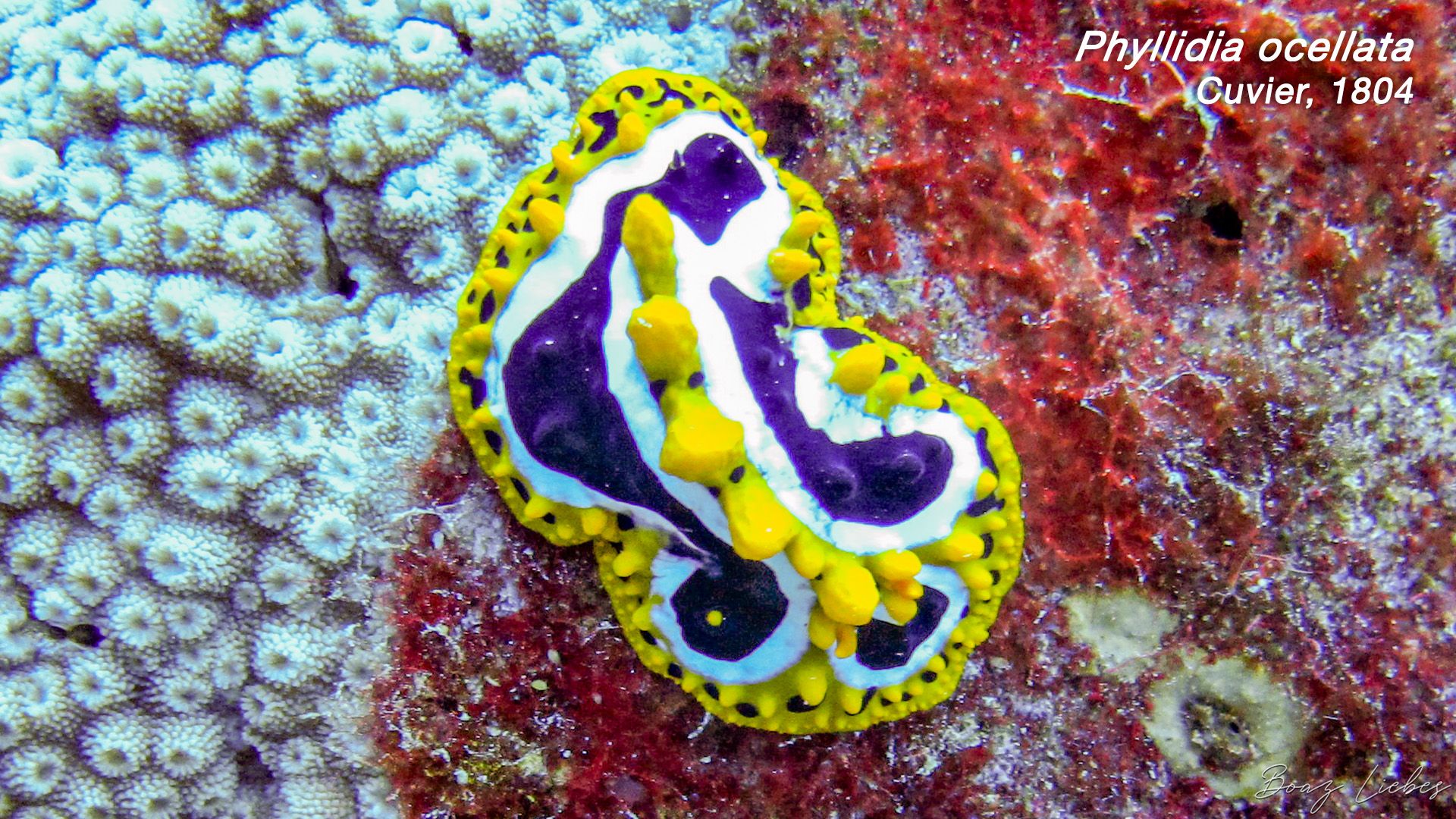
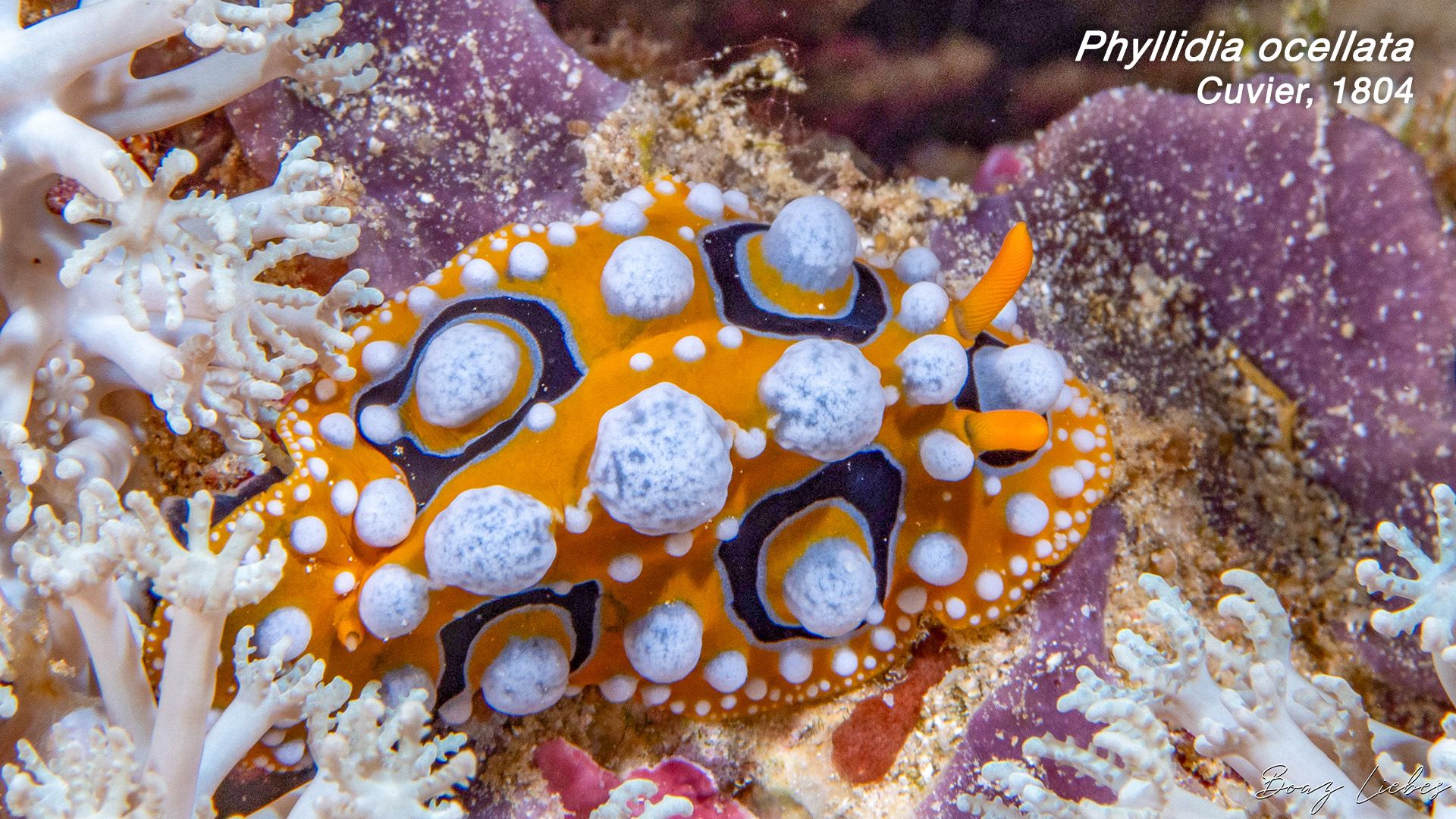
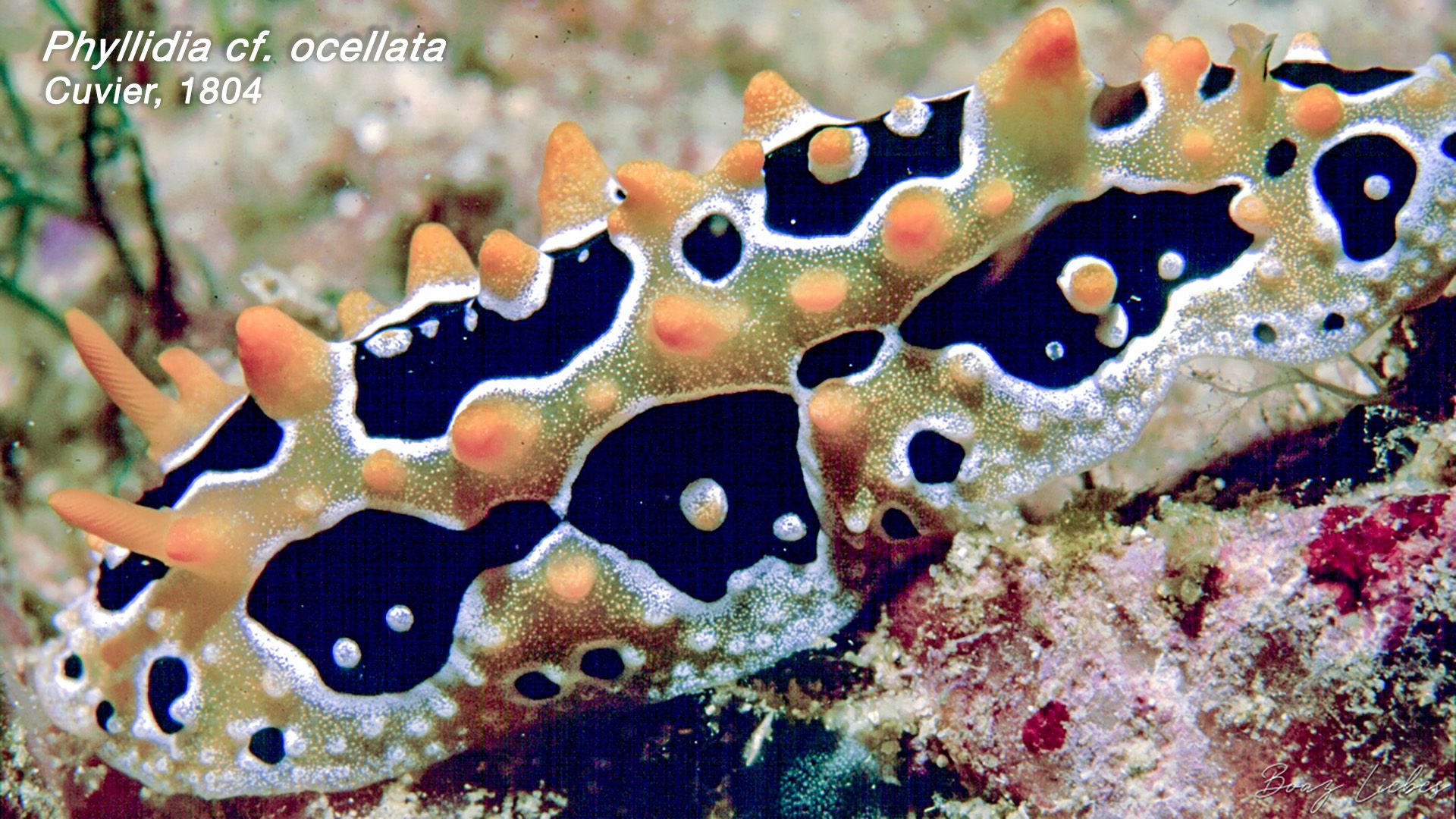
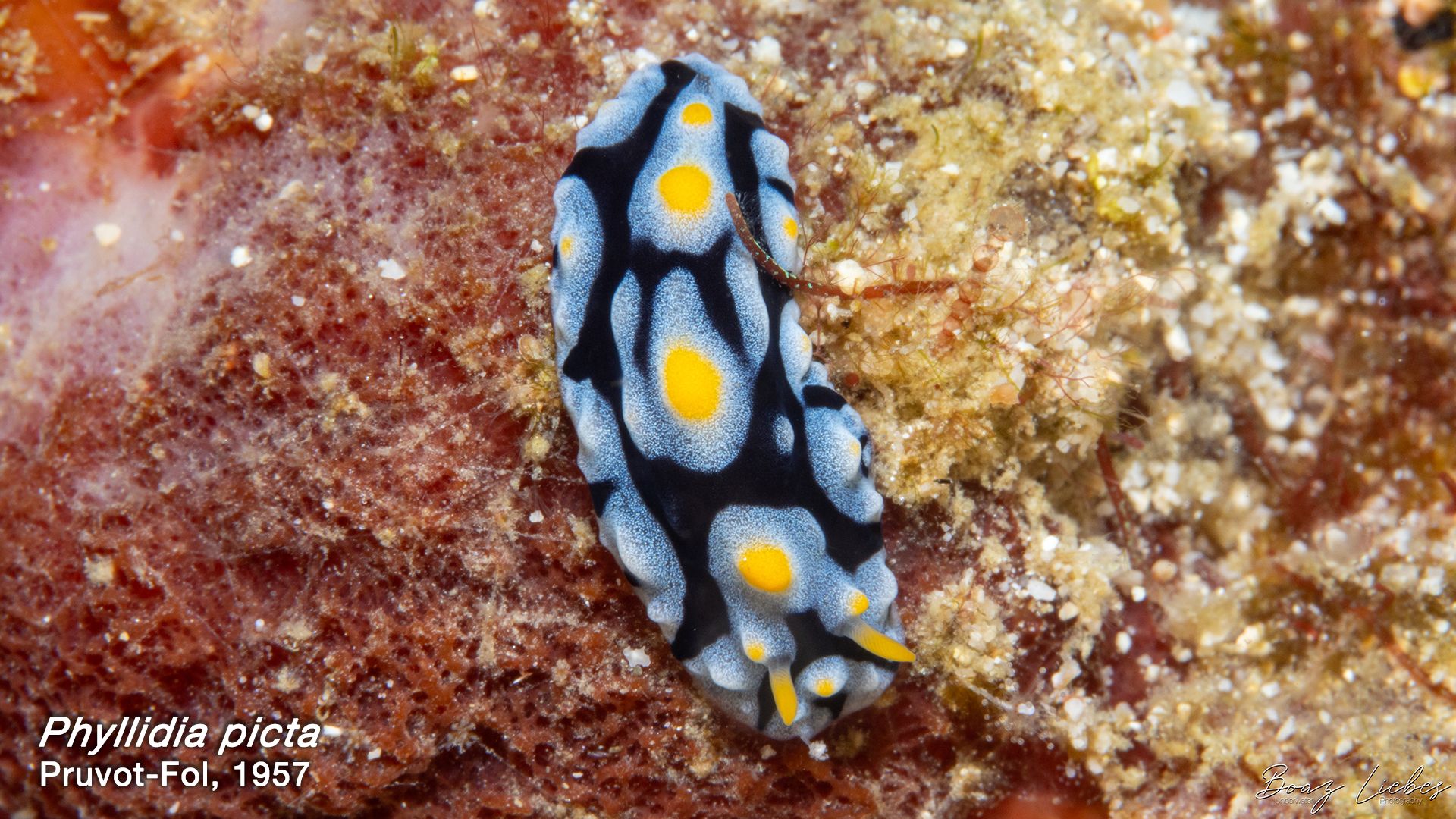
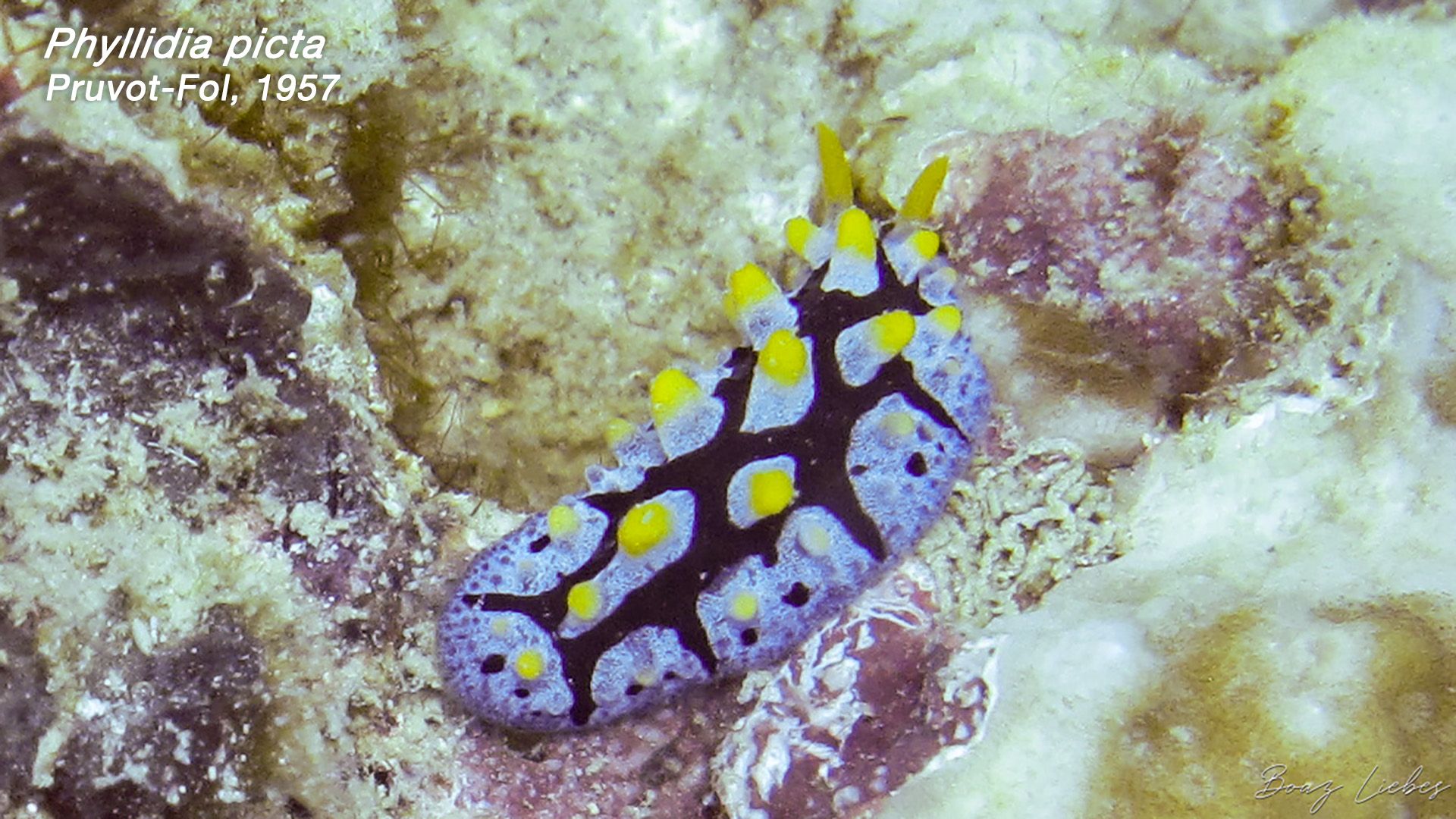
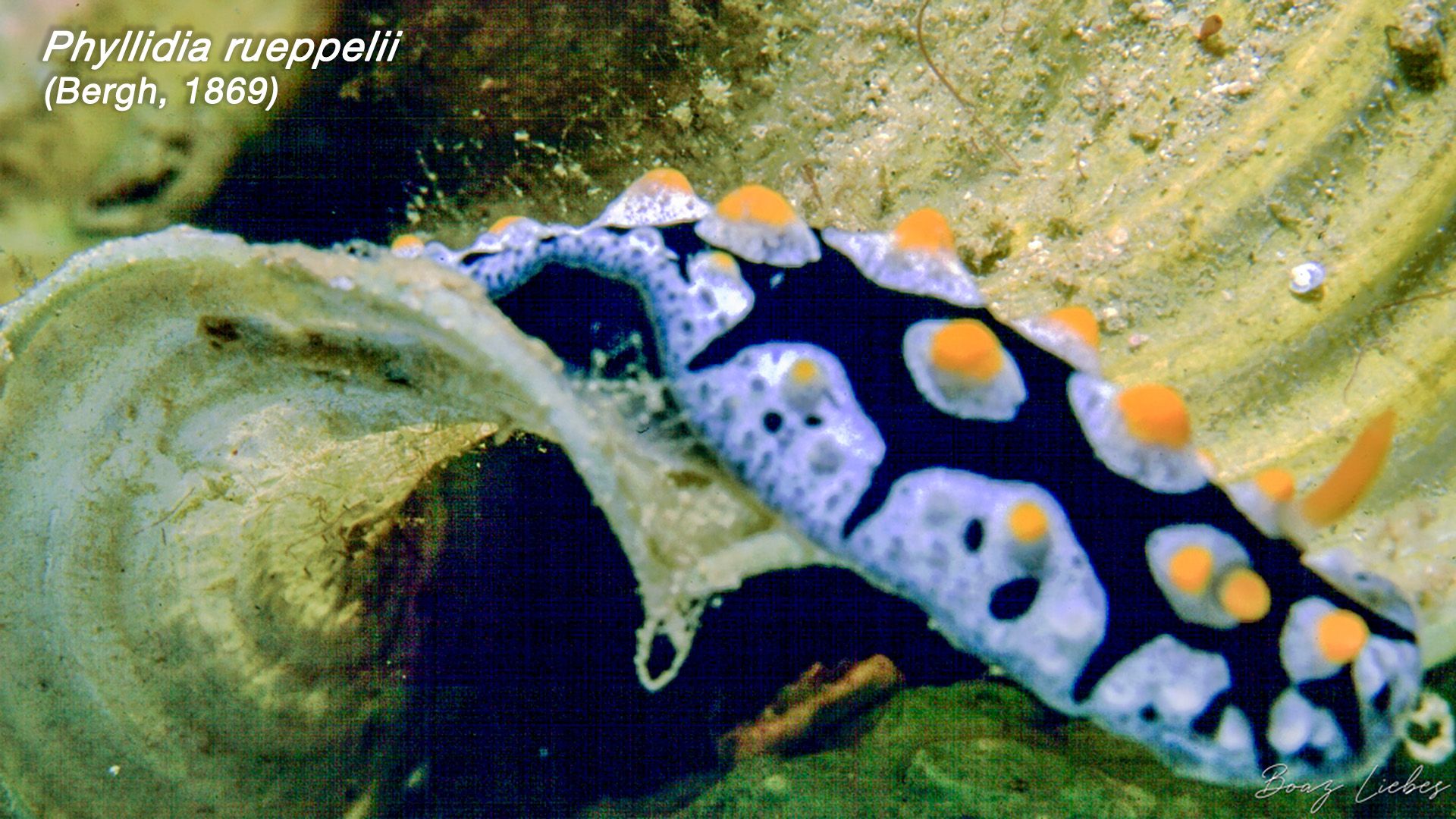
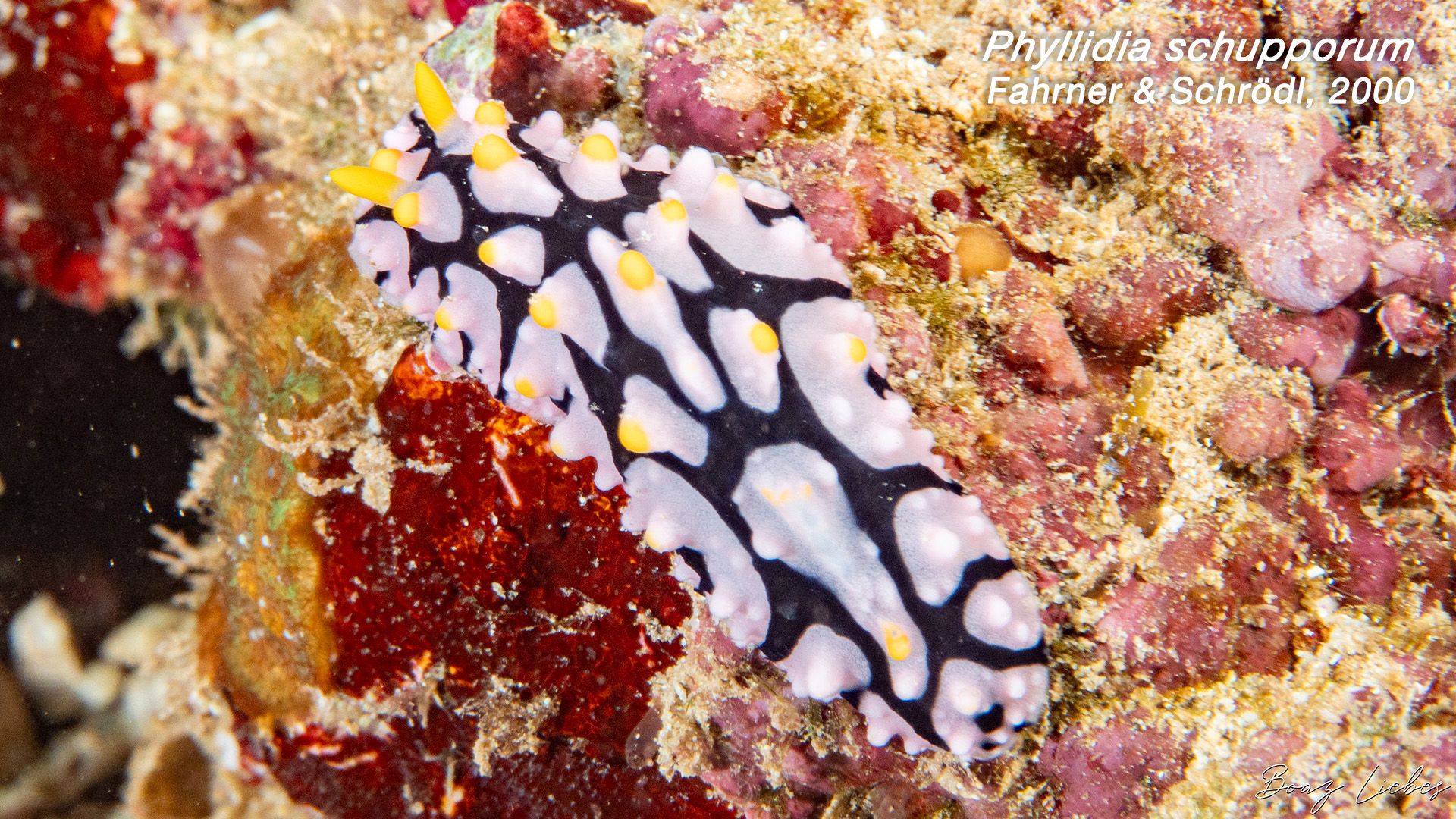
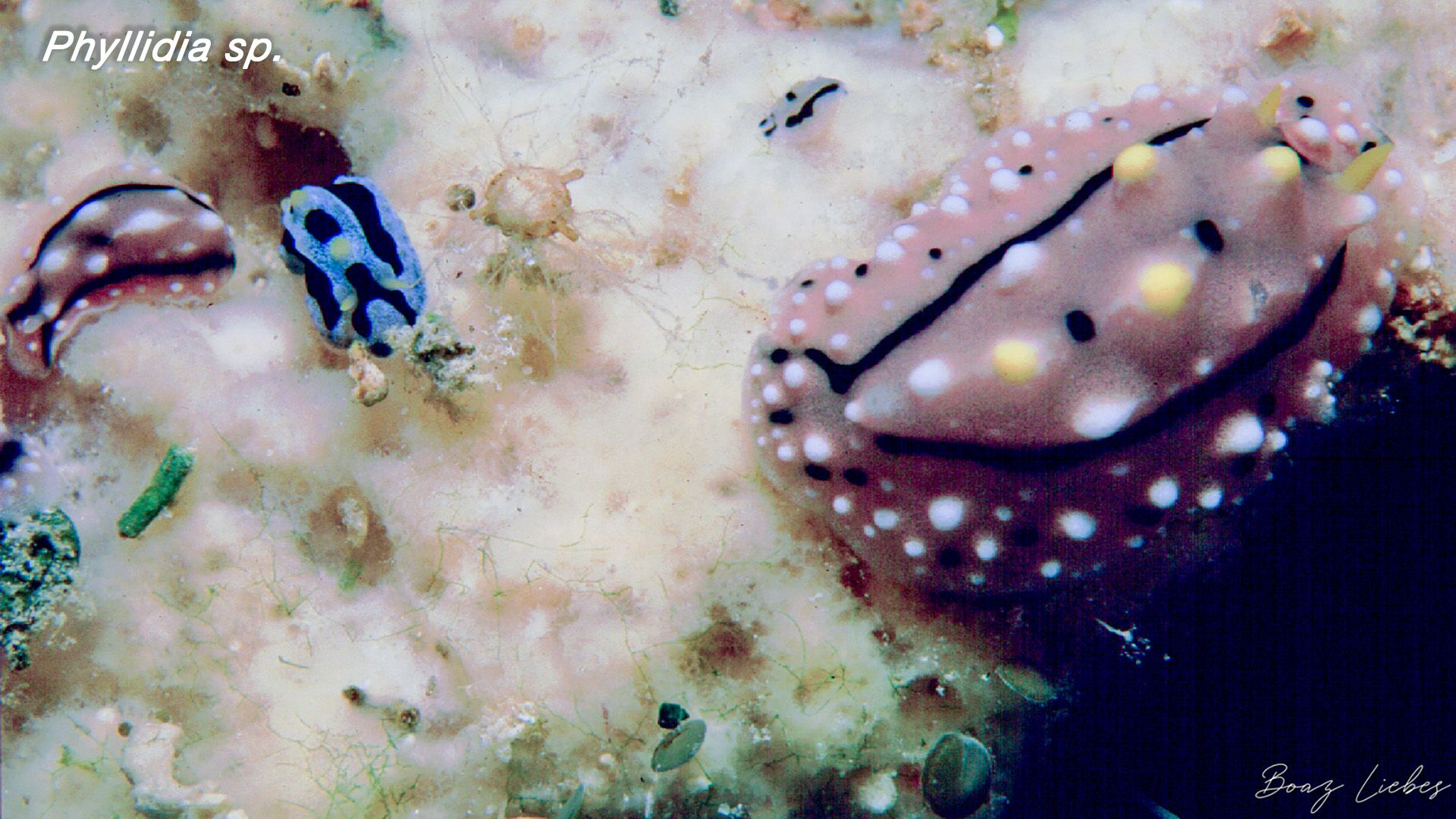
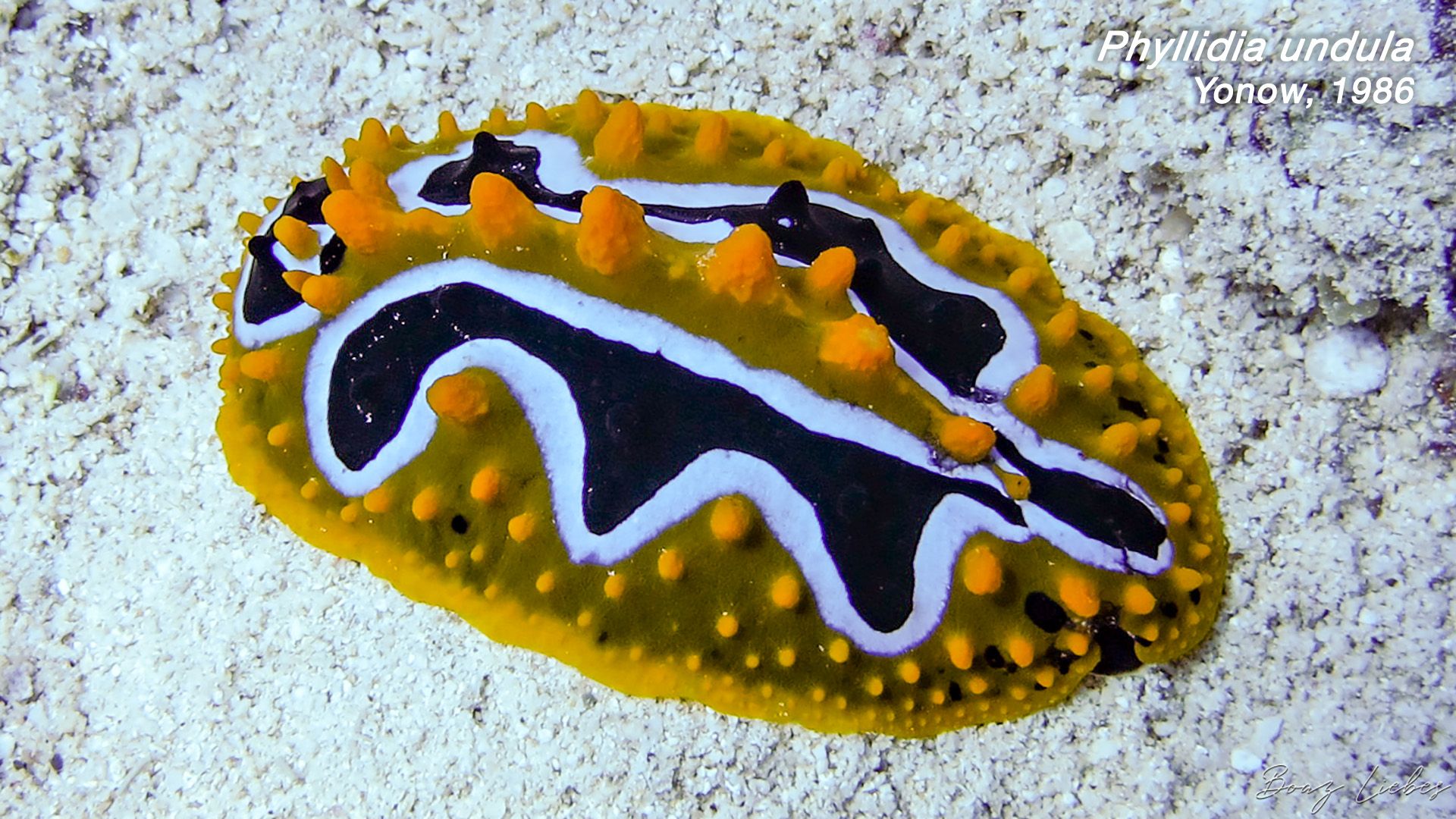
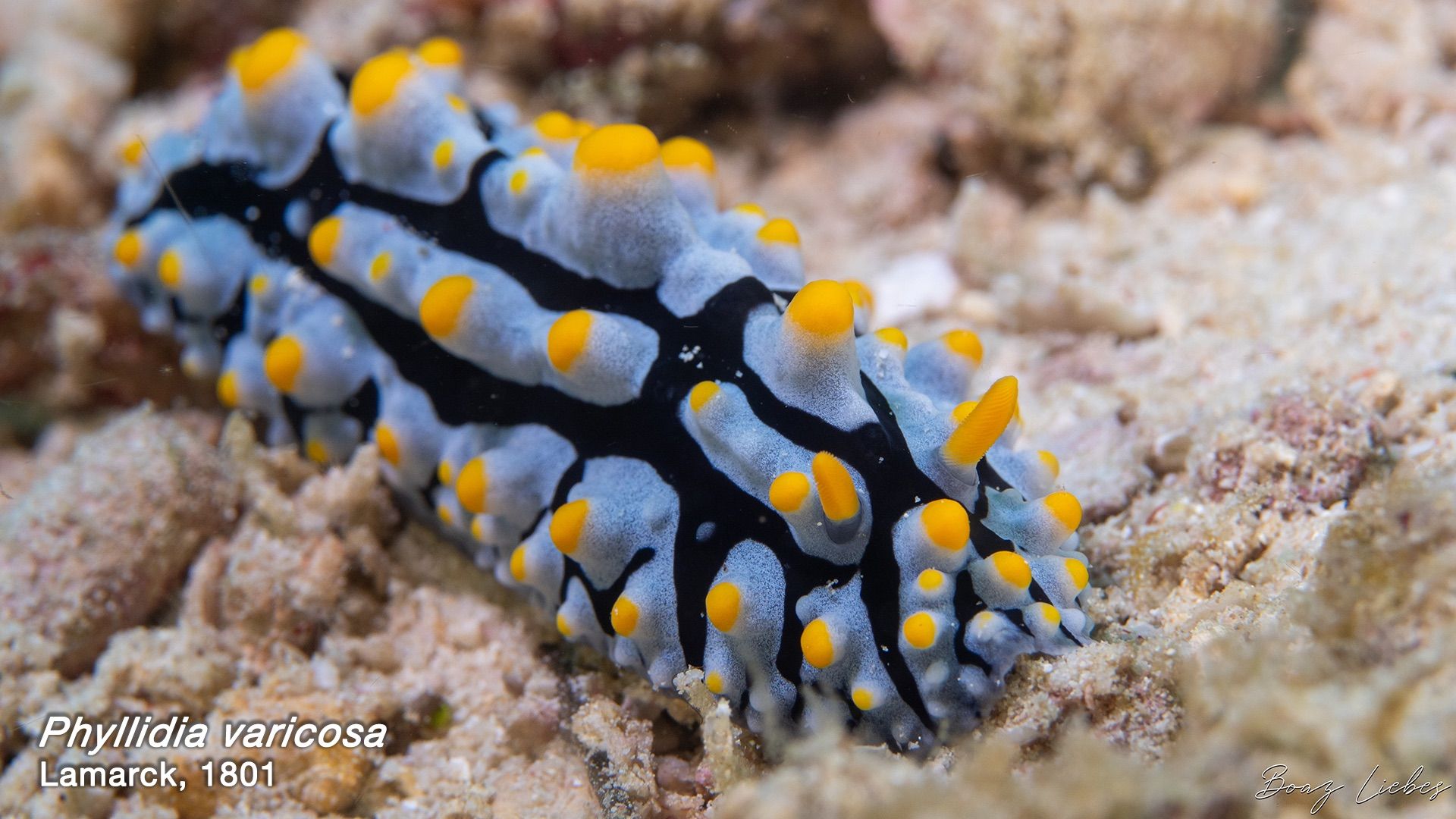
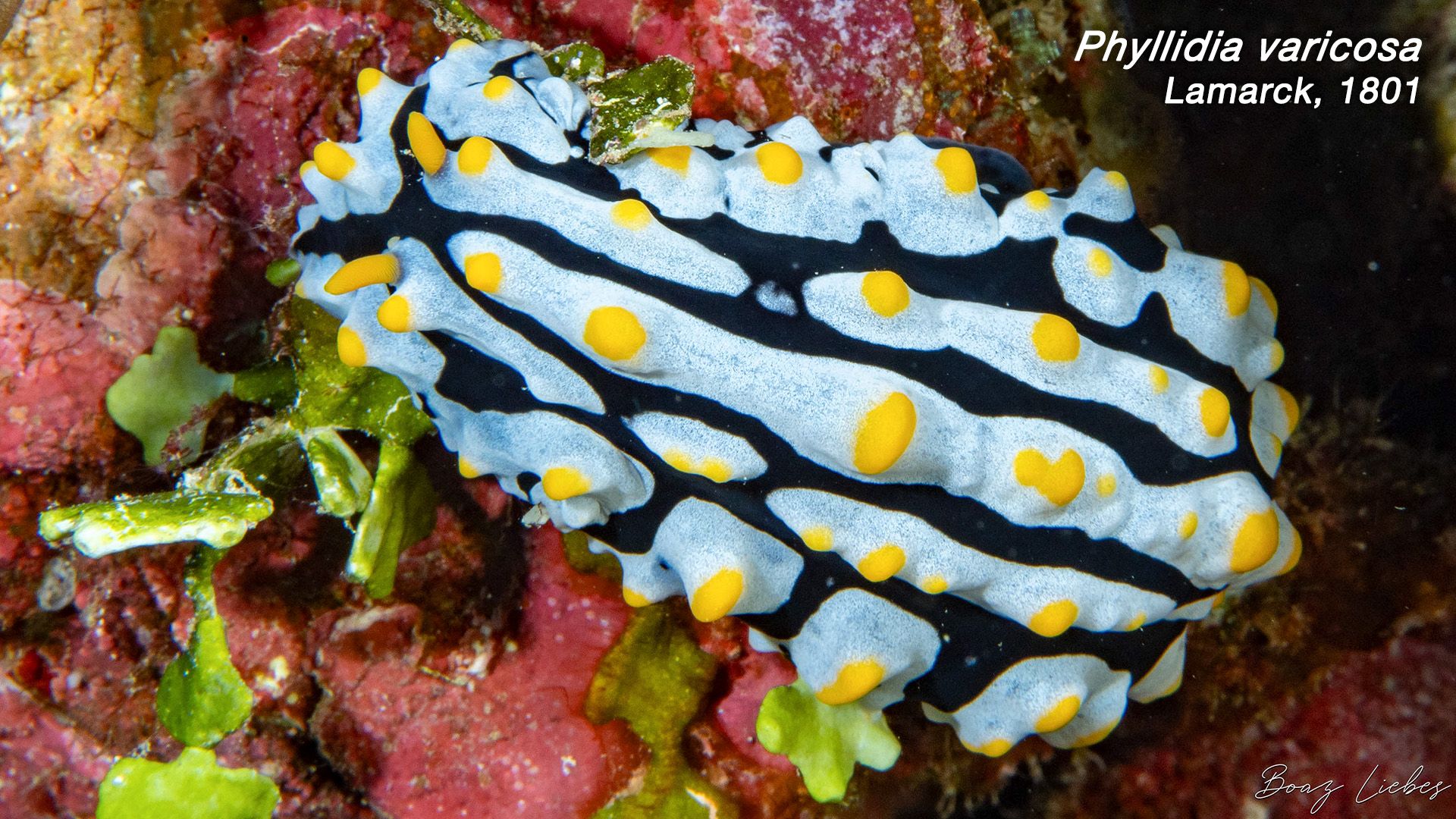
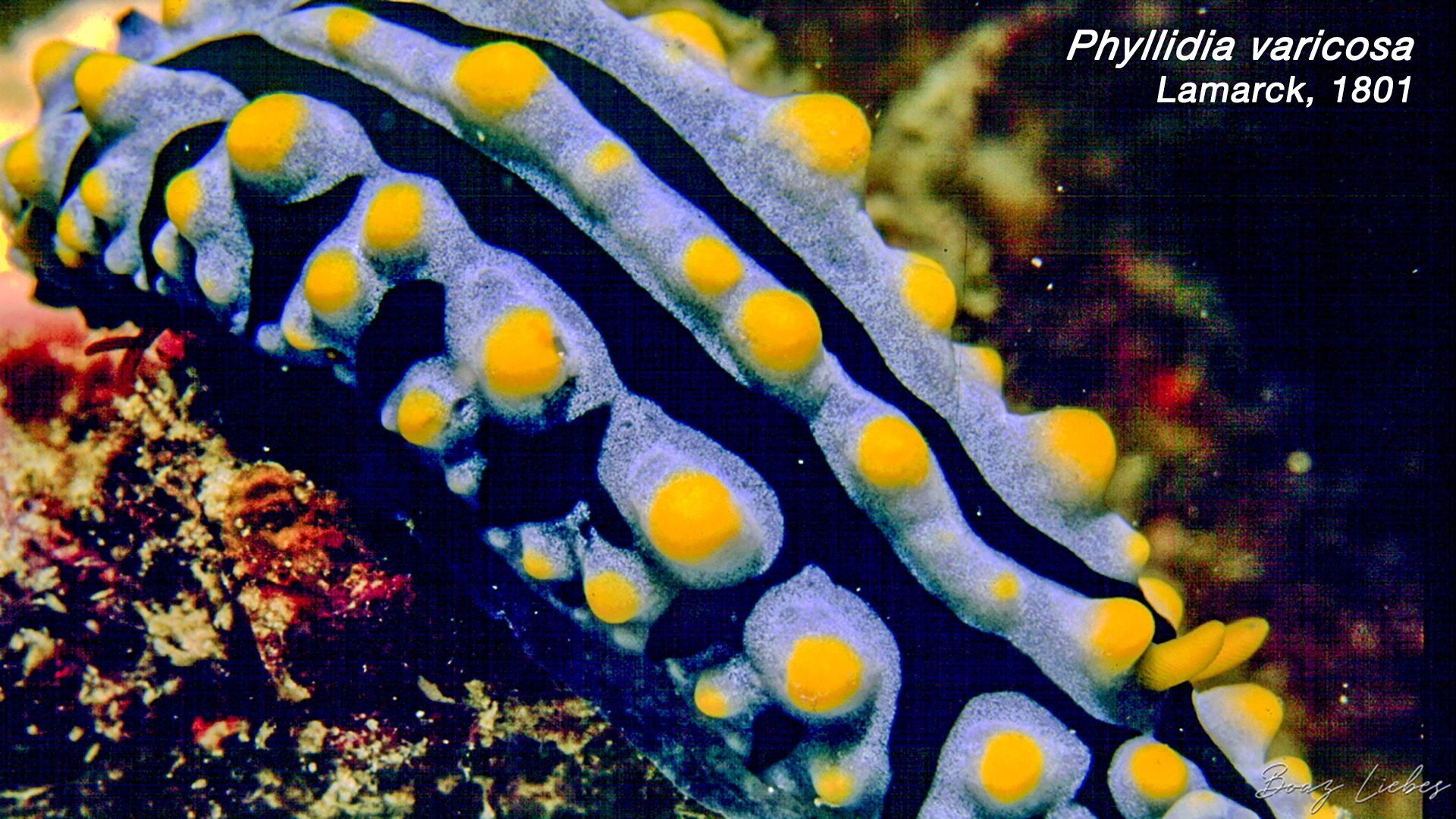
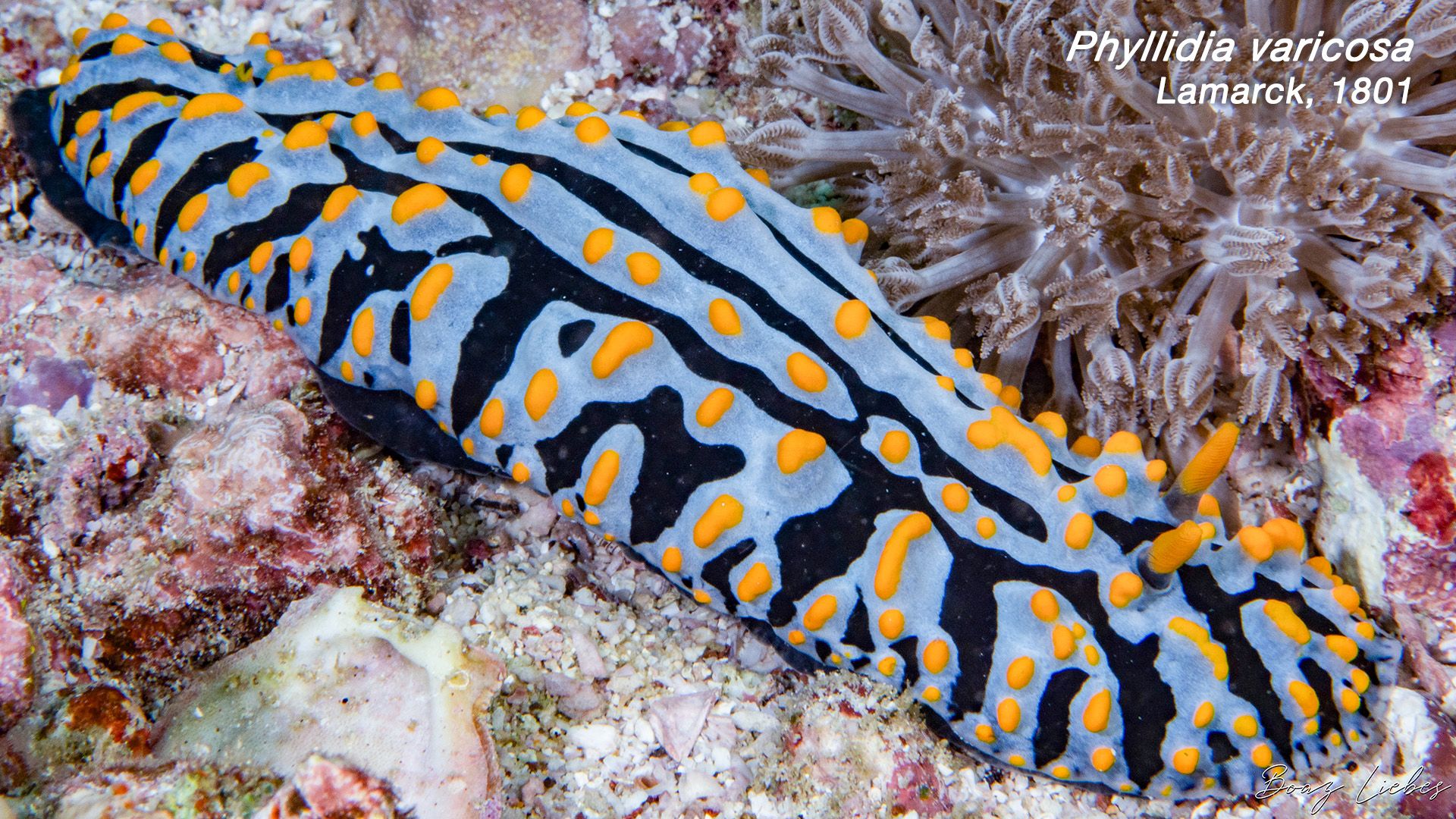
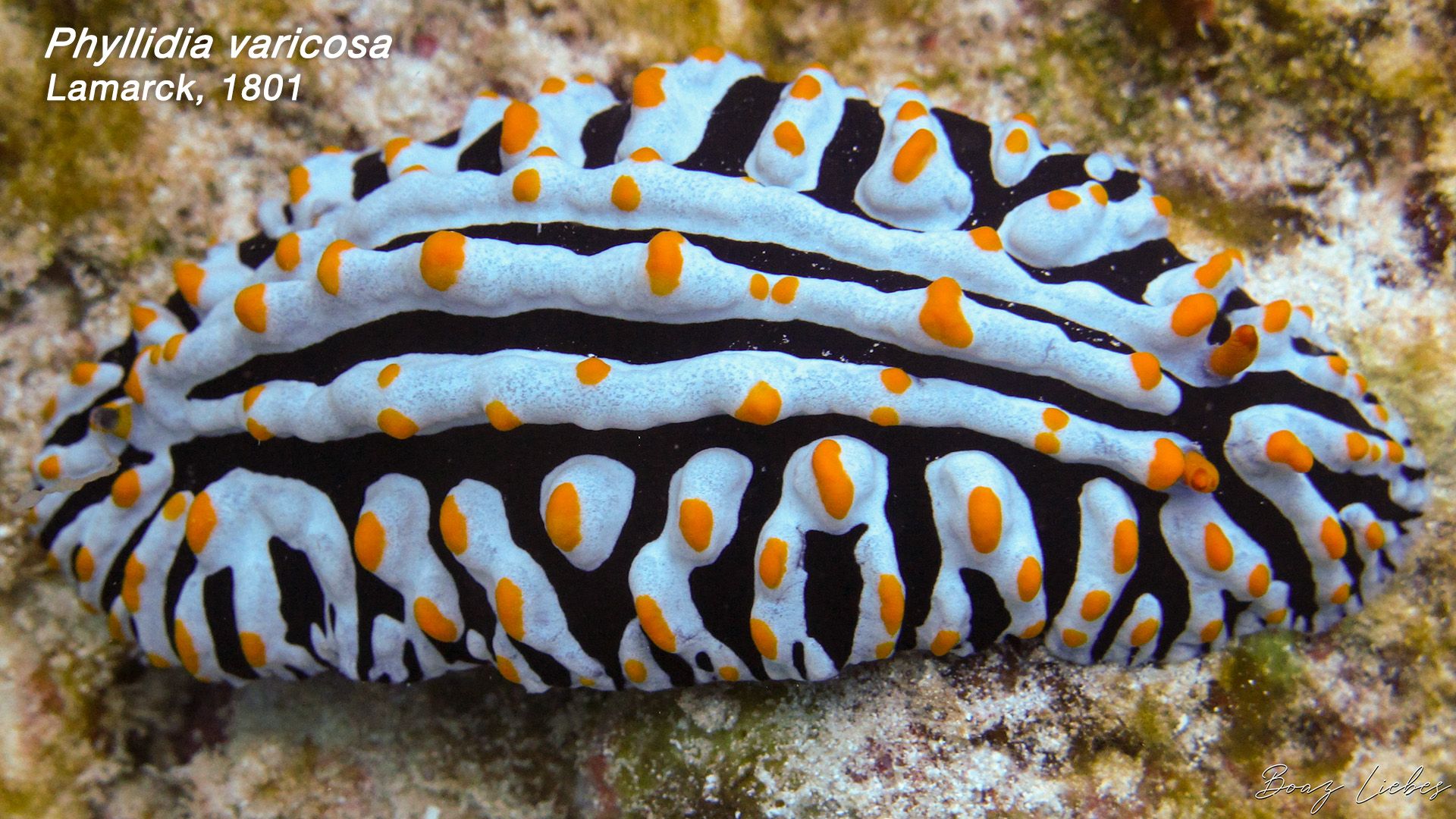
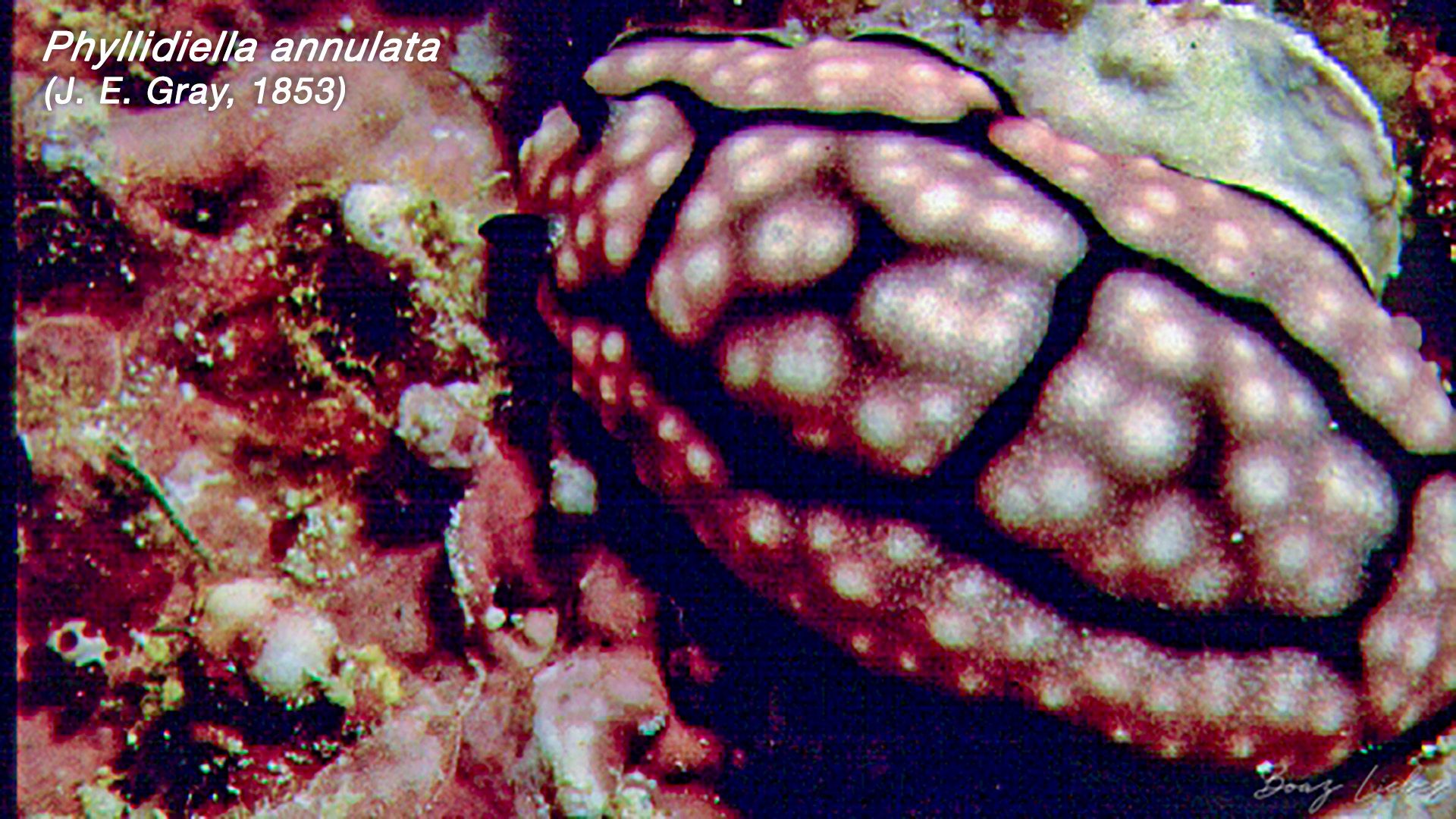
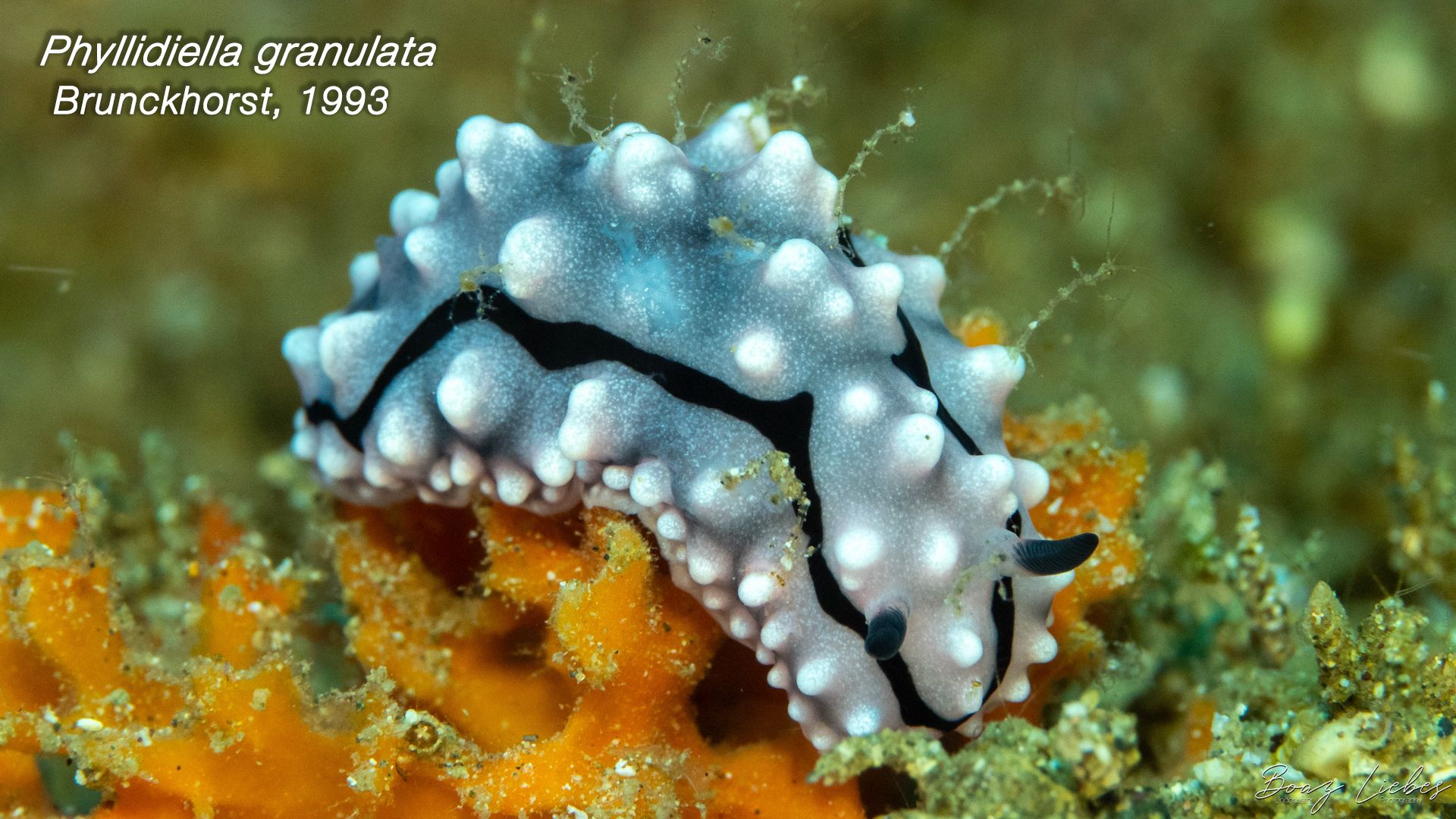
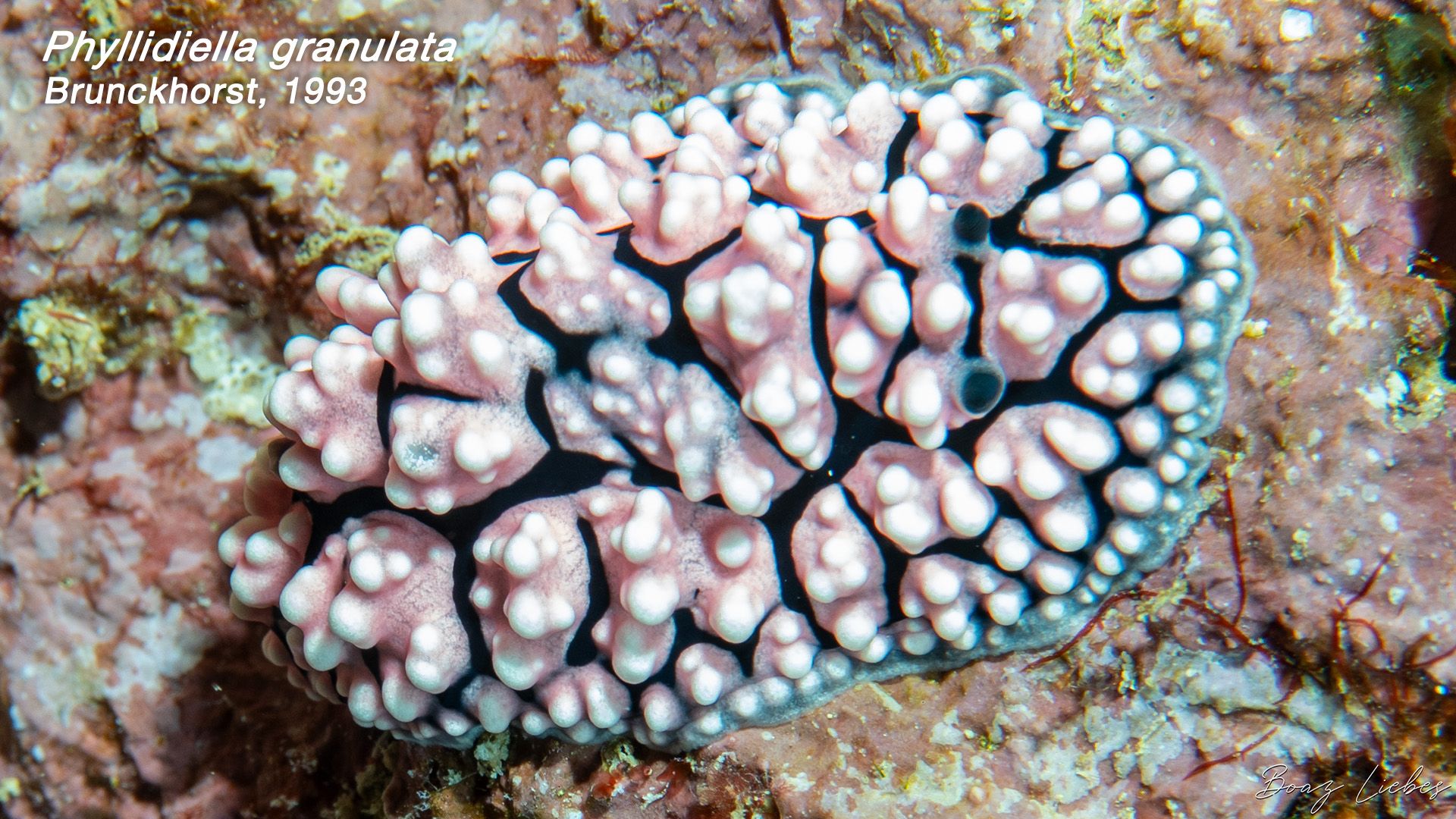
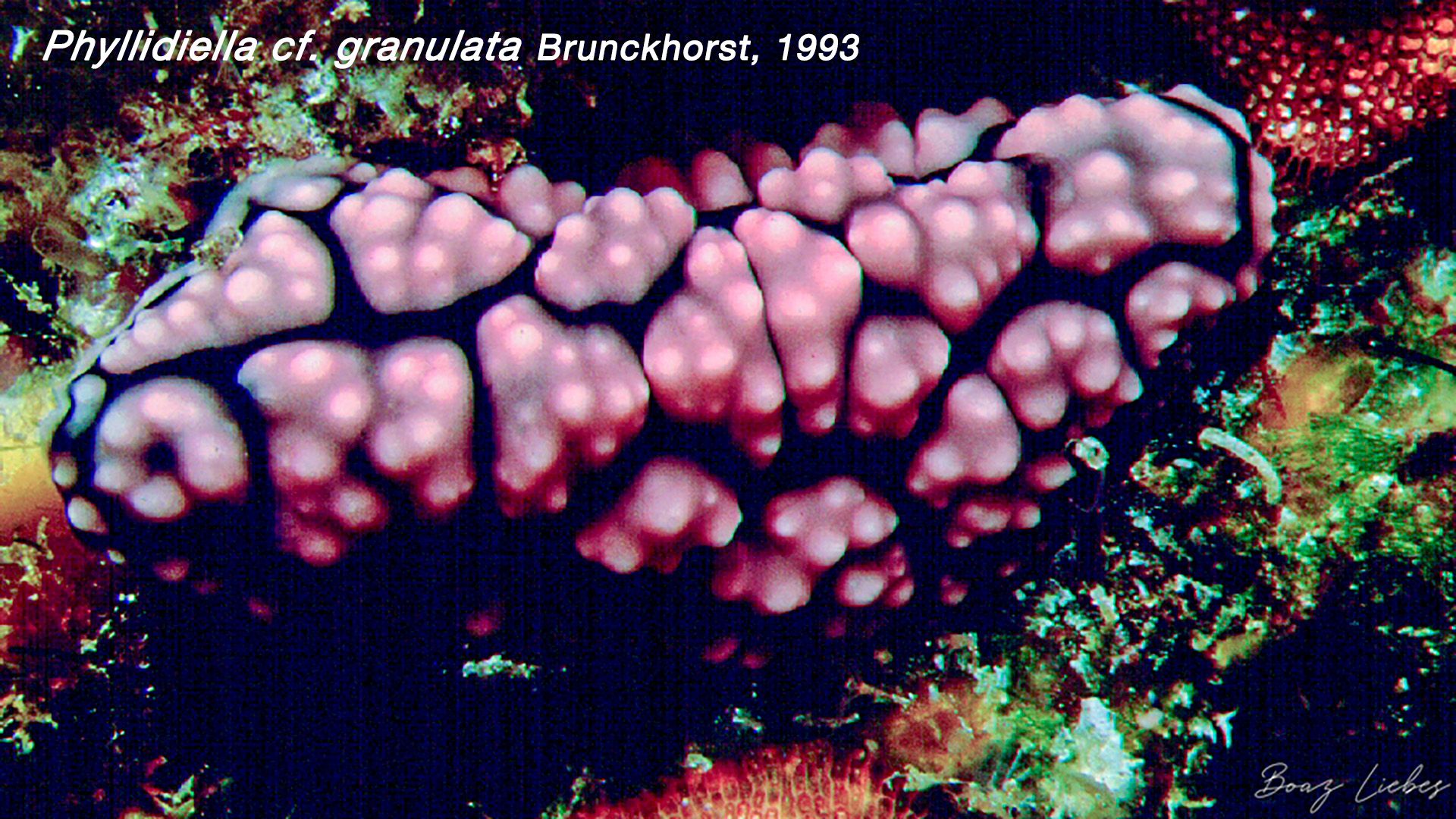
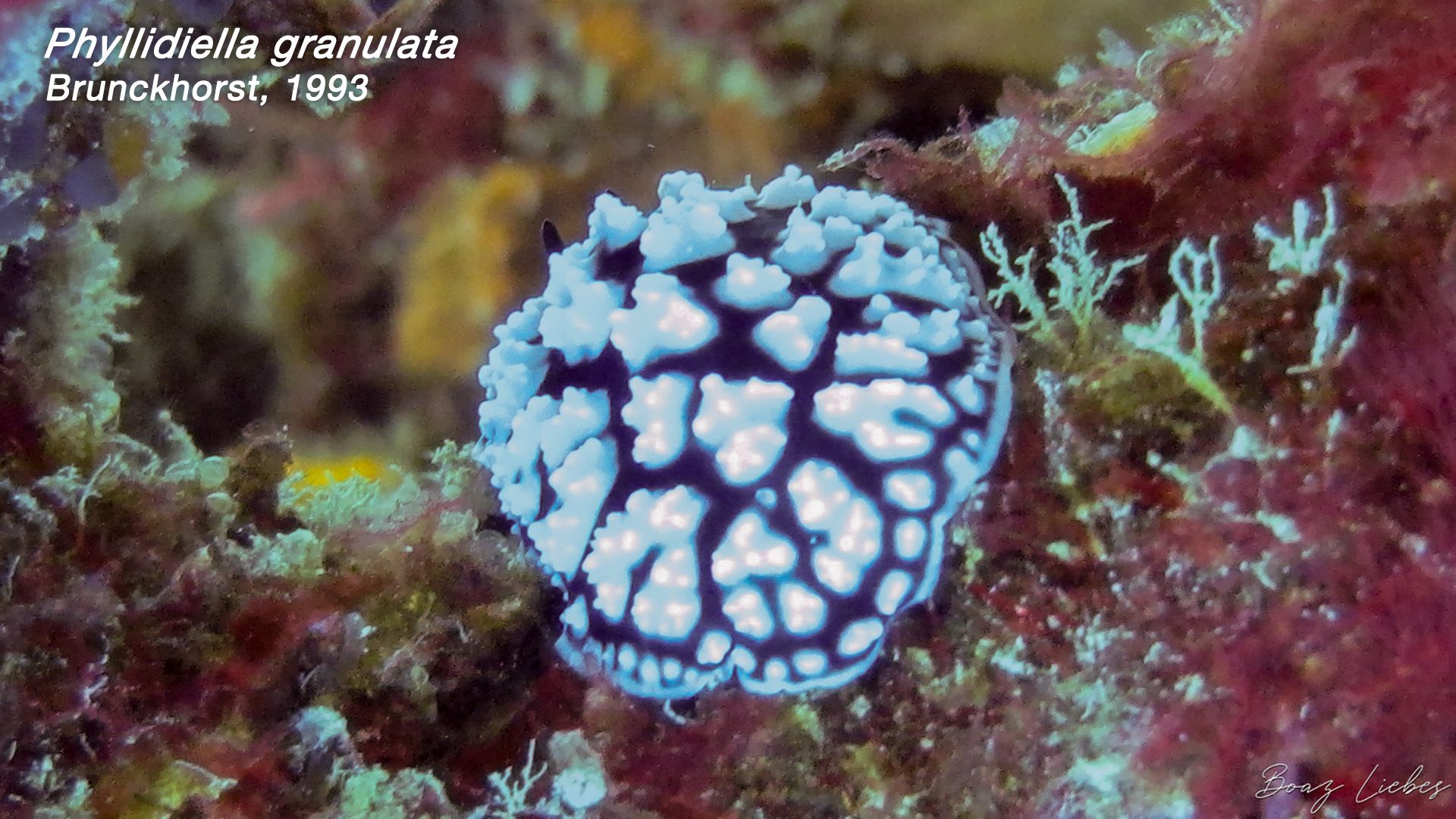
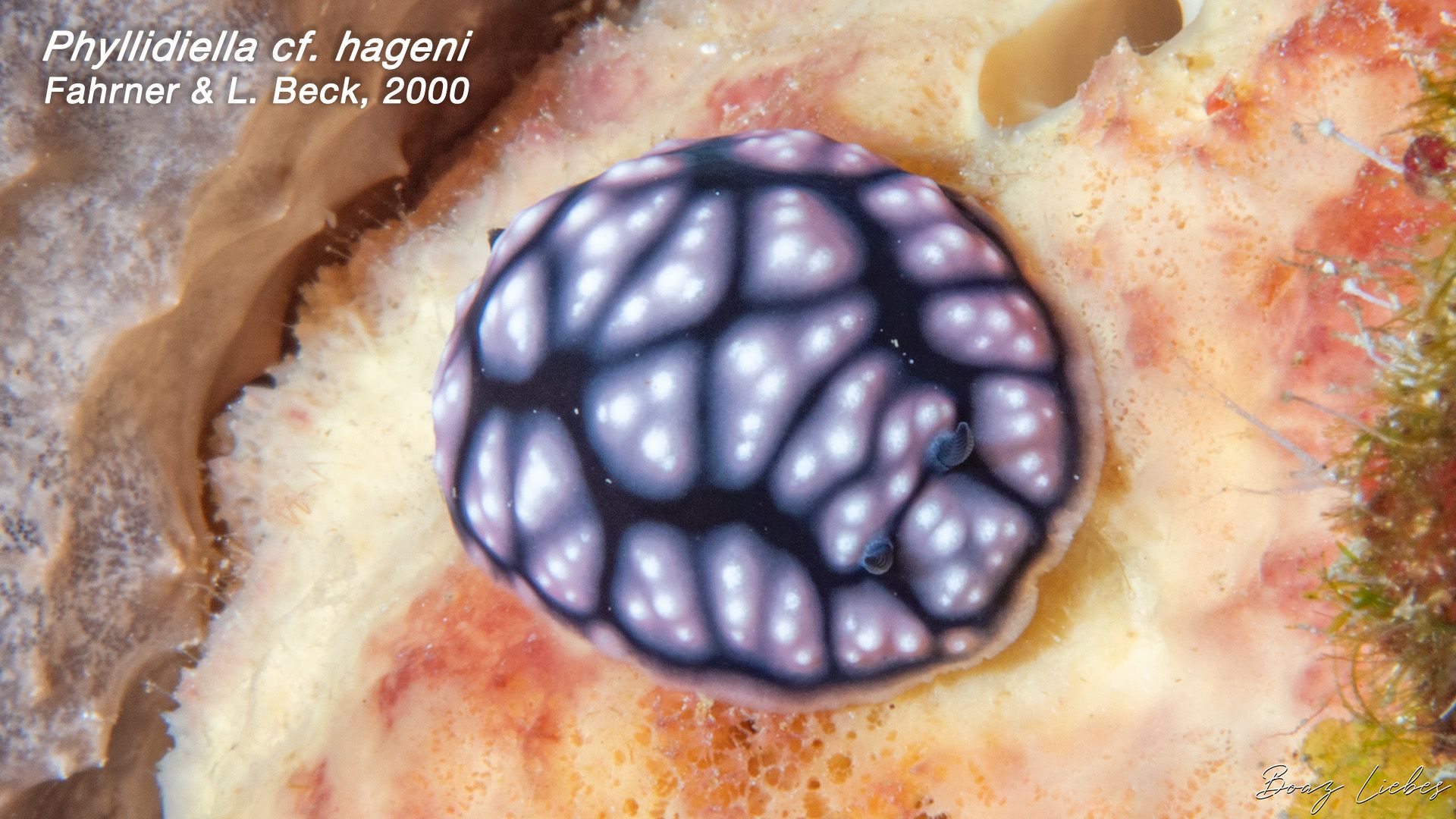
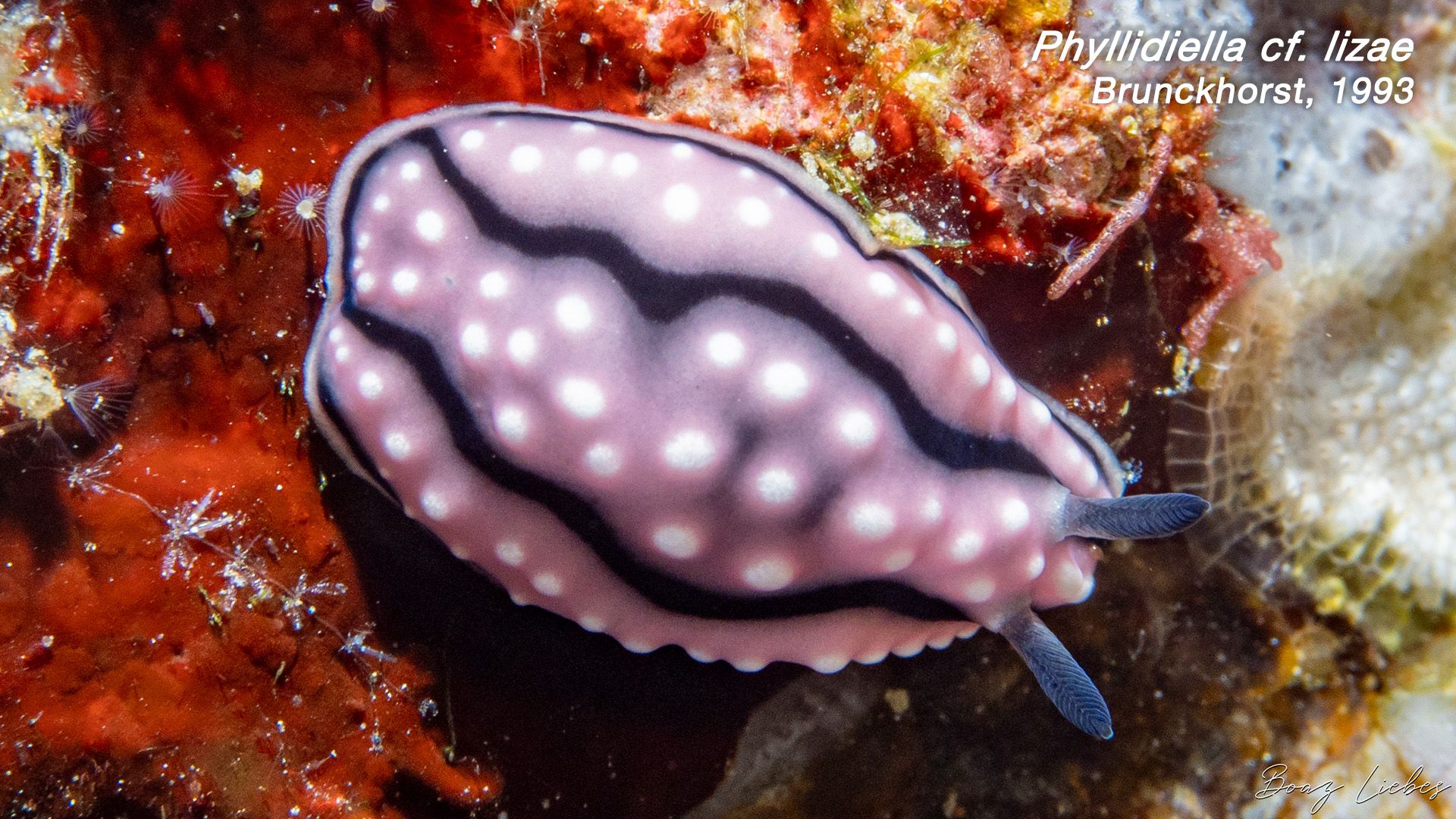
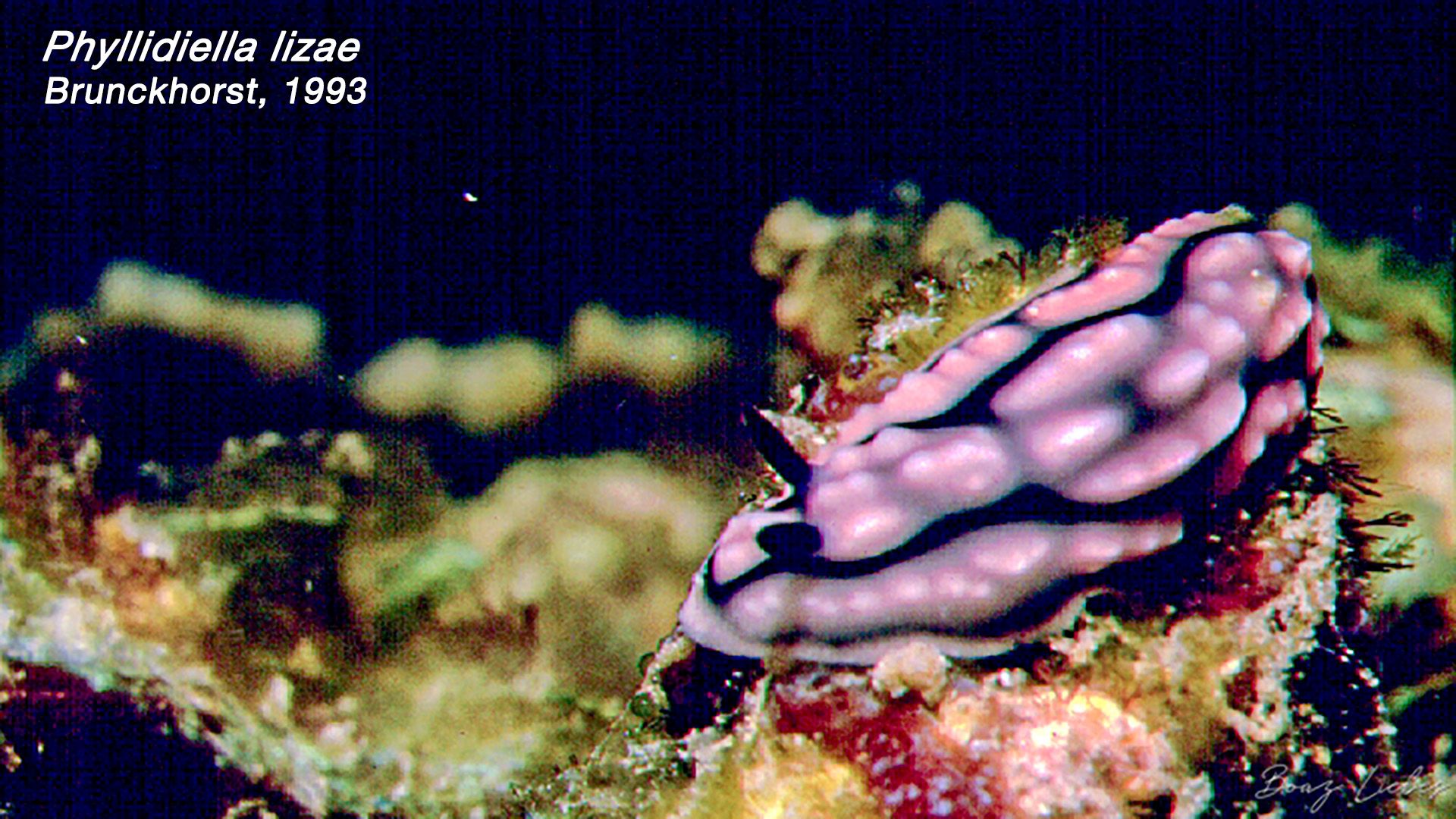
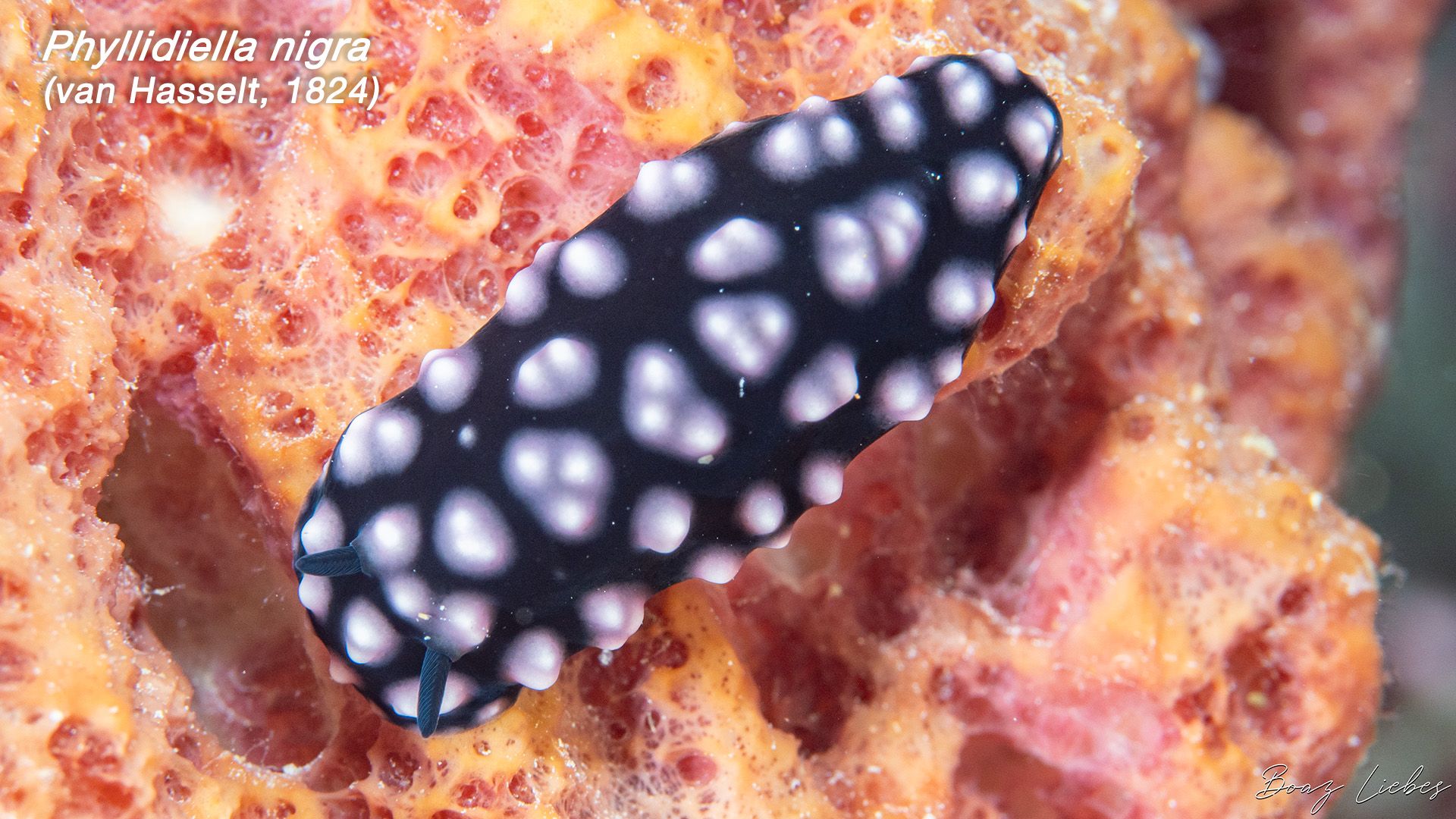
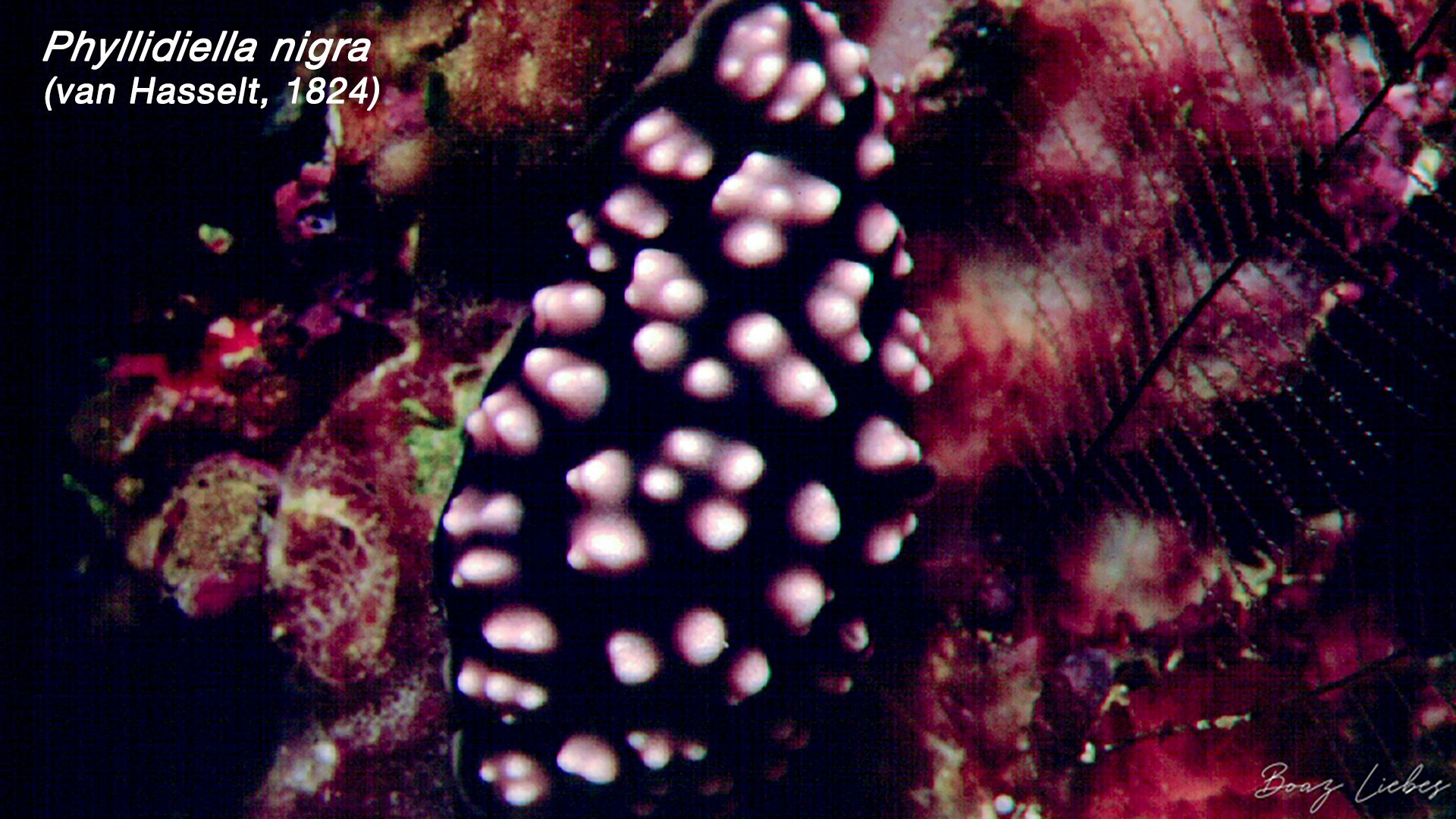
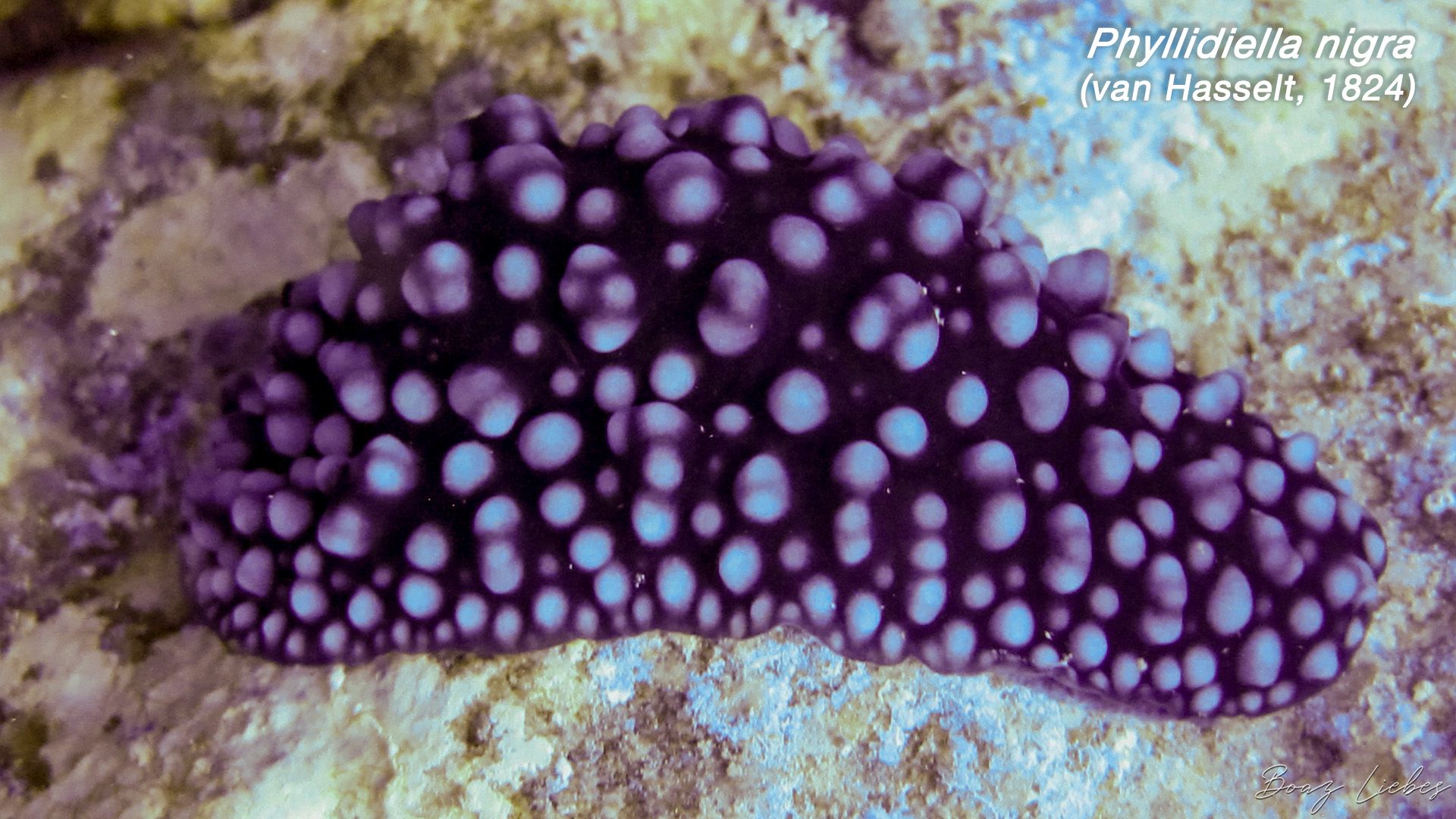
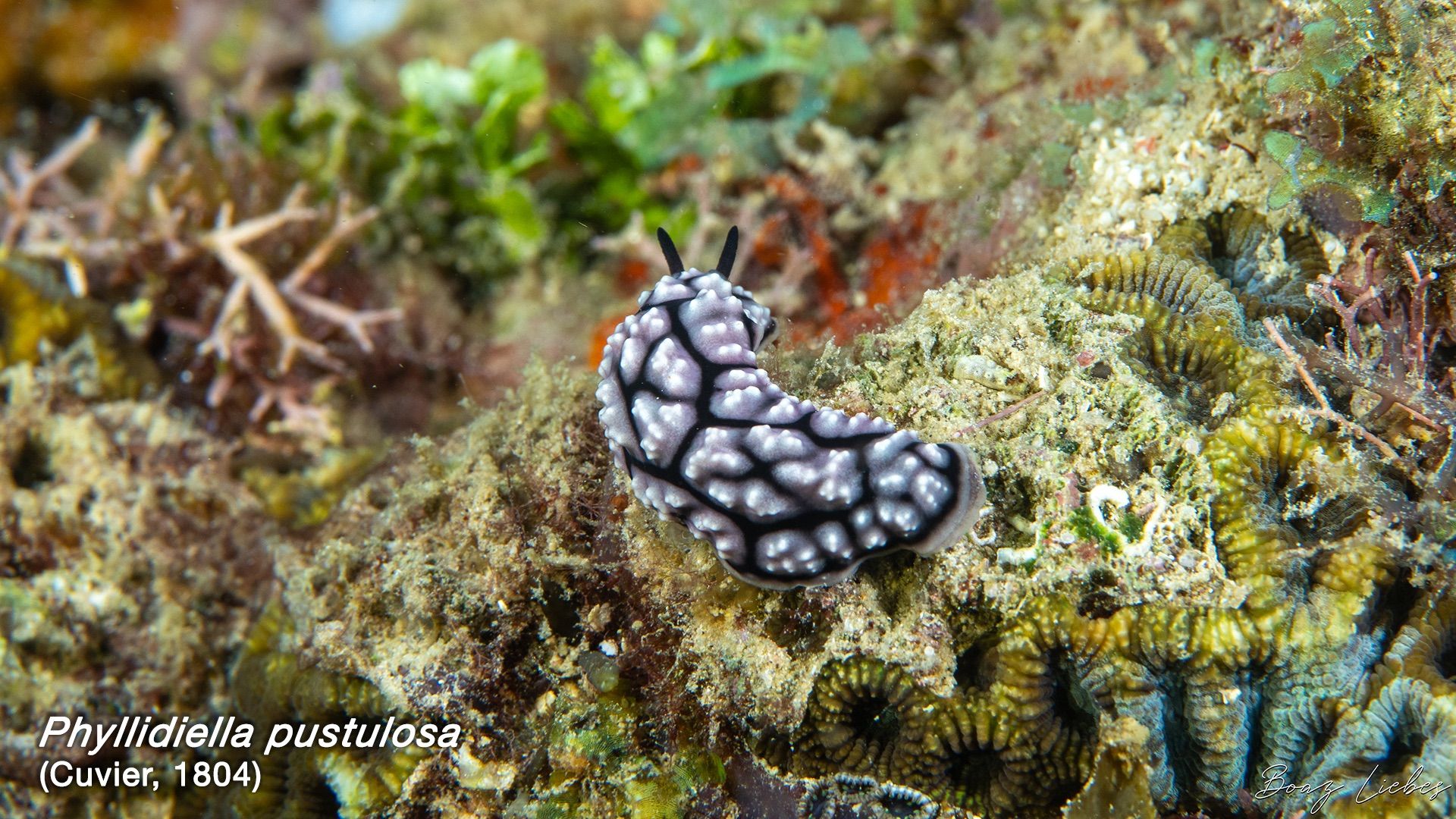
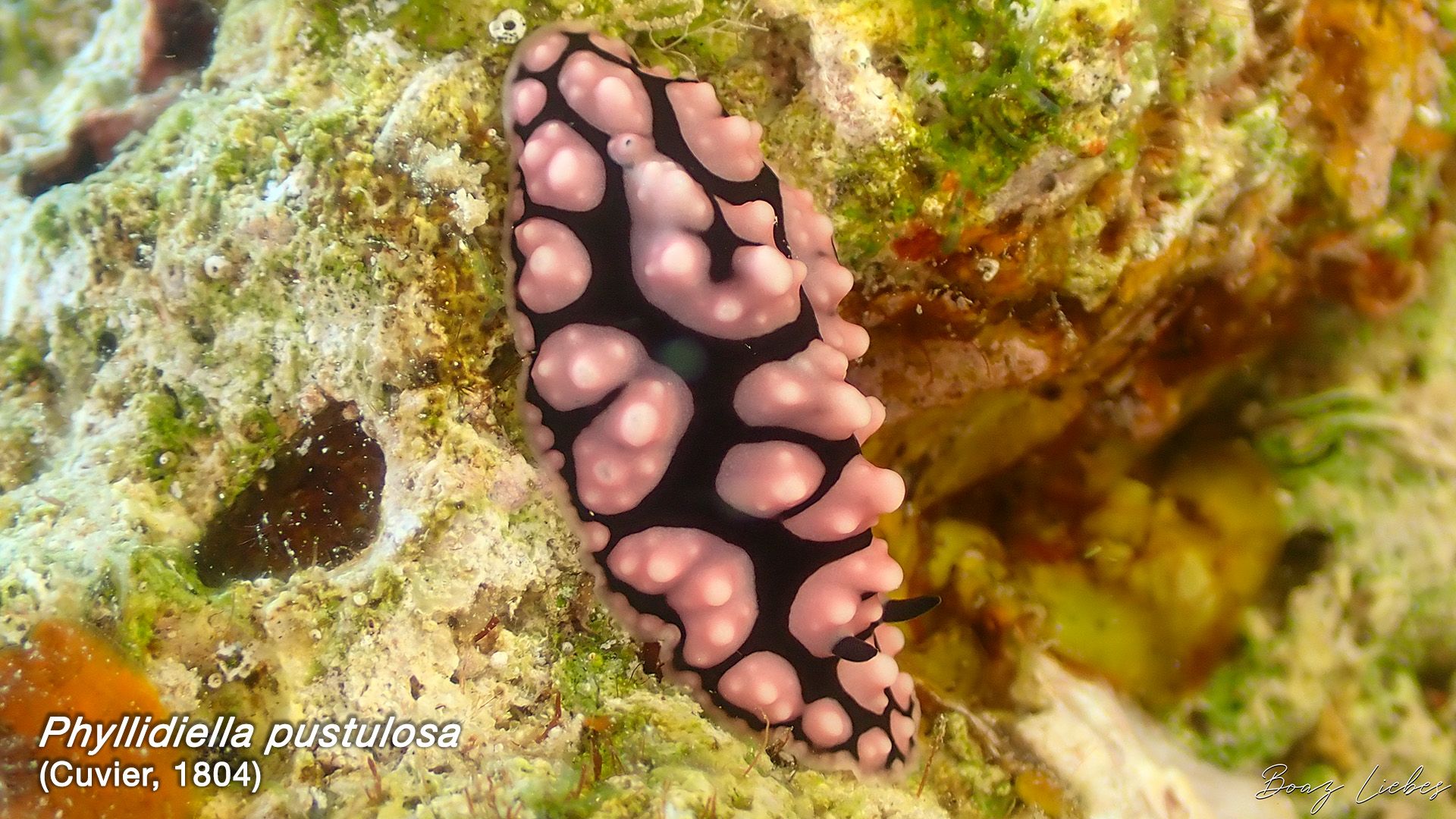
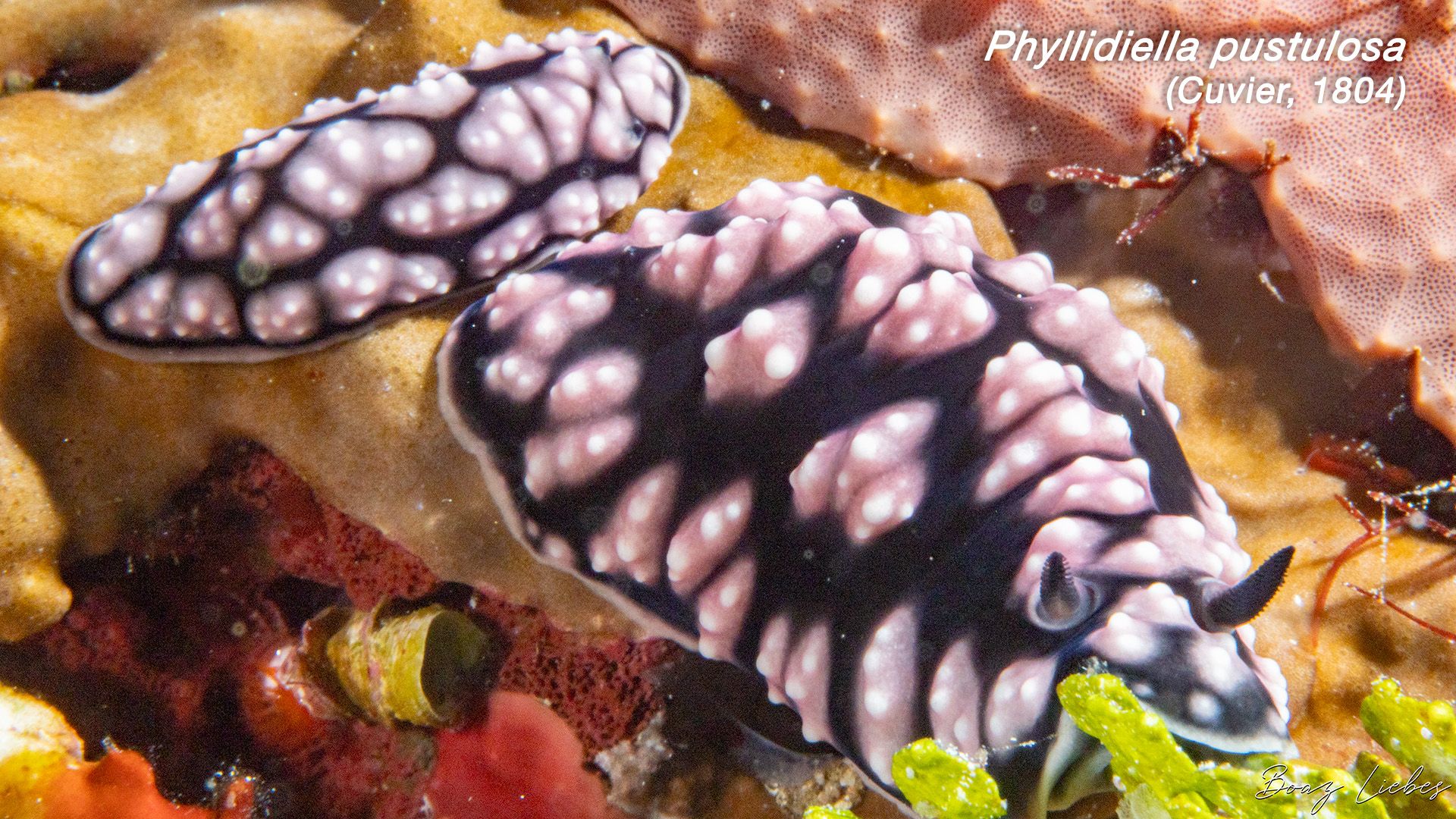
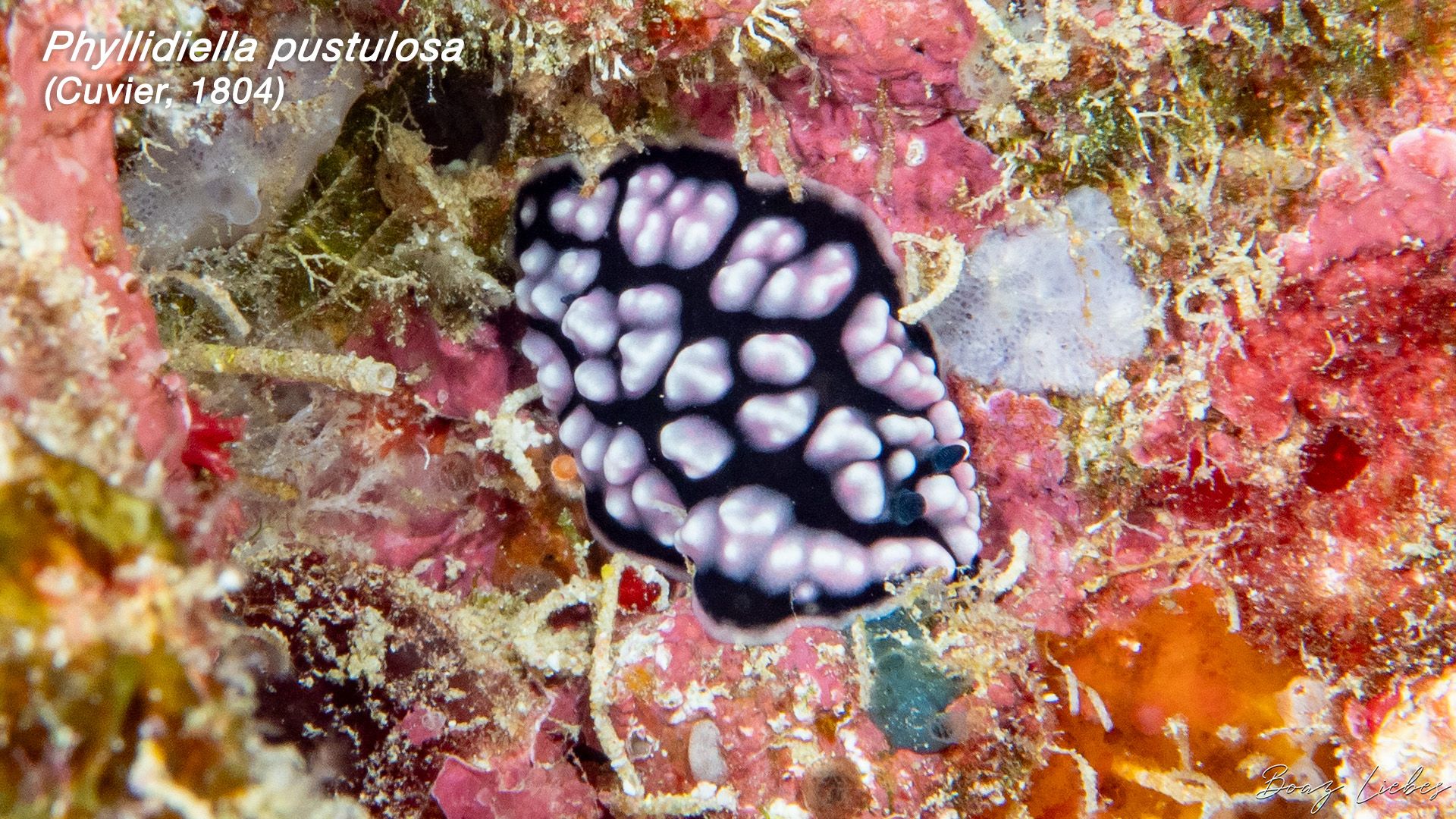
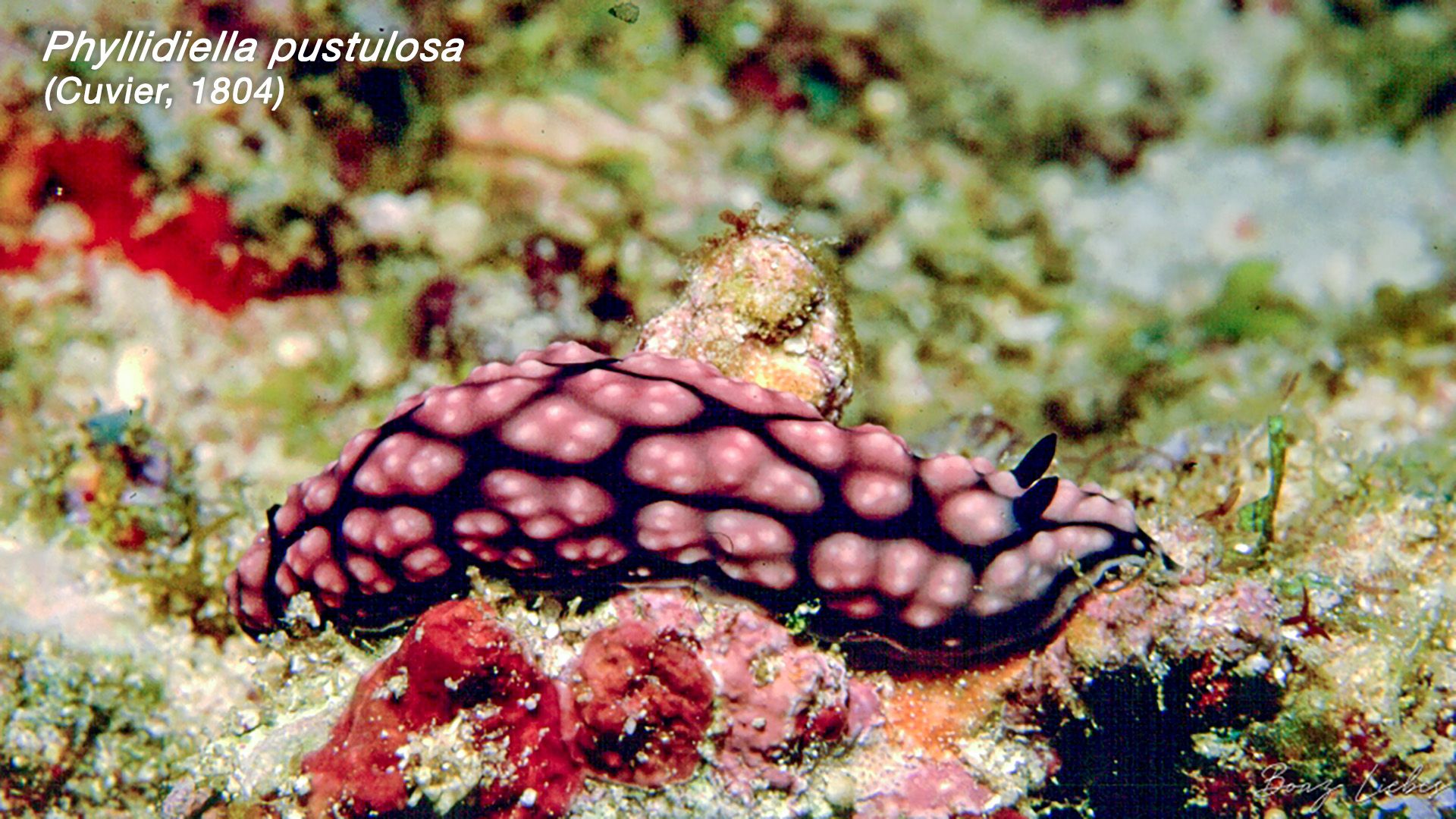
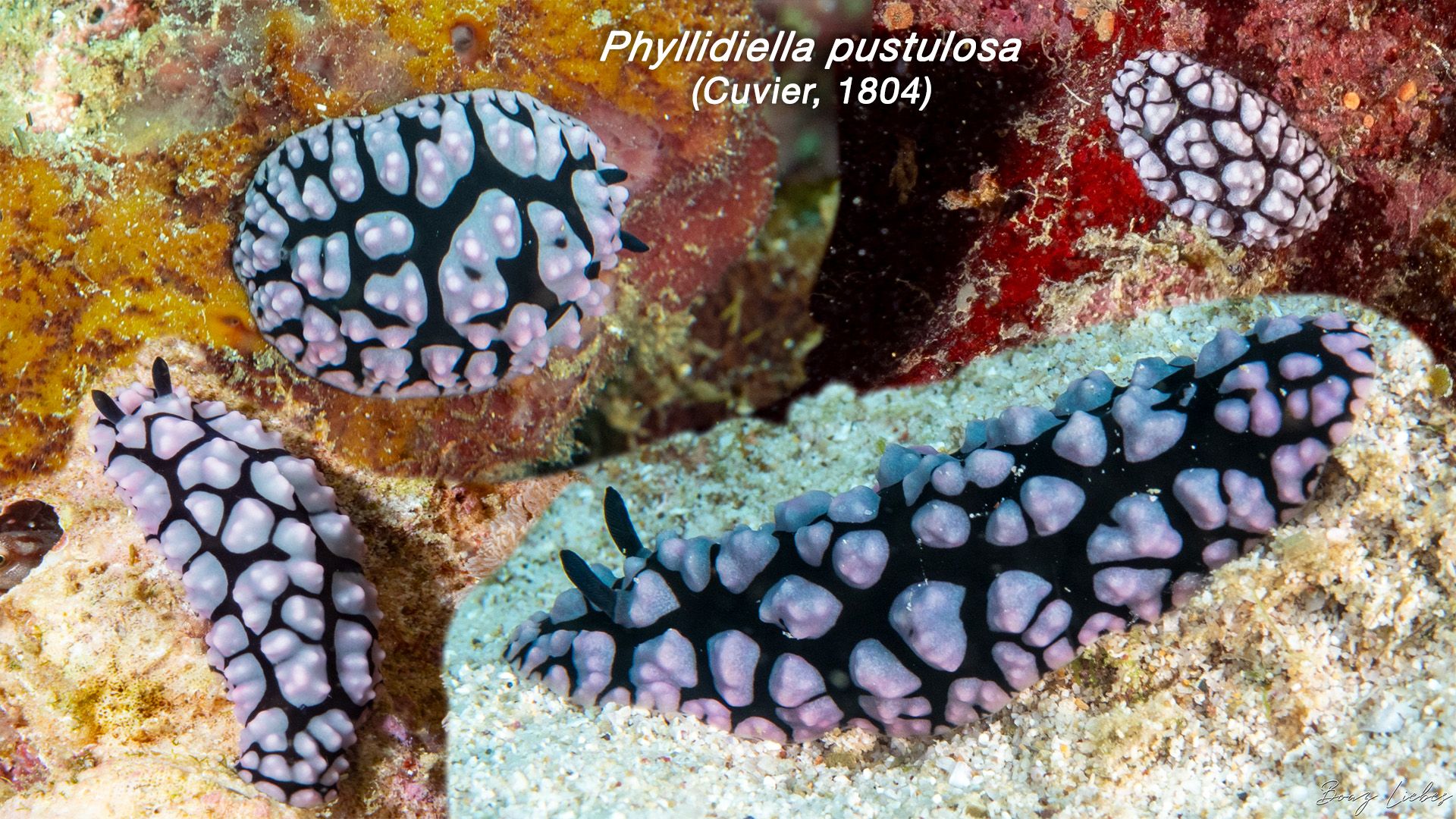
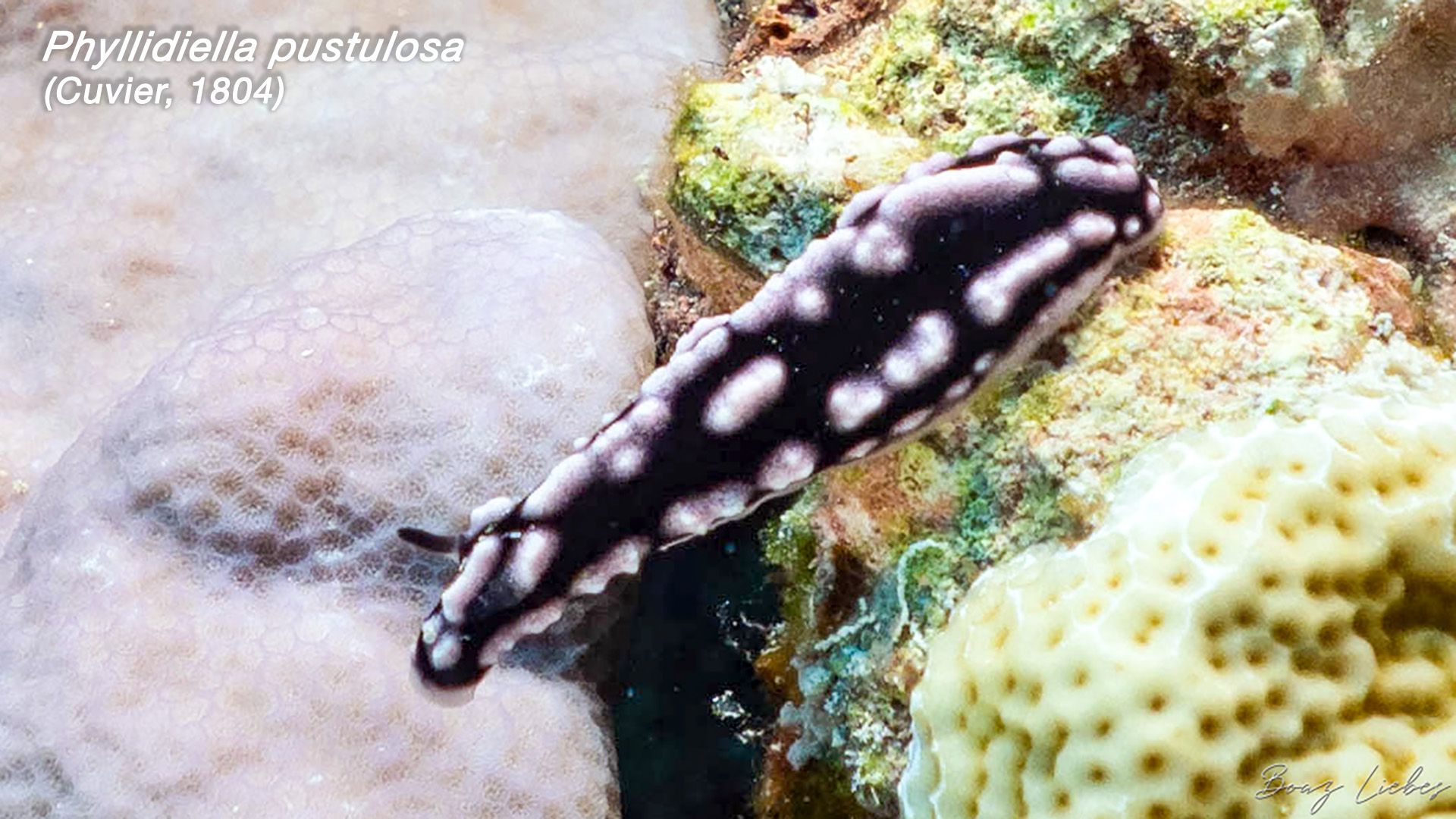
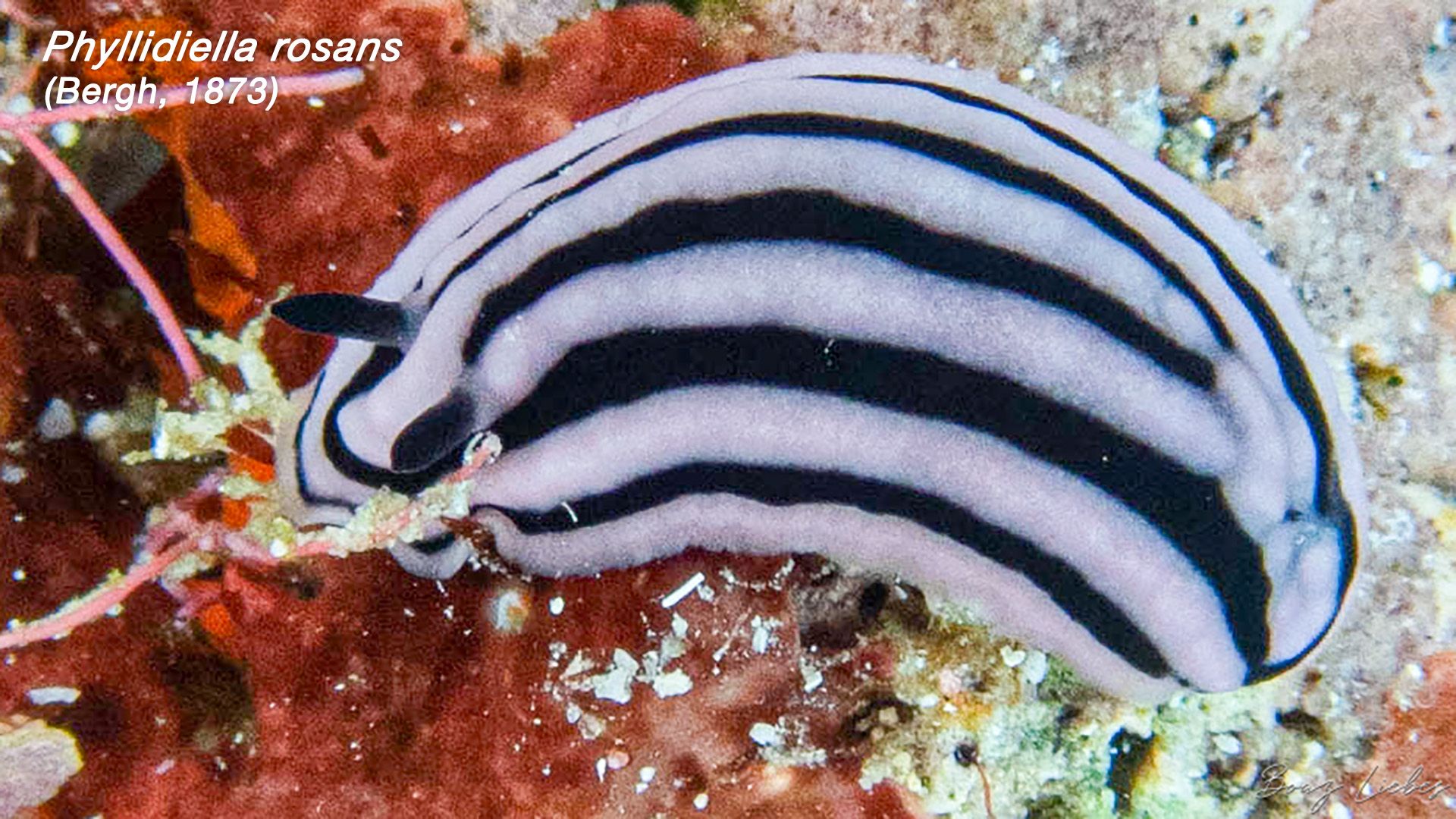
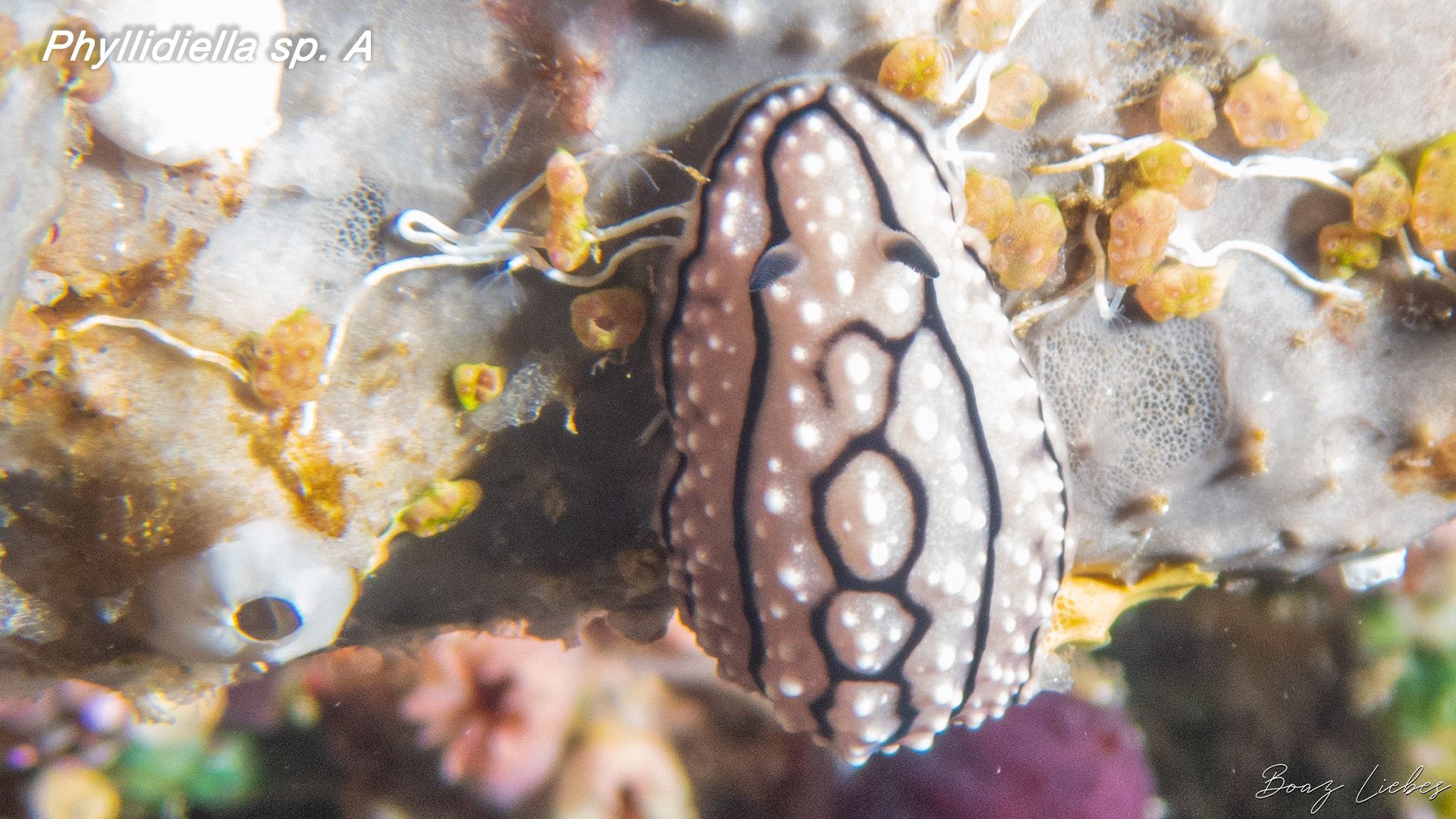
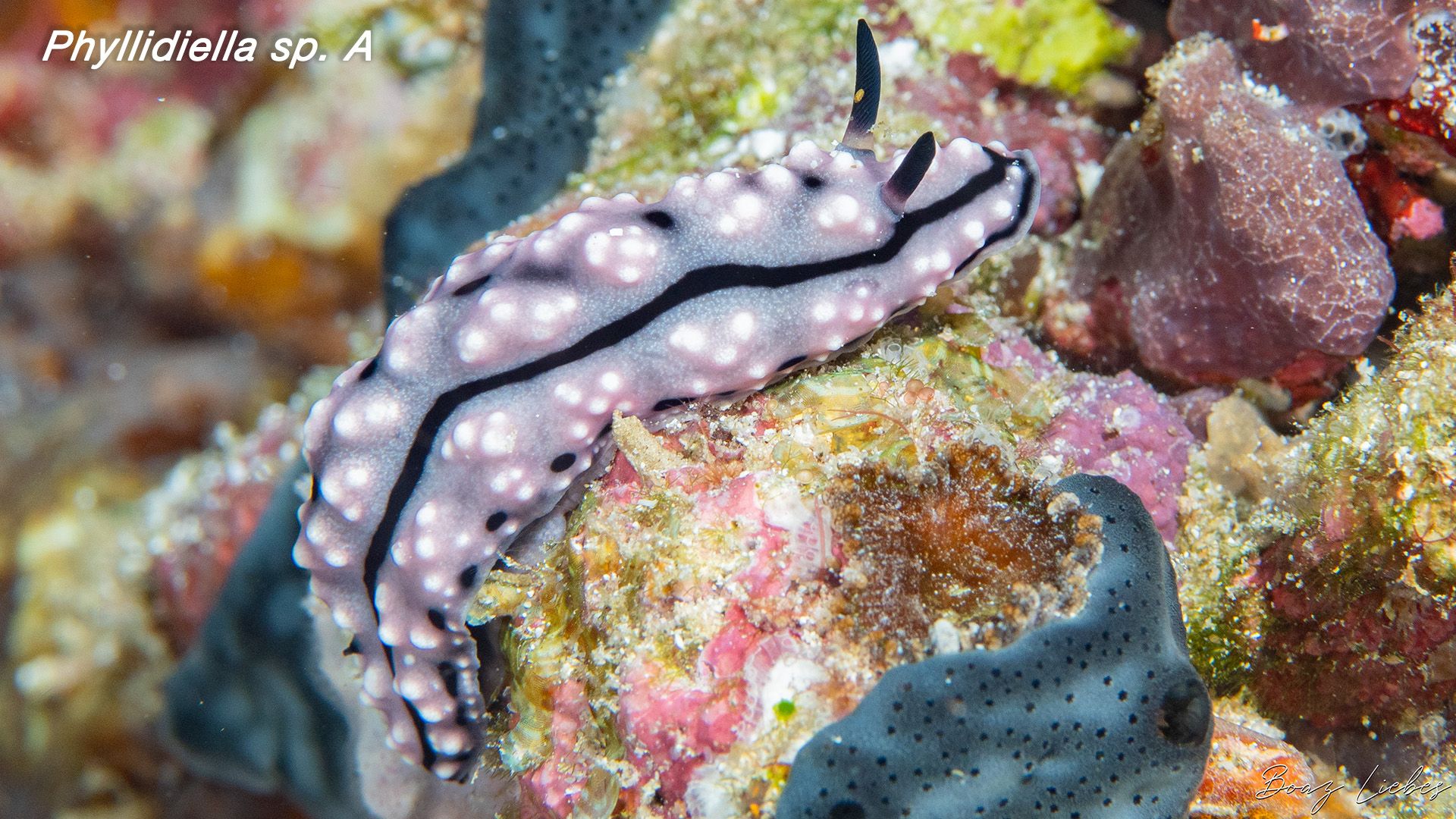
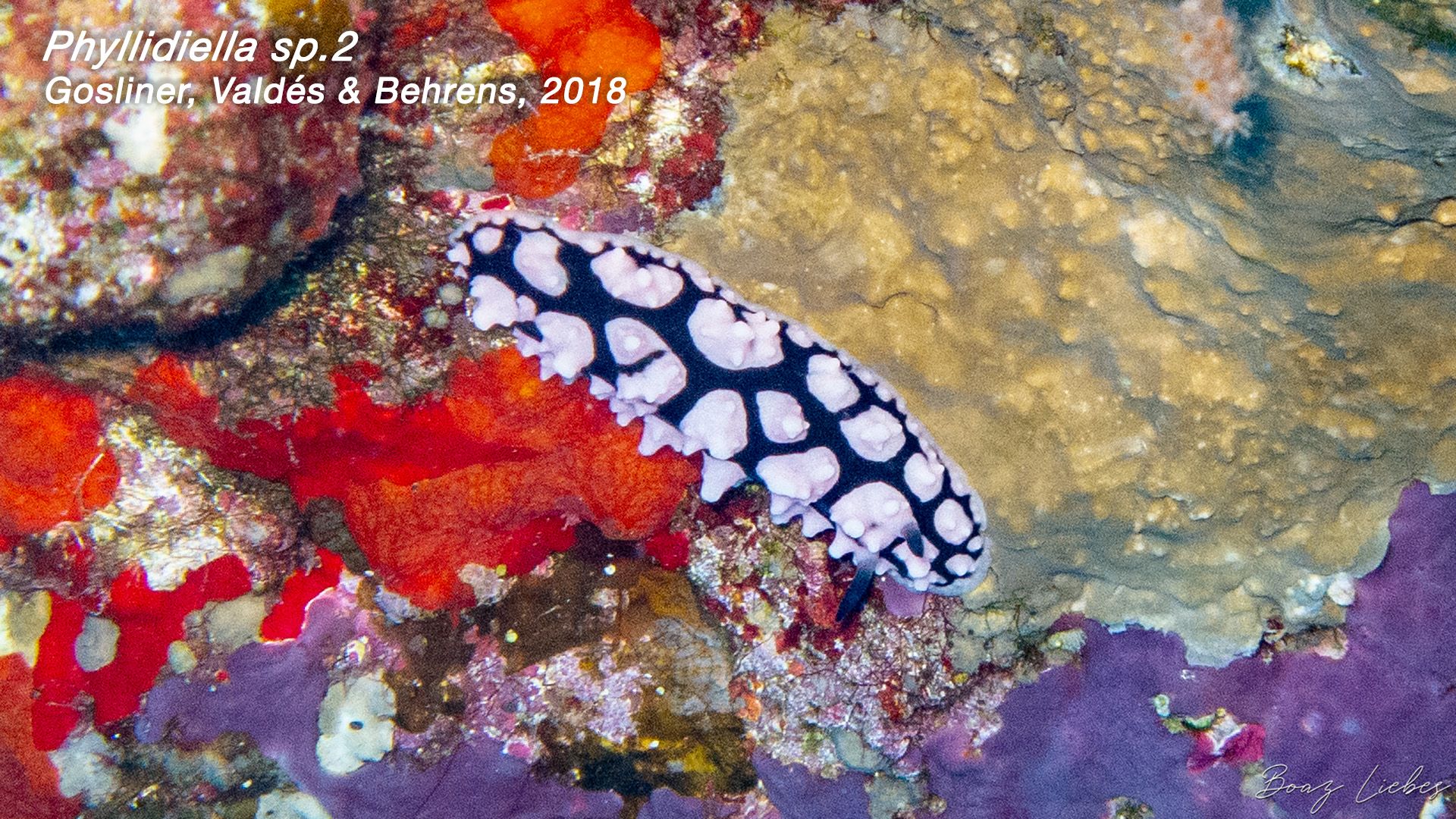
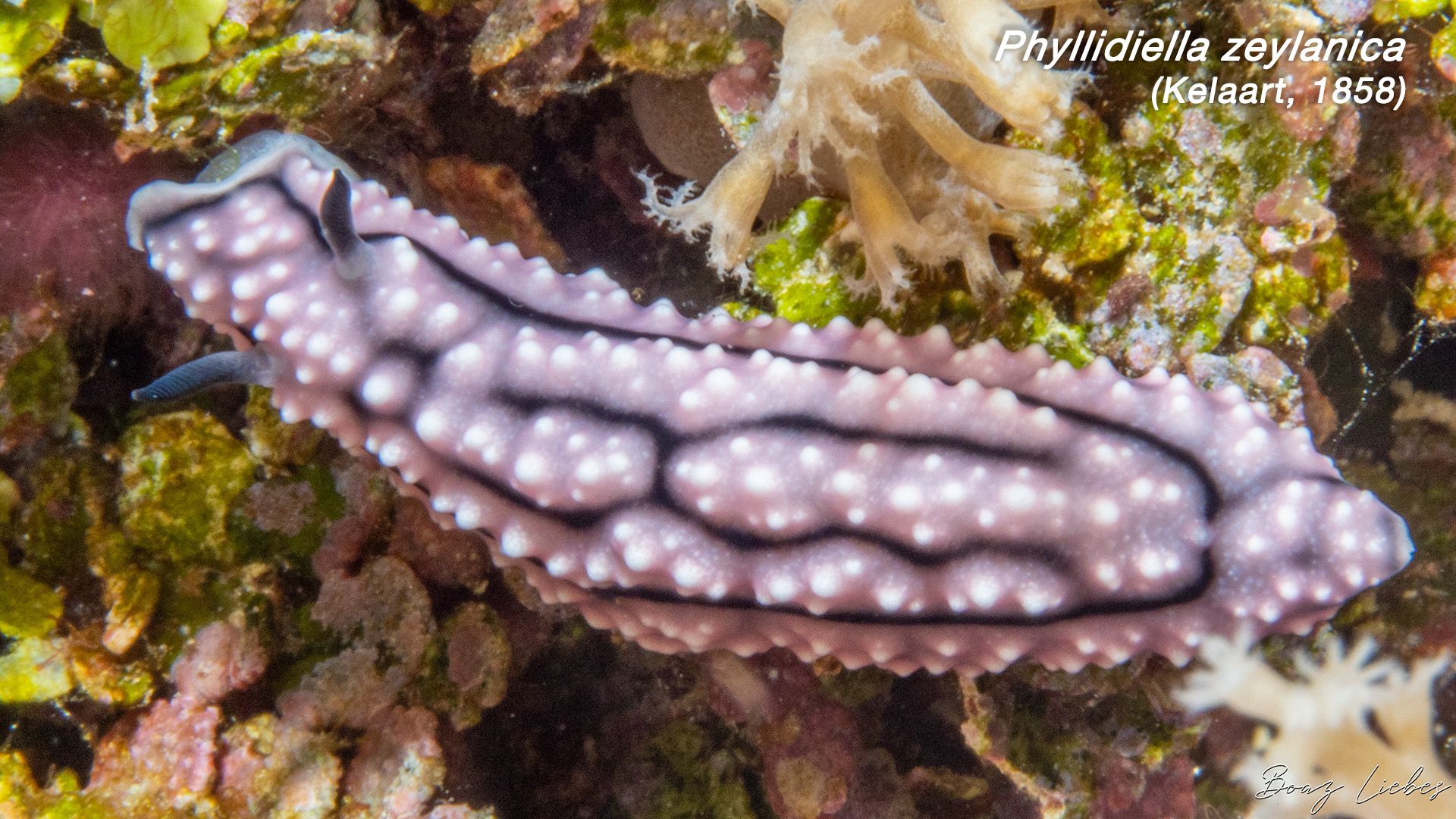
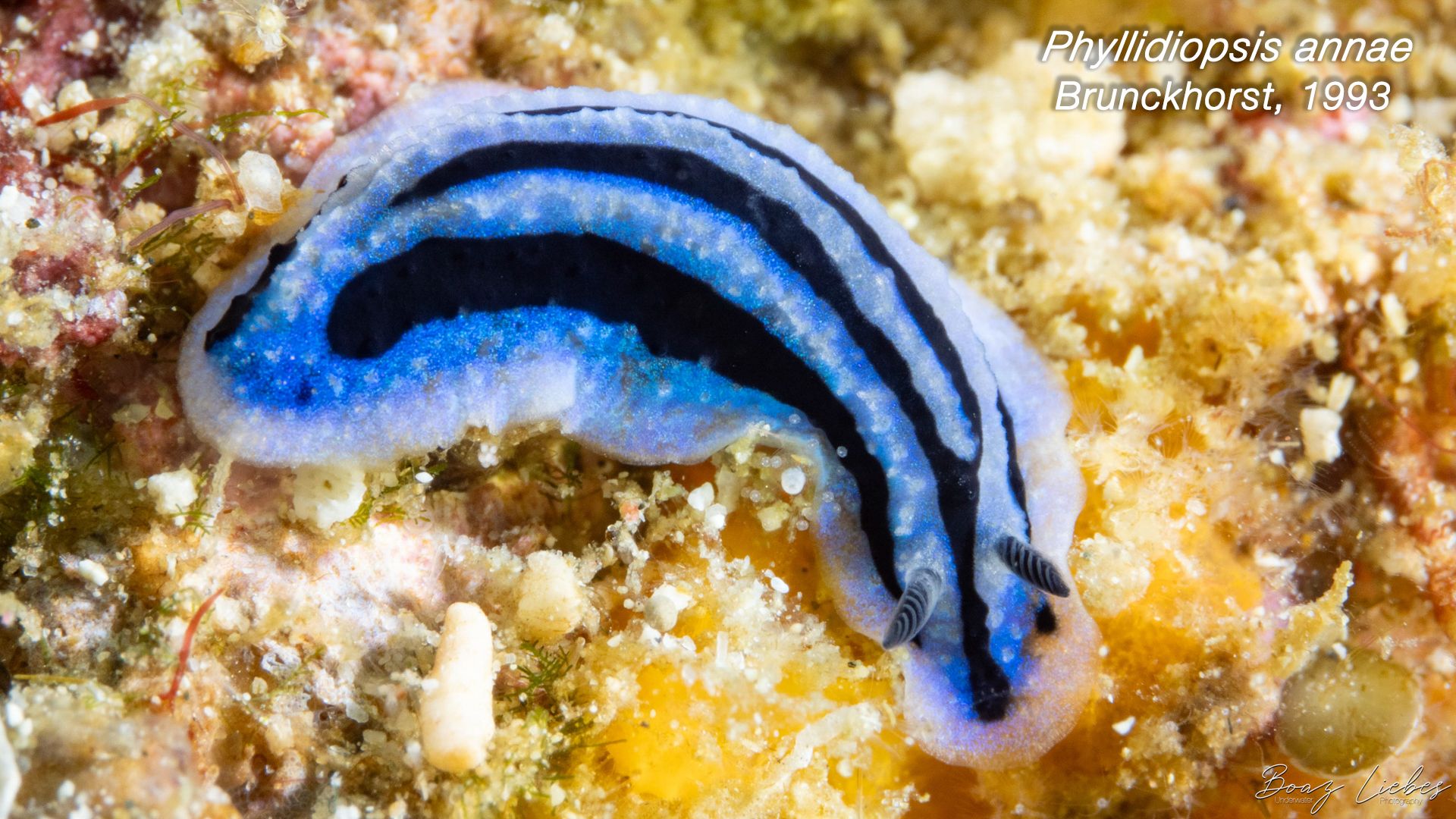
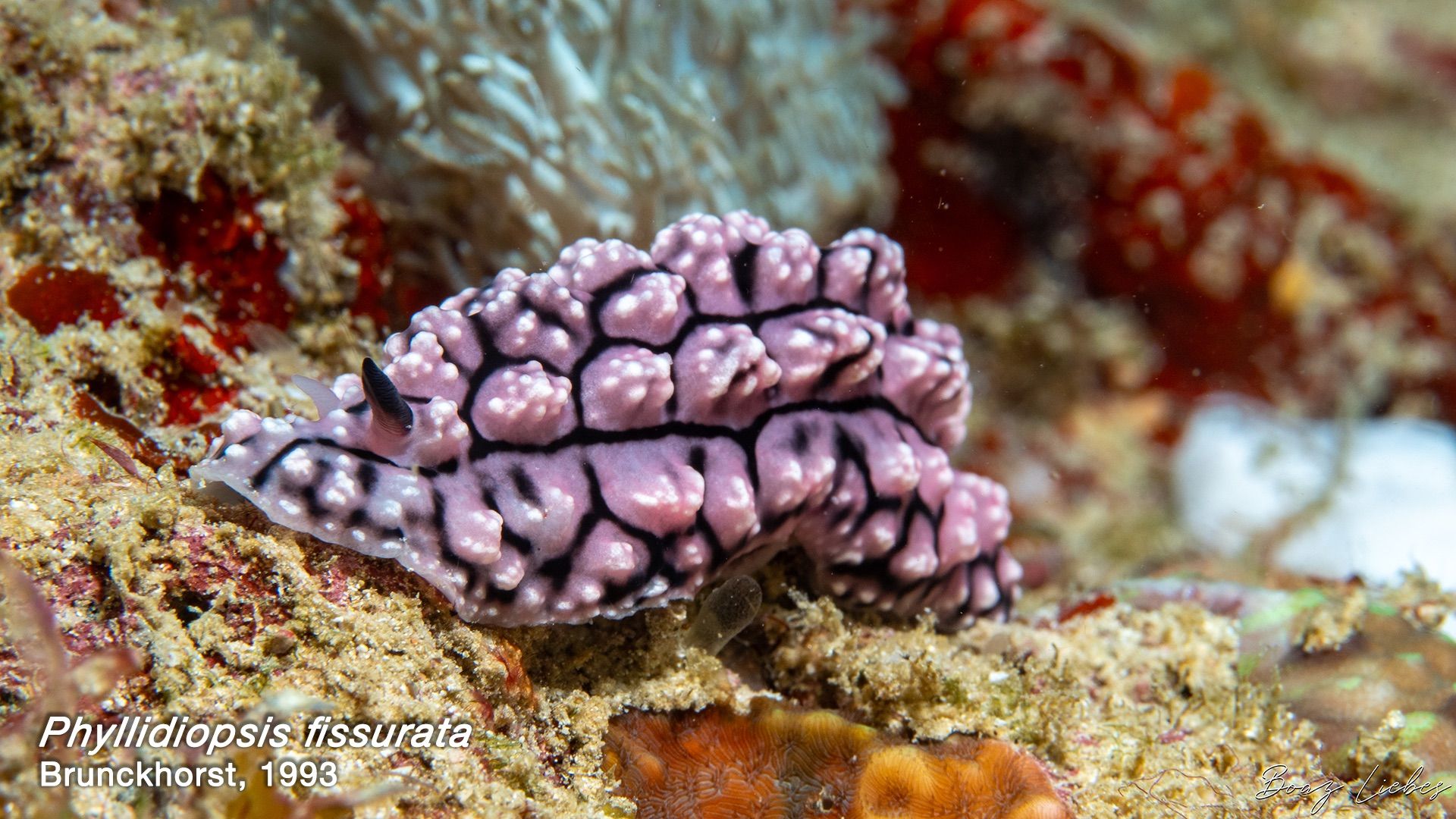
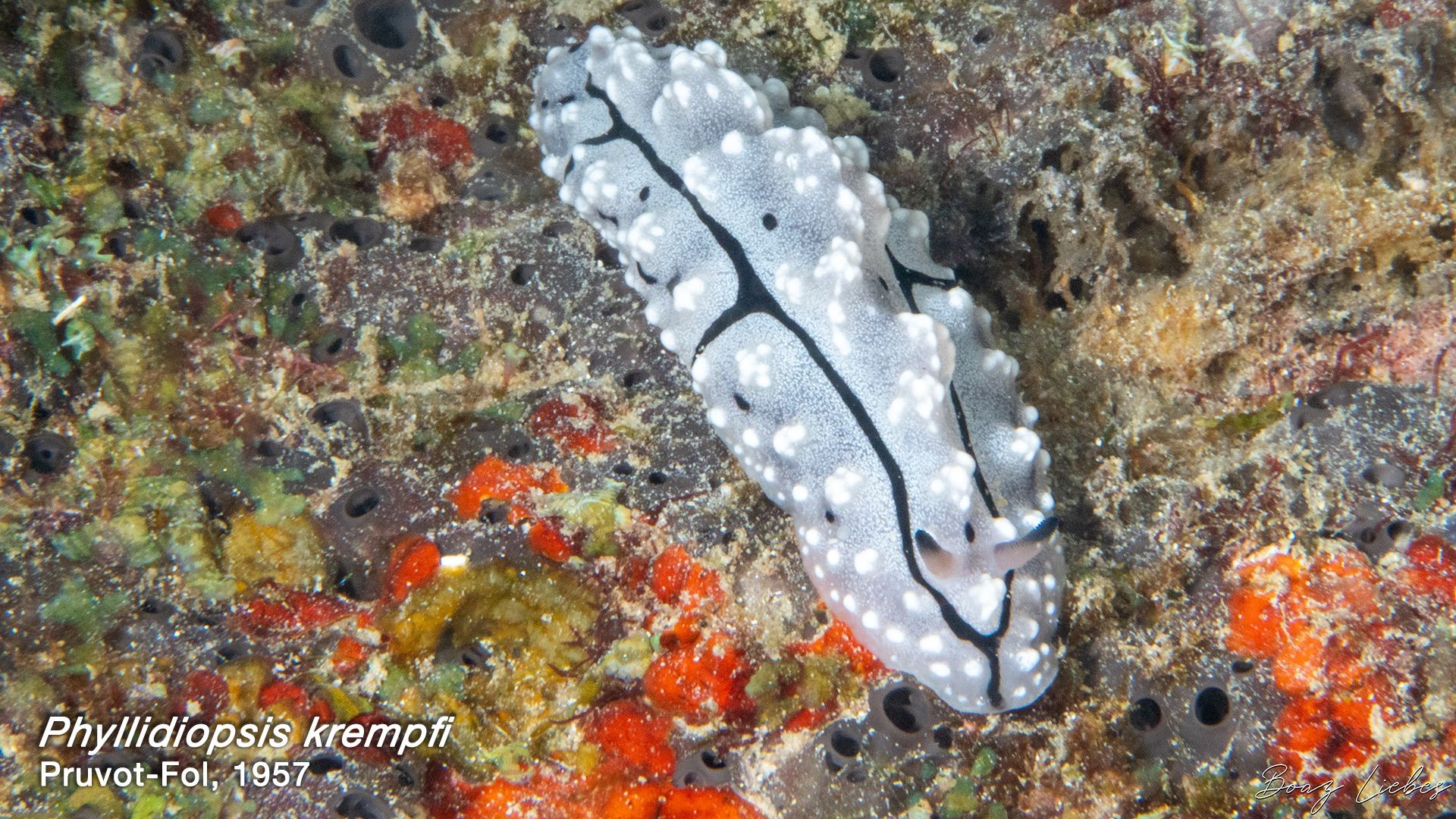
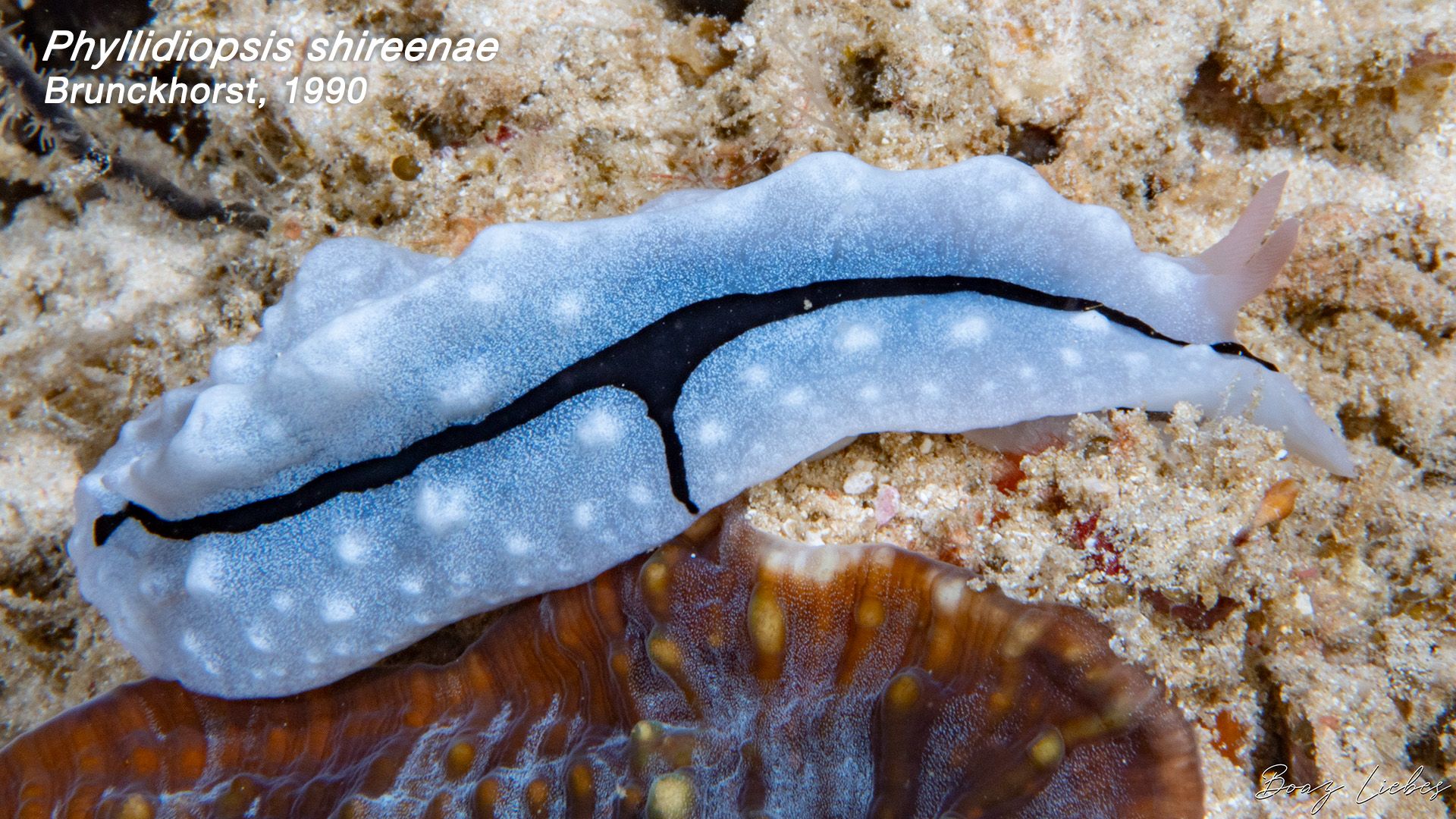
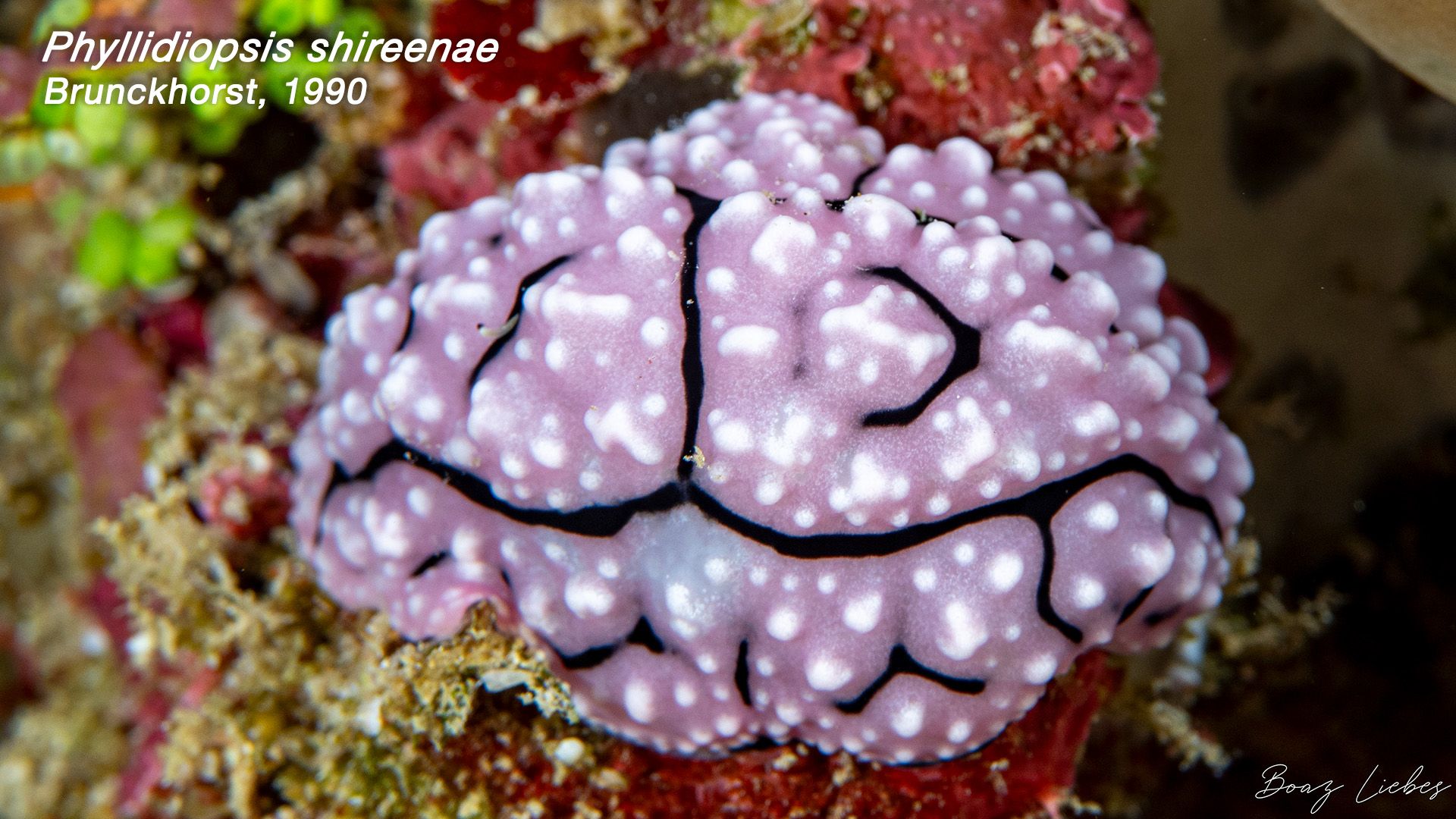
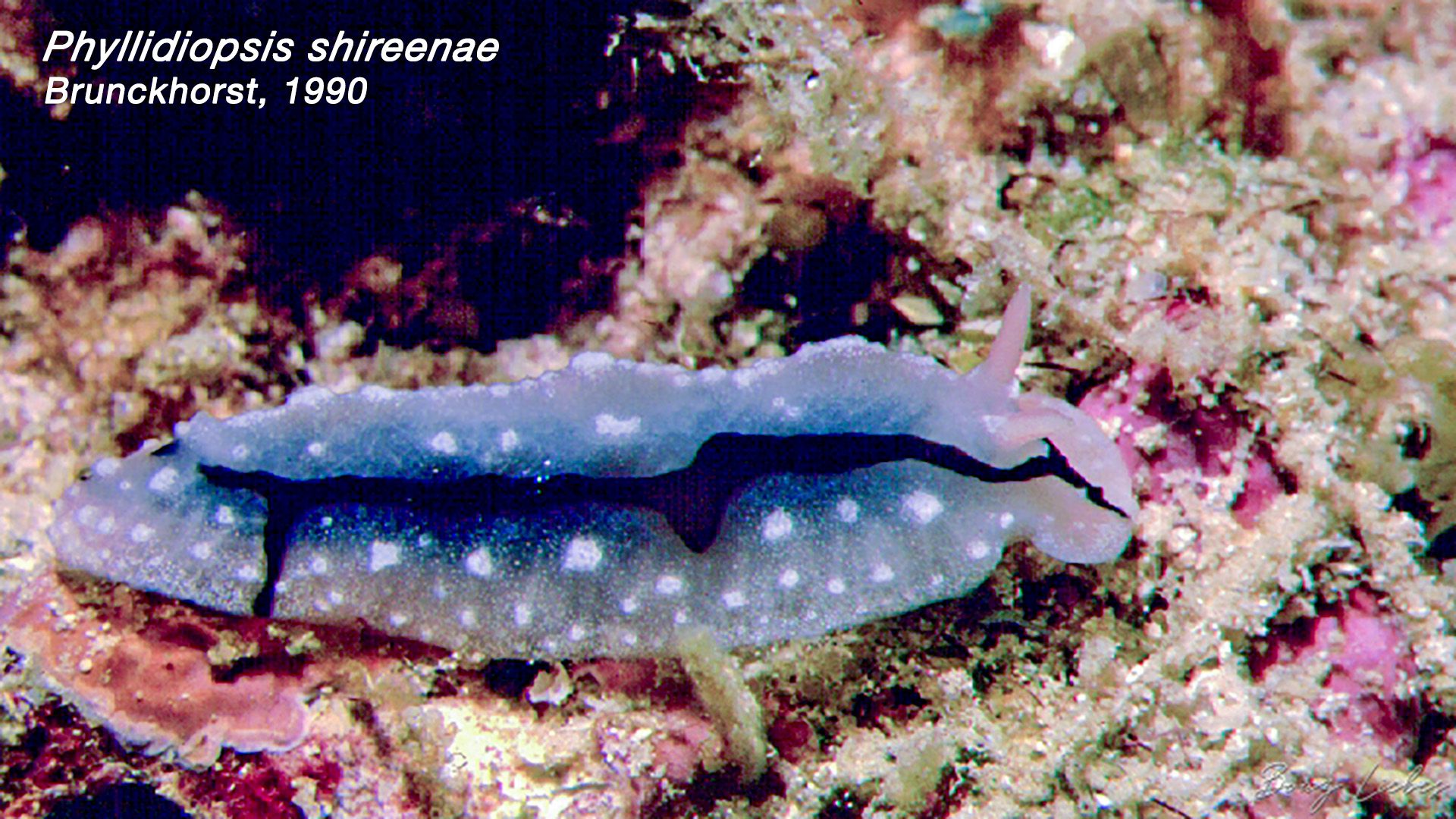
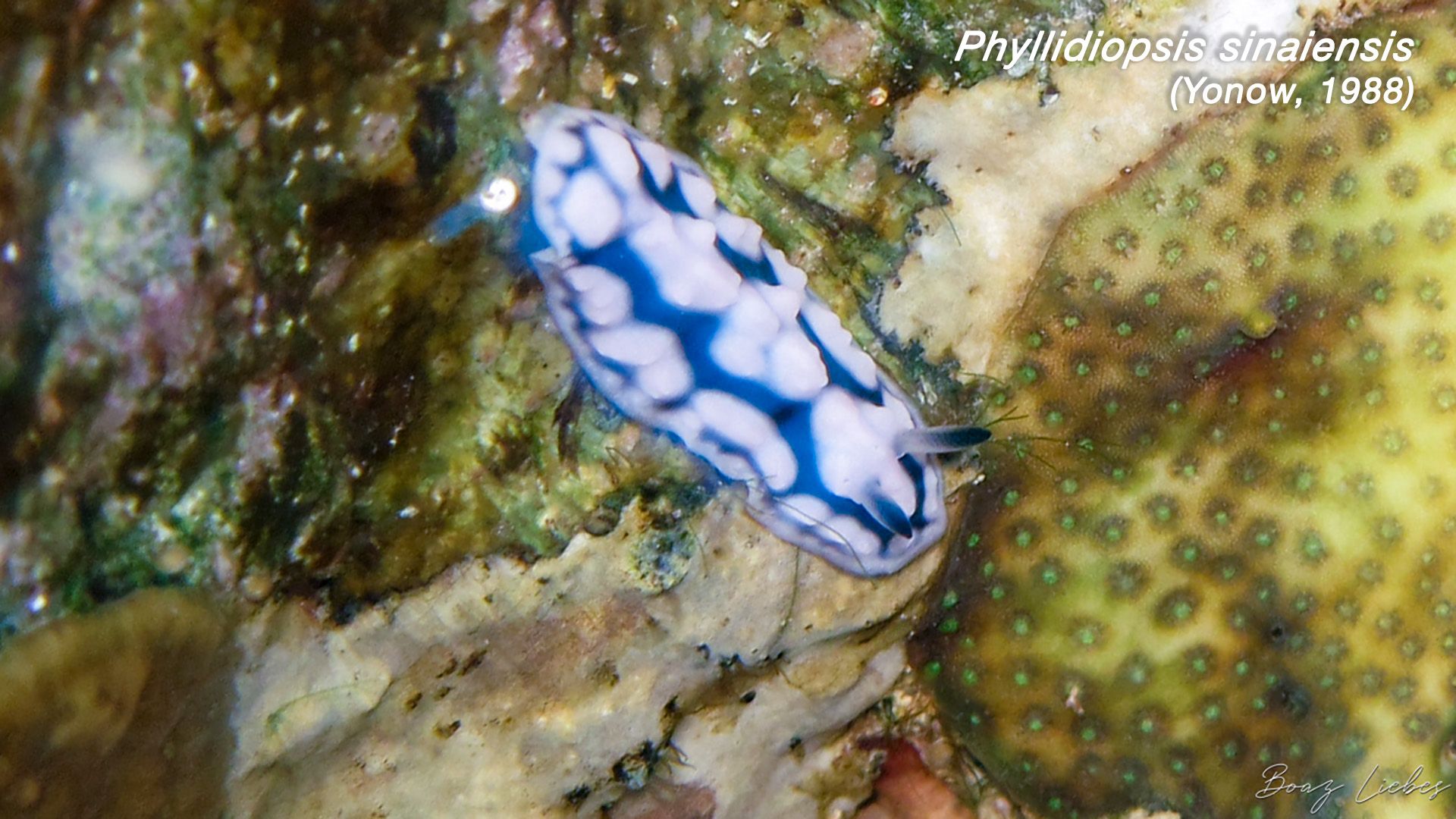
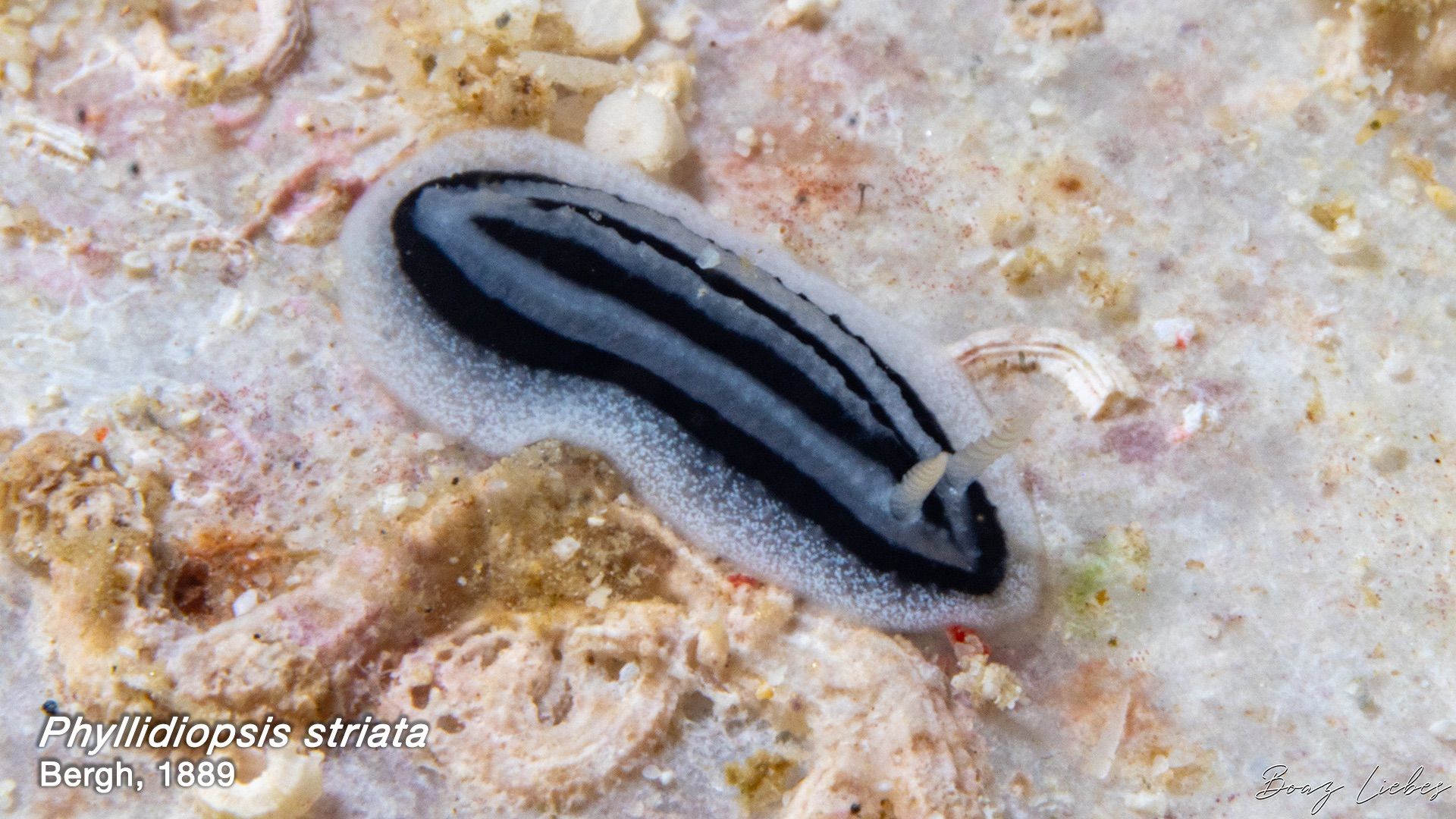
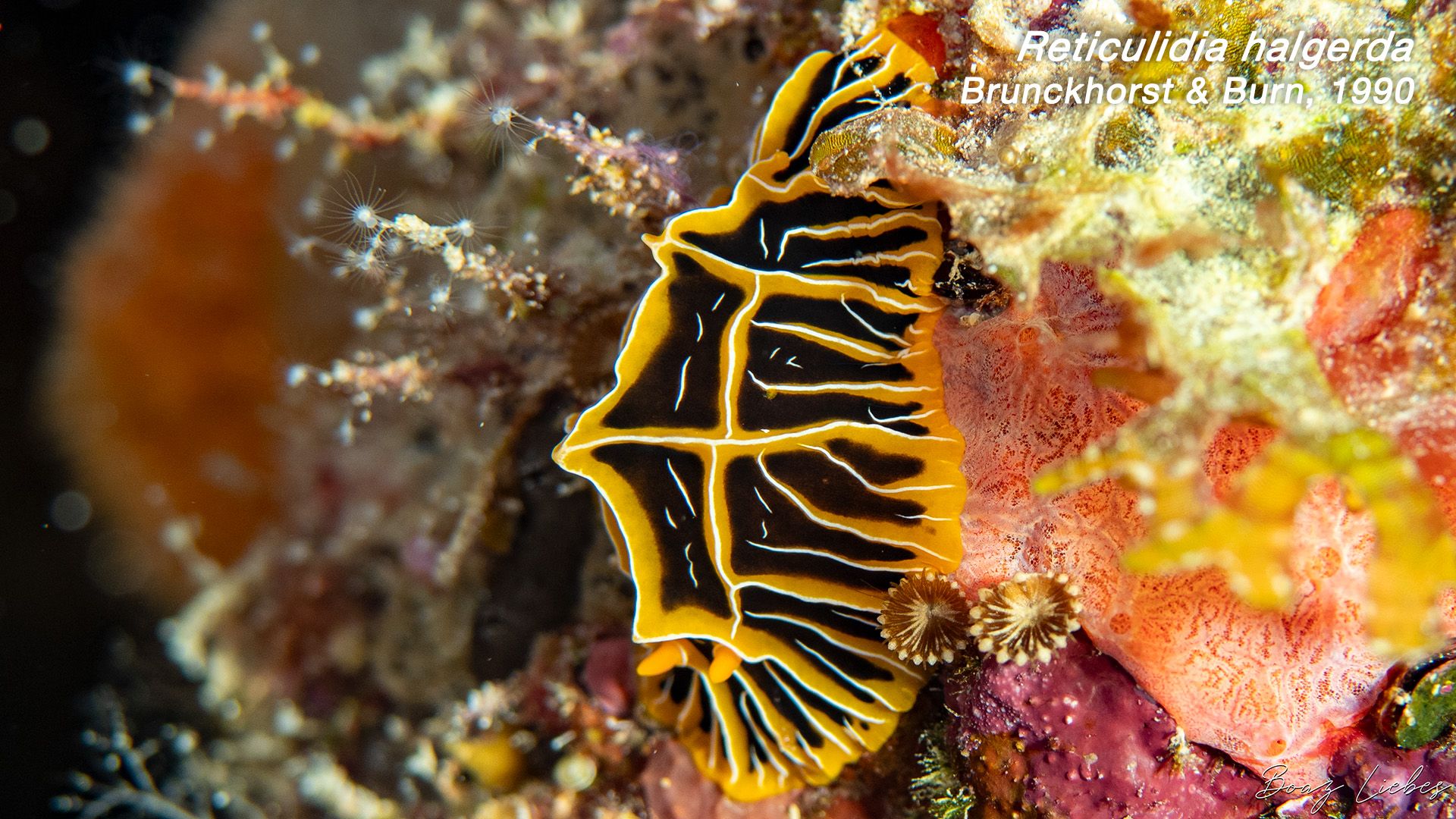
Phyllidiidae is a family of dorid nudibranchs (superfamily Phyllidioidea, suborder Doridina) with five genera: Phyllidia, Phyllidiella, Phyllidiopsis, Reticulidia and Ceratophyllidia. It is most diverse on coral reefs of the Indo-West Pacific, including the Red Sea, where phyllidiids are among the most frequently seen nudibranchs, with a few species elsewhere such as Phyllidia flava in the Mediterranean. They lack a radula and feed on sponges by everting the pharynx and digesting the tissue externally. Their skin contains distasteful compounds, often derived from sponges, that deter predators.
Phyllidiids have a firm, leathery, almost rigid mantle covered in tubercles or ridges, usually in bold combinations of black, white, blue, yellow or pink. There is no gill cluster on the back: the gills are rows of leaflets hidden in the groove between the mantle and the foot. Only the lamellate rhinophores, which retract into pockets, protrude from the top, so the lack of visible dorsal gills plus the hard tuberculate mantle quickly separates them from other reef dorids.
Share link: https://seaslugs.org.il/family/Phyllidiidae/